Blog

  • 12 Minimalist Living Room Design Ideas for a Clutter-Free Home

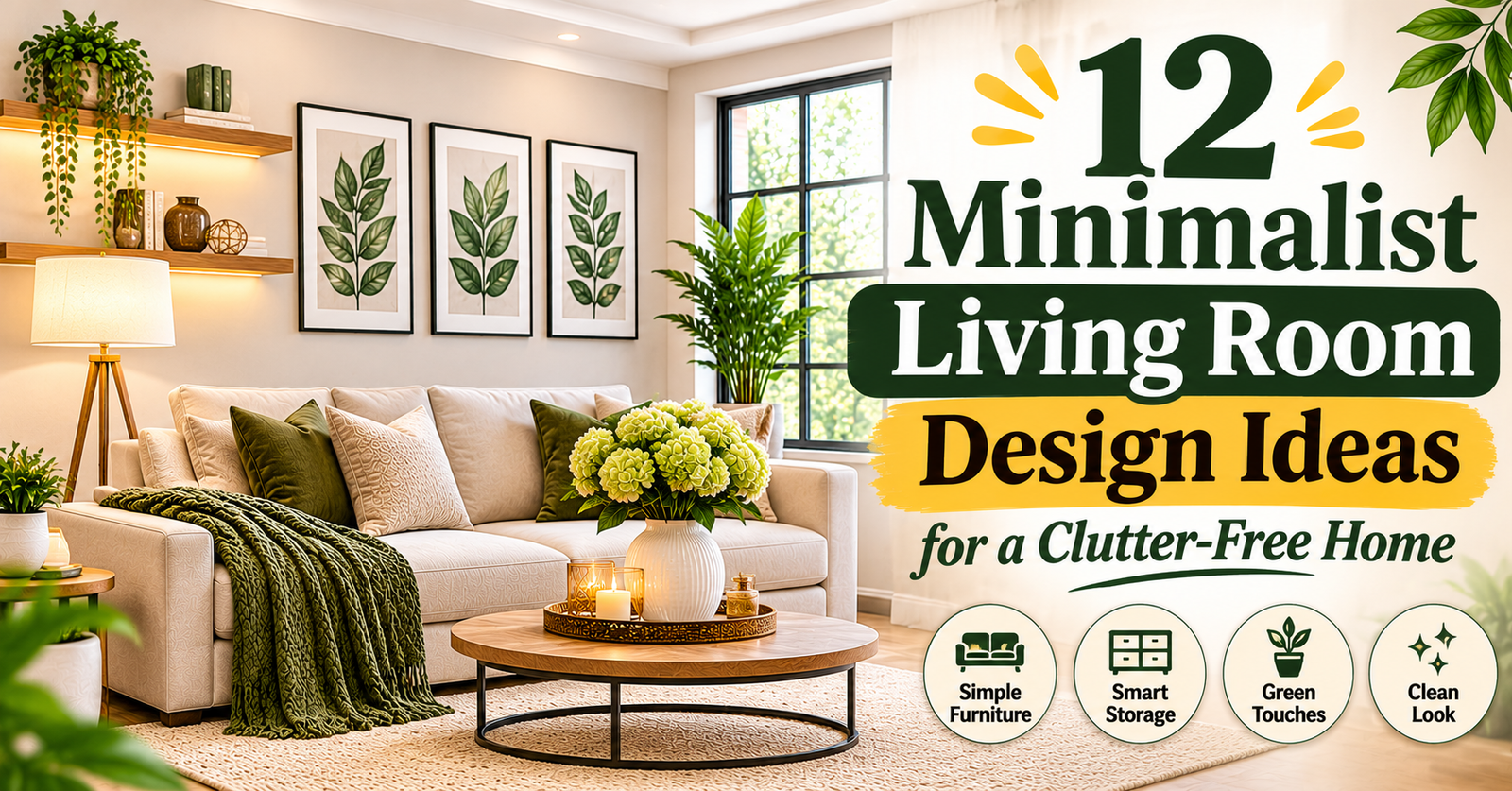
    12 Minimalist Living Room Design Ideas for a Clutter-Free Home

    I used to think minimalism meant white walls, a single chair, and a vague feeling of being in a dentist’s waiting room. Then I spent a few years helping friends and family pare back their homes, and my view changed. Good minimalism isn’t about owning less for its own sake. It’s about keeping what you use and love, and giving everything else room to disappear.

    The living room is usually where this matters most, since it’s where the mail, the remotes, the kids’ toys, and the half-read books all end up. Here are twelve ideas that actually hold up in daily life.

    1. Edit Before You Decorate
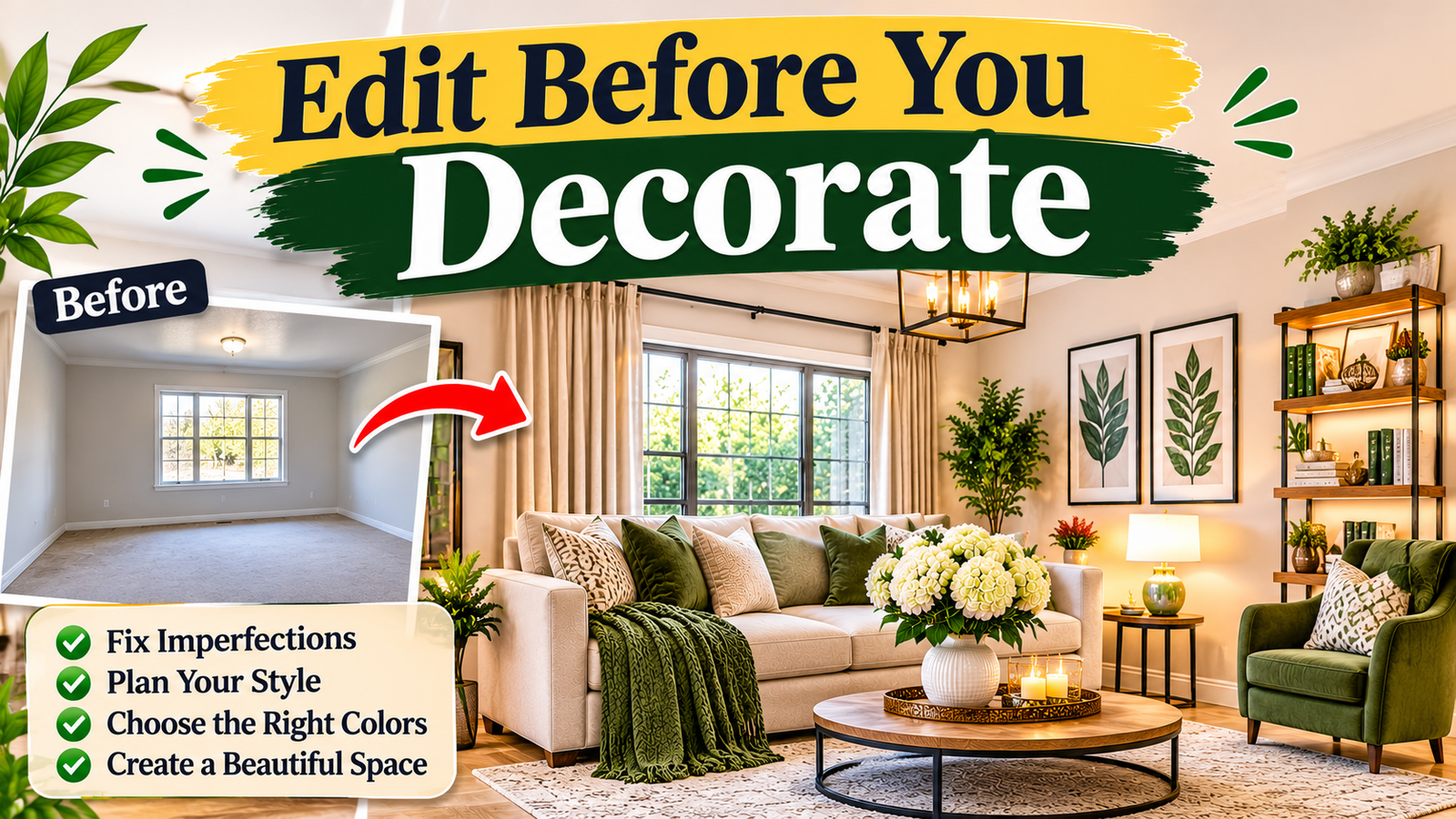
    The biggest mistake is shopping for storage before sorting what you own. Start by clearing every surface and shelf. Put things back one at a time, and ask whether each item is used, loved, or both. If it’s neither, it goes. Most people find they can remove a third of what’s out without missing it. This single step does more than any piece of furniture.

    2. Choose a Calm, Limited Palette

    Stick to two or three colors, ideally soft ones: warm white, sand, light gray, pale oak. A restrained palette quiets visual noise, so even a few objects on display look deliberate. If pure white feels cold to you, go for creamy off-whites with a hint of warmth. Minimalism doesn’t have to feel sterile.

    3. Pick Fewer, Better Furniture Pieces

    A minimalist room usually has a sofa, one or two chairs, a low table, and perhaps a media console. That’s it. Because there are fewer items, quality matters more. A well-built sofa with clean lines and durable fabric beats three cheaper pieces that look tired in two years. Slim legs and simple shapes keep the room feeling open.

    4. Hide What You Can’t Display

    Not everything is beautiful, and that’s fine. Closed storage, like a sideboard with doors or a bench with a lift-up lid, tucks away chargers, board games, and blankets. Open shelving looks lovely in photos but demands constant tidying. If you’re honest about your habits, closed storage is the more realistic choice for most households.

    5. Tame the Cables

    Nothing undermines a clean room like a tangle of cords behind the TV. Use cable raceways, a cord box, or a media console with a cutout at the back. Wall-mounting the TV and running cables through a slim channel makes a surprising difference. It’s a small job, and I’ve never regretted doing it.

    6. Let One Piece Be the Star

    Minimalist rooms work best with a single focal point: a large piece of art, a handsome fireplace, a sculptural lamp, or a big window with a view. When everything else is quiet, the eye knows where to rest. Don’t try to give every corner a statement.

    7. Keep Surfaces Mostly Clear

    The coffee table, side tables, and shelves are where clutter breeds. A good rule is to leave at least half of each surface empty. A coffee table might hold a tray with one book and a candle, nothing more. Odd-numbered groupings of two or three objects tend to look natural rather than staged.

    8. Use Natural Light and Soft Layers

    Heavy drapes crowd a minimalist room. Sheer linen curtains or simple roller shades let daylight in and keep sightlines clean. For evenings, add a floor lamp and a table lamp with warm bulbs so the space feels cozy rather than stark. Lighting is often the difference between “minimal” and “empty.”

    9. Bring in Texture to Avoid Coldness
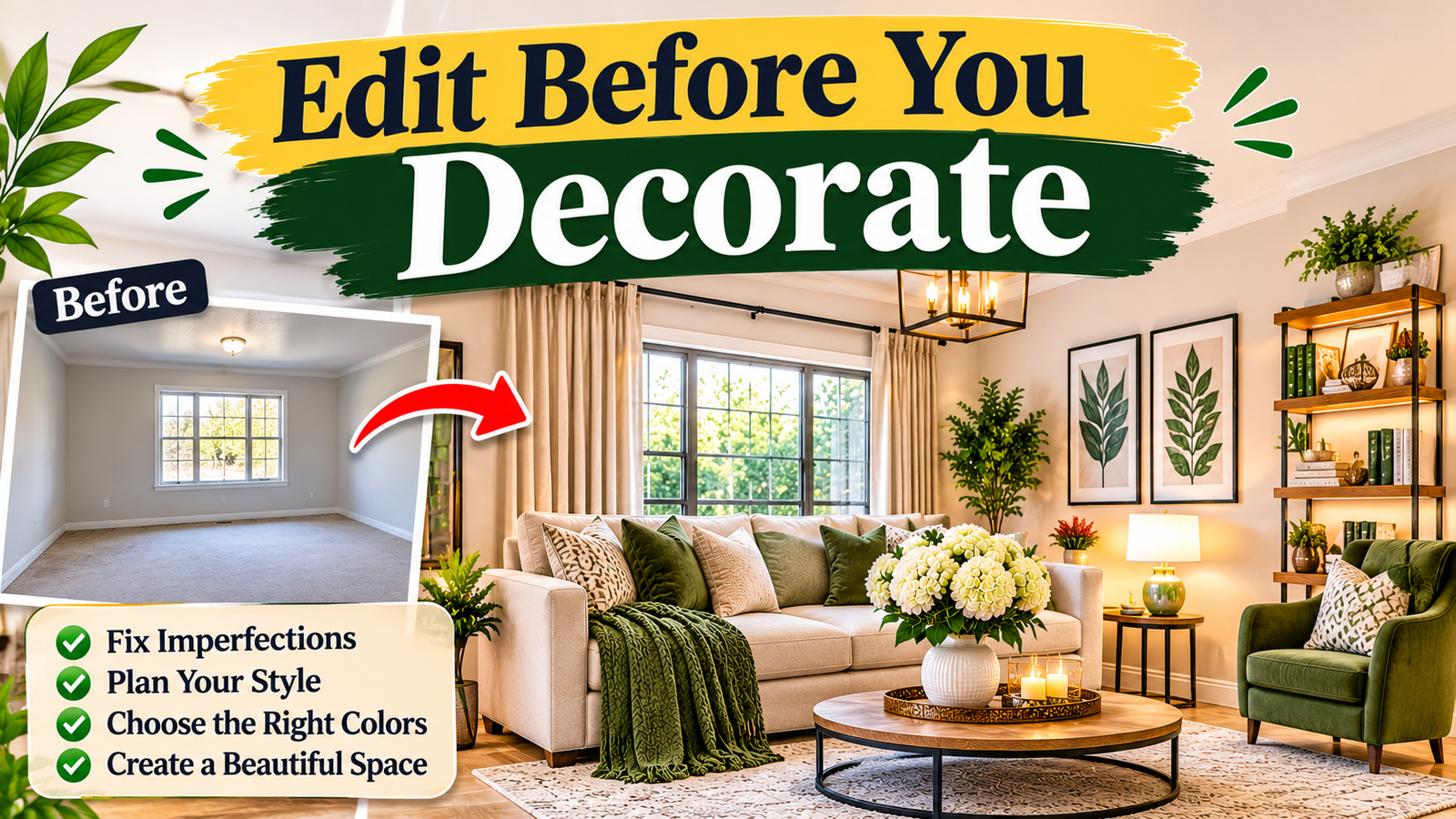
    Without color or pattern, texture carries the room. A chunky wool throw, a jute rug, a linen cushion, a ceramic vase with an uneven glaze: each adds warmth. I’ve walked into minimalist rooms that felt like showrooms and others that felt like sanctuaries, and the difference was almost always texture.

    10. Add One or Two Plants

    Greenery softens hard lines and brings the room to life. A single large plant, such as a rubber plant or olive tree, often looks better than a crowd of small pots. Choose something you can keep alive. A struggling plant adds stress, not calm.

    11. Respect Empty Space

    Negative space isn’t wasted space. Leave walls bare, leave a corner open, and resist the urge to fill every gap. If you feel uncomfortable, that’s normal. Most of us are used to filled rooms. Give the emptiness a few weeks before deciding you need something there.

    12. Build a Daily Reset Habit

    This last idea matters more than any purchase. A minimalist room stays that way only if you maintain it. Spend five minutes each evening returning items to their homes. Give every object a designated spot, such as a basket for blankets, a drawer for remotes, a tray for mail. Without the habit, even the most beautifully designed room slides back into clutter.

    A Realistic Note on Minimalism

    Minimalism looks different in a studio apartment than in a house with three kids and a dog. If you have young children, you won’t have a toy-free living room, and that’s okay. A lidded basket and a rule that toys go back at bedtime can keep things calm without pretending they don’t exist.

    Also, be wary of the purchase trap: buying lots of minimalist products to achieve the look defeats the purpose. Use what you already have first. And don’t throw out sentimental items just to match a style. A home should reflect the people living in it, not a catalog.

    Final Thoughts

    A clutter-free living room comes from a few simple decisions made consistently: own less, store smartly, choose quality, and leave room to breathe. Start with one surface this weekend, then move on to the next. Small, steady changes will serve you better than a dramatic overhaul you can’t sustain.

    FAQs

    Q: What is a minimalist living room?
    A: It’s a room with only essential, well-chosen furniture and decor, a restrained color palette, and plenty of open space.

    Q: How do I make a minimalist living room feel warm?
    A: Use warm lighting, natural textures like wool, linen, and wood, and soft neutral colors instead of stark white.

    Q: How much furniture should a minimalist living room have?
    A: Usually a sofa, one or two chairs, a coffee table, and a storage piece. Add only what you genuinely use.

    Q: Can I be minimalist with kids or pets?
    A: Yes. Use closed storage, washable fabrics, and a daily tidy routine. It won’t look like a magazine, but it can stay calm.

    Q: Is minimalism expensive?
    A: Not necessarily. It often costs less because you buy fewer items. Invest in the few big pieces and use what you own for the rest.
  • 15 Neutral Living Room Decor Ideas for a Timeless Look

    15 Neutral Living Room Decor Ideas for a Timeless Look

    Every few years, a trend arrives that people swear will define the decade. Think of the all-gray phase, or the millennial pink moment. A few years later, those rooms look dated. Neutral living rooms are the exception. A well-made neutral space looks as good in ten years as it does today, and it’s easier to adapt when your taste changes.

    Neutral doesn’t mean boring, though, and it definitely doesn’t mean beige on beige. The rooms that hold up best are layered, textured, and a little imperfect. Here are fifteen ideas I keep returning to.

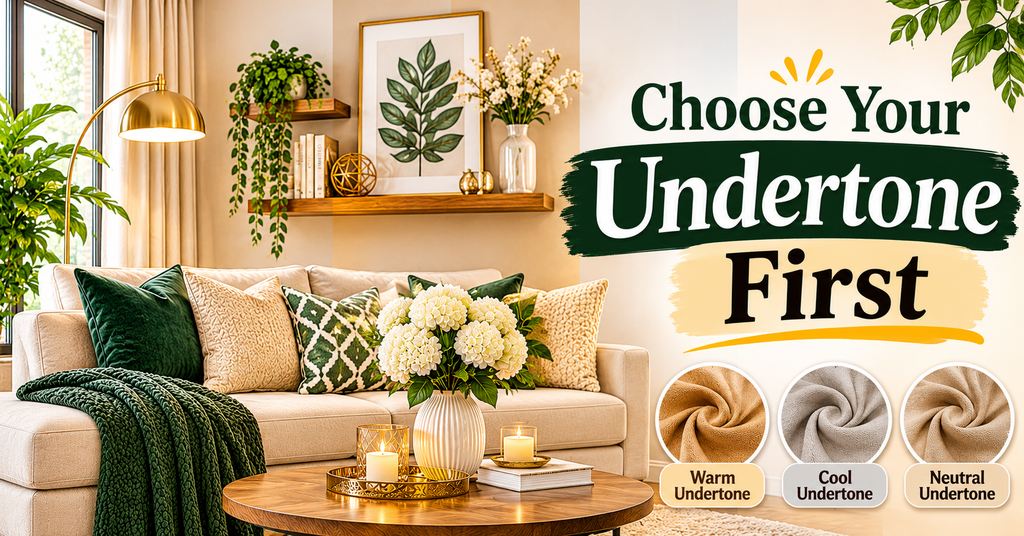
    1. Choose Your Undertone First

    Before you buy anything, decide whether your neutrals lean warm (cream, sand, oatmeal) or cool (soft gray, stone, bone). Mixing undertones is where most “off” looking rooms go wrong. Hold paint swatches next to your flooring and sofa in daylight and in the evening. The same white can look yellow at 6 p.m.

    2. Build a Layered Palette

    Use three or four neutrals at different depths: a light wall color, a mid-tone sofa, and a darker accent like charcoal or walnut. That contrast keeps a monochrome room from looking flat.

    3. Invest in a Quality Sofa

    A classic silhouette, such as a track arm or a slightly rolled arm in a performance linen or cotton blend, outlasts trends. Spend the most here, since the sofa anchors everything else. A removable, washable cover is worth paying extra for.

    4. Let Texture Do the Heavy Lifting

    When color is quiet, texture speaks. Combine bouclé, nubby wool, linen, leather, and woven jute. Different surfaces catch light differently, which gives the room depth without adding a single bright color.

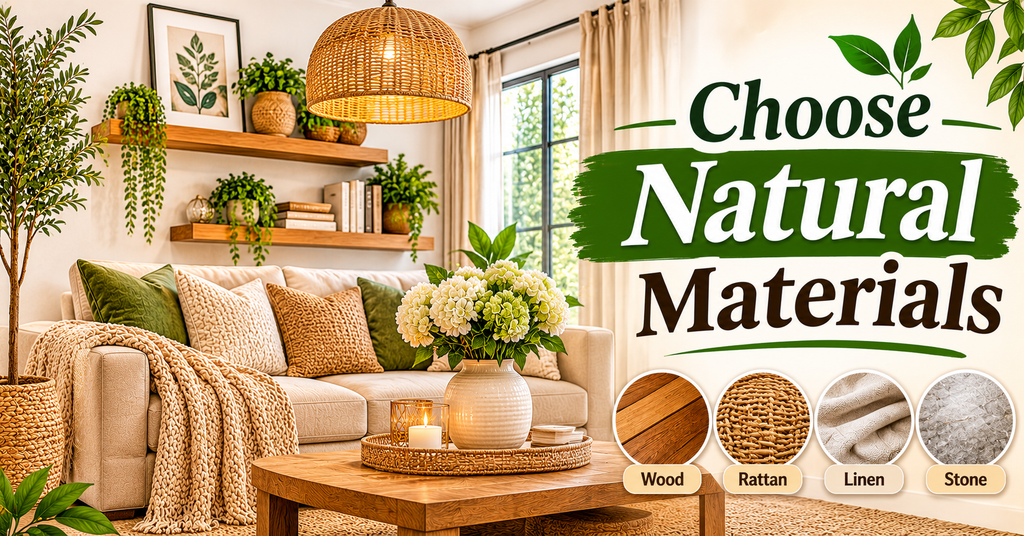
    5. Choose Natural Materials

    Wood, stone, rattan, wool, and ceramics age gracefully. A worn oak coffee table with a few rings on it feels more timeless than glossy lacquer, which shows every scratch.

    6. Go Easy on Pattern

    Neutral rooms still benefit from a bit of pattern: a subtle stripe, a herringbone throw, a tonal geometric rug. Keep it low contrast and vary the scale so nothing competes.

    7. Select a Large Area Rug

    A generous wool rug in a flat weave or soft low pile grounds the seating area. Pick one in a tone slightly different from your sofa so the furniture doesn’t disappear into it.

    8. Layer Your Lighting

    Warm bulbs (around 2700K), a floor lamp, and a pair of table lamps beat a single overhead light every time. Linen or paper shades diffuse light softly, which flatters neutral walls in the evening.

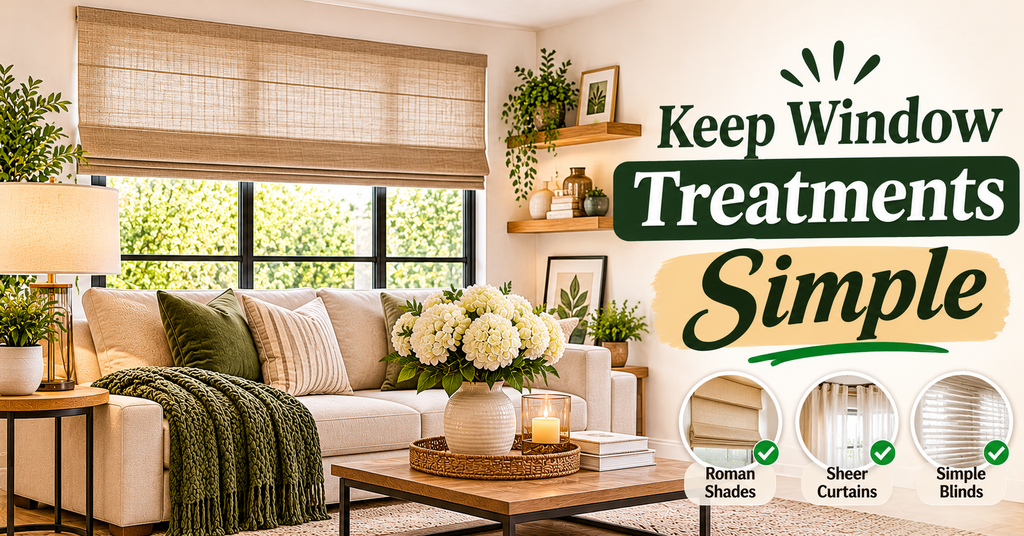
    9. Keep Window Treatments Simple

    Floor-length linen curtains in white, oatmeal, or soft taupe, hung high and wide, are classic for a reason. They frame the window without fussing and let daylight through gently.

    10. Add Black in Small Doses

    A black picture frame, a metal lamp base, or a slim iron table gives a neutral room definition. It acts like punctuation. Use it three or four times around the room, not more.

    11. Bring in Greenery

    Plants provide the one color that never clashes. A fiddle leaf fig, olive tree, or even a simple vase of eucalyptus brings life to a quiet palette. I’d rather see one healthy plant than five struggling ones.

    12. Curate Art With Intention

    Choose a few meaningful pieces: black-and-white photography, abstract work in muted tones, or a vintage landscape. Large, simply framed art beats a crowded gallery wall in a calm space.

    13. Mix Old and New

    A thrifted wooden stool, an antique mirror, or a vintage rug keeps the room from looking like a showroom. Nothing says timeless like objects that have already survived a few decades.

    14. Style Surfaces Sparingly

    Cluster accessories in odd numbers, such as a stack of books, a candle, and a small bowl, and leave open space around them. Clear surfaces make a neutral room feel serene instead of staged.

    15. Add Personal Touches Slowly

    Family photos, travel finds, and handmade ceramics make the room yours. Wait until you actually need or love something. The best neutral rooms feel collected over time.

    Honest Pros and Cons

    Neutral schemes are flexible and calm, and they make resale easier. But they do have drawbacks. Light fabrics show stains, and a room without any contrast can feel sterile. If you have kids or pets, go for performance fabrics and slightly deeper tones like mushroom or greige rather than pure white. And if you crave color, treat neutrals as a backdrop and rotate in cushions or art seasonally. You don’t have to commit to a total color-free life.

    Final Thoughts

    A timeless living room isn’t about following a rulebook. It’s about restraint, quality, and comfort. Start with a good sofa, warm lighting, and a thoughtful palette. Then let texture, natural materials, and a few personal pieces fill in the story.

    FAQs

    Q: What colors count as neutral for a living room?
    A: White, cream, beige, taupe, gray, greige, black, and natural wood tones are the most common.

    Q: How do I keep a neutral living room from looking boring?
    A: Layer textures, vary the shades, add plants, and include a few black or darker accents for contrast.

    Q: Are gray living rooms still in style?
    A: Warmer grays and greige are holding up well. Cool, flat grays feel more dated, so pair them with warm wood and textiles.

    Q: What’s the best neutral paint color for a living room?
    A: Soft warm whites and light greige are reliable. Always test large swatches in your own lighting first.

    Q: Can I add color to a neutral living room?
    A: Yes. Use cushions, throws, art, or plants so the color is easy to change later.

  • 12 Cozy Living Room Ideas for Small Spaces

    12 Cozy Living Room Ideas for Small Spaces

    A small living room has a way of humbling you. You buy the sofa you love, then discover it swallows the whole wall. Still, small rooms have an advantage: cozy is much easier to achieve in 120 square feet than in 400. The trick is making the room feel layered and lived-in rather than crowded. These are the ideas I come back to most often, and they work in rentals, apartments, and older homes with awkward layouts.

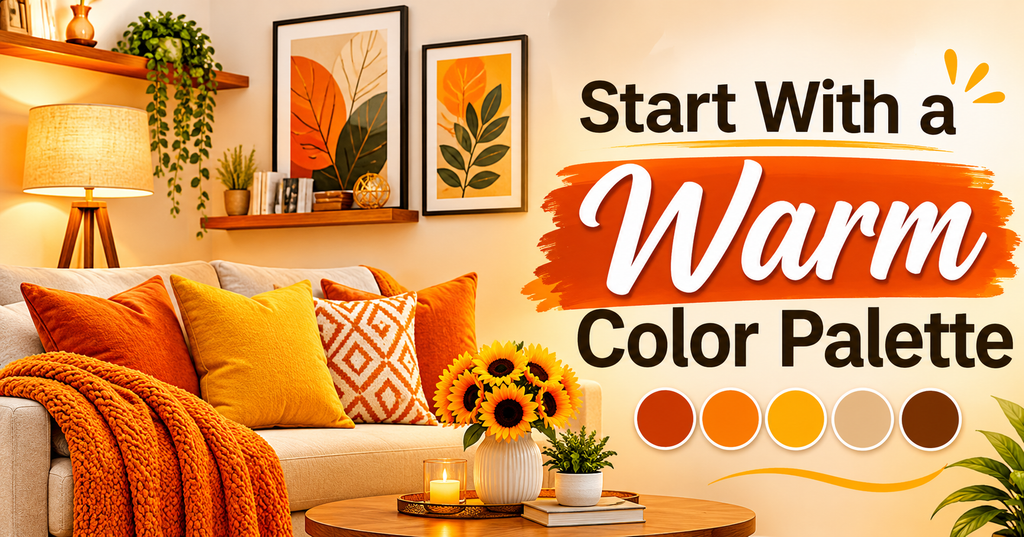
    1. Start With a Warm Color Palette

    Cool, stark whites can make a compact room feel clinical. Creamy off-whites, warm greige, soft terracotta, or muted sage feel inviting without shrinking the walls. If you love dark colors, try one deep wall, like forest green or charcoal, and keep the rest light. A dark wall tends to recede, which is why it can add depth.

    2. Swap Overhead Lighting for Layers

    Harsh ceiling lights are the fastest way to kill atmosphere. Use two or three lower light sources instead: a floor lamp in the corner, a table lamp on a shelf, maybe a plug-in wall sconce. Choose bulbs around 2700K for that soft, golden glow. Dimmable bulbs are cheap and make a bigger difference than most people expect.

    3. Choose a Sofa Scaled to the Room

    Bulky sectionals rarely work in small spaces. A compact two-seater or an apartment-sized sofa with slim arms and exposed legs lets light and floor show through, which keeps the room airy. Showing a bit of floor under furniture is one of those small tricks that genuinely changes how large a room feels.

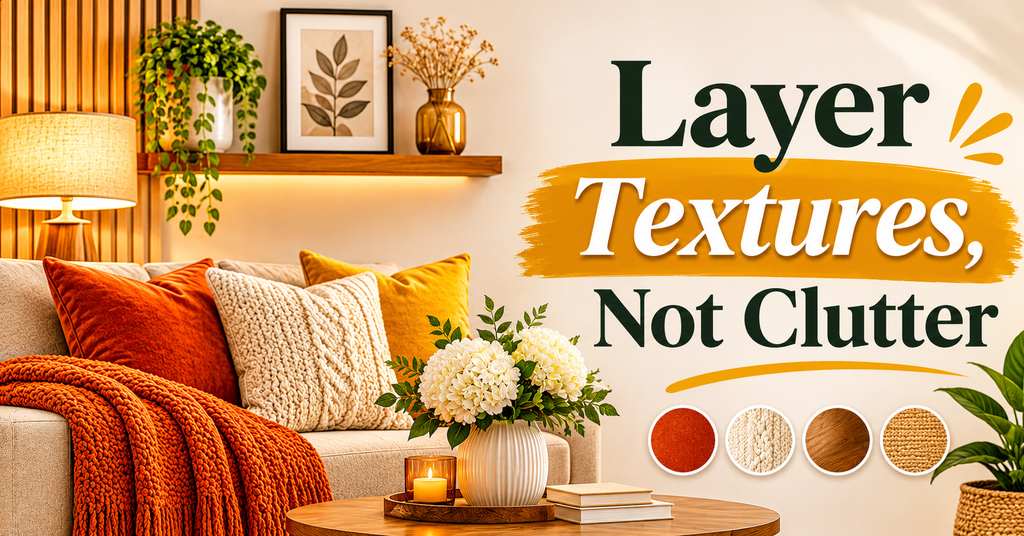
    4. Layer Textures, Not Clutter

    Coziness comes from touch as much as sight. Mix a chunky knit throw, linen cushions, a bouncy bouclé chair, and maybe a velvet pillow. Stick to a tight color range and let texture do the work. That way the room feels rich rather than busy.

    5. Use a Rug to Define the Space

    A rug that is too small looks like a postage stamp and makes the room feel choppy. Go bigger than you think you should, ideally with at least the front legs of your sofa and chairs resting on it. A low-pile neutral or softly patterned rug anchors the seating area and adds warmth underfoot.

    6. Go Vertical With Storage

    When floor space is limited, use the walls. Tall, narrow bookcases, wall-mounted shelves, and floating cabinets draw the eye upward and keep surfaces clear. Keep a few shelves styled with books, a plant, and one or two meaningful objects, and leave some gaps. Breathing room is part of the look.

    7. Pick Multi-Functional Furniture

    A storage ottoman can serve as a coffee table, extra seating, and a place to hide blankets and remotes. Nesting tables are another favorite because you can pull them apart when guests come over and tuck them away afterward. In small rooms, every piece should earn its place.

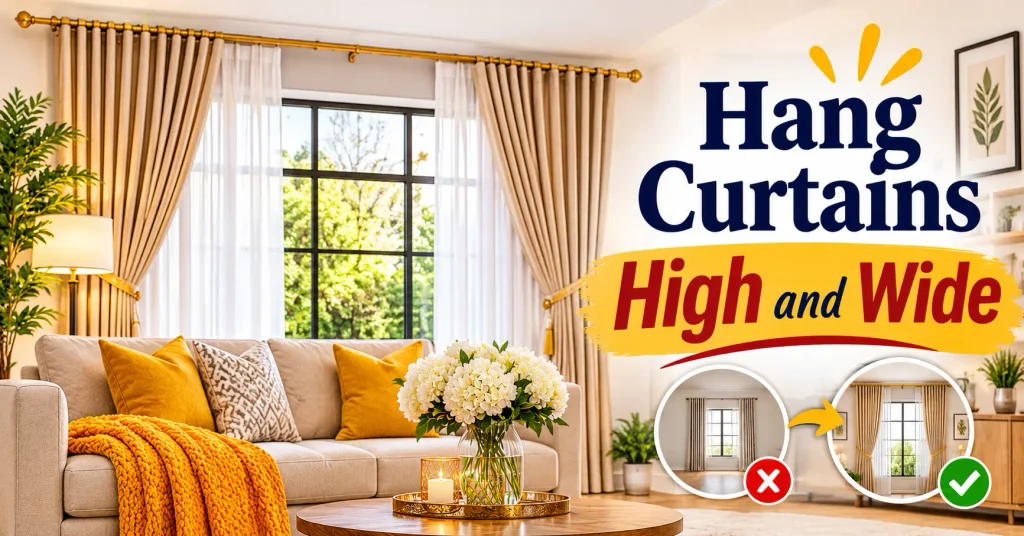
    8. Hang Curtains High and Wide

    Mounting the rod closer to the ceiling than the window frame makes the ceiling look taller. Let the panels extend past the window edges so the glass isn’t blocked when they’re open. Soft, lightweight fabrics like linen blends filter daylight beautifully and add instant softness.

    9. Use Mirrors Thoughtfully

    A large mirror opposite a window bounces light around and makes the space feel deeper. One word of caution: place it where it reflects something pleasant, like a plant, art, or a lamp, not a pile of clutter. A leaning floor mirror also adds a relaxed, effortless look.

    10. Bring in Plants and Natural Materials

    Greenery adds life, and you don’t need a jungle. A trailing pothos on a shelf, a snake plant by the sofa, or a small olive tree near the window is plenty. Add natural materials like wood, rattan, or stone for warmth. If you struggle to keep plants alive, high-quality faux ones are fine, though I’d always mix in at least one real plant for the freshness.

    11. Create a Focal Point

    Even in a tiny room, the eye needs somewhere to land. It could be a gallery wall, a statement piece of art, an electric fireplace, or a well-styled console. Having one clear focal point makes the whole room feel intentional rather than random.

    12. Add Scent and Soft Sound

    Cozy is a full-sensory experience. A candle with notes like cedar, vanilla, or fig, or a diffuser in the evening, shifts the mood immediately. Add a small speaker playing low music and you’ve changed the room without moving a single piece of furniture. Just keep fragrances light, since small rooms can feel overwhelming quickly, and never leave candles unattended.

    A Quick Reality Check

    Not every idea will suit every home. If you rent, skip the painting and rely on lighting, textiles, and rugs. If you have pets or kids, choose washable fabrics over delicate bouclé or light linen. And be honest about your habits: a stunning white sofa means little if you eat dinner on it every night. The most successful cozy rooms I’ve seen weren’t the most photogenic. They were the ones where the owners could actually relax.

    Final Thoughts

    A cozy small living room isn’t about buying more. It’s about choosing carefully, layering warmth, and leaving some space to breathe. Start with lighting and a good rug, since those two changes alone can transform a room. Then add texture, greenery, and personal touches slowly over time.

    FAQs

    Q: What color makes a small living room feel cozy?
    A:
    Warm neutrals like cream, beige, soft taupe, and muted earth tones work well. A single deep accent wall can add depth without making the room feel smaller.

    Q: How do I make a small living room look bigger and cozy?
    A:
    Use mirrors, light-colored walls, raised curtains, and furniture with visible legs. Layer in warm lighting and soft textures for comfort.

    Q: Is it okay to use dark colors in a small room?
    A: Yes, if done with care. Dark shades can feel enveloping and intimate, especially with good lighting and lighter accents to balance them.

    Q: What’s the best sofa size for a small living room?
    A: An apartment-sized sofa or loveseat, usually 60 to 72 inches wide, with slim arms. Measure your space and leave at least 30 inches of walking room.

    Q: Can I make my rental living room cozy without renovating?
    A: Absolutely. Focus on lamps, rugs, curtains, throws, plants, and removable wall art. These deliver most of the impact with no permanent changes.

  • 15 Small Living Room Decorating Ideas on a Budget

    15 Small Living Room Decorating Ideas on a Budget

    I have rearranged more tiny living rooms than I can count, my own included. And the thing nobody tells you at the start is that a small space rarely needs more money. It needs better decisions. A cramped room with a few smart choices will beat a cluttered one full of expensive furniture every single time.

    If you’re staring at a compact lounge and a modest budget, here are fifteen ideas that actually work, with the trade-offs I’ve seen along the way.

    1. Start by Editing, Not Buying

    Before spending a cent, take things out. Pull everything off surfaces, look at the bare room, and only put back what earns its place. Most small living rooms feel tight because of volume, not square footage. Decluttering is free, and it often delivers about half the transformation you were hoping to buy.

    2. Paint It Light (But Don’t Fear Colour)

    A fresh coat of soft white, warm greige, or pale sage opens a room up faster than almost anything else for under $50. Light colours bounce daylight around. That said, I’ve seen tiny rooms look wonderful in deep navy or forest green, because the walls disappear and the room feels cosy rather than small. If you go dark, commit to it and add good lighting.

    3. Hang Mirrors Where Light Lives

    Place a large mirror opposite a window, not just anywhere. It doubles the daylight and creates a sense of depth. Thrift shops and online marketplaces are full of solid-framed mirrors for a few dollars, and a can of spray paint can fix a dated frame in an afternoon.

    4. Choose Furniture With Legs

    Sofas, chairs, and tables raised on visible legs let your eye see the floor beneath them, which makes the room feel larger. Skip skirted or chunky, low-slung pieces. If your sofa is bulky and replacing it isn’t realistic, you can sometimes unscrew and swap the legs for slim ones, a cheap fix that changes the whole silhouette.

    5. Buy Smaller-Scale, Not Just “Less”

    A loveseat or a sofa with slim arms often serves a small room better than a full three-seater. Measure first. Tape the footprint on the floor with painter’s tape and live with it for a day. This one habit has saved my friends from more returned furniture than I can remember.

    6. Let Furniture Do Two Jobs

    A storage ottoman gives you seating, a footrest, and hidden space for blankets. A nesting table set can be tucked away when you aren’t using it. A narrow console behind the sofa becomes a desk, a bar, or a drop zone for keys. Multi-purpose pieces are the quiet heroes of budget decorating.

    7. Go Vertical

    When floor space is limited, use the walls. Floating shelves, a tall bookcase, or a ladder shelf pull the eye upward and give you storage without eating floor area. Hang curtains close to the ceiling rather than at the window frame; it makes ceilings look taller for the price of a longer rod.

    8. Layer Your Lighting

    One harsh overhead bulb makes any room feel like a waiting area. Add a floor lamp, a small table lamp, and maybe a plug-in wall sconce. Warm bulbs, around 2700K, create softness. Lighting is one of the cheapest ways to make a room feel considered rather than assembled.

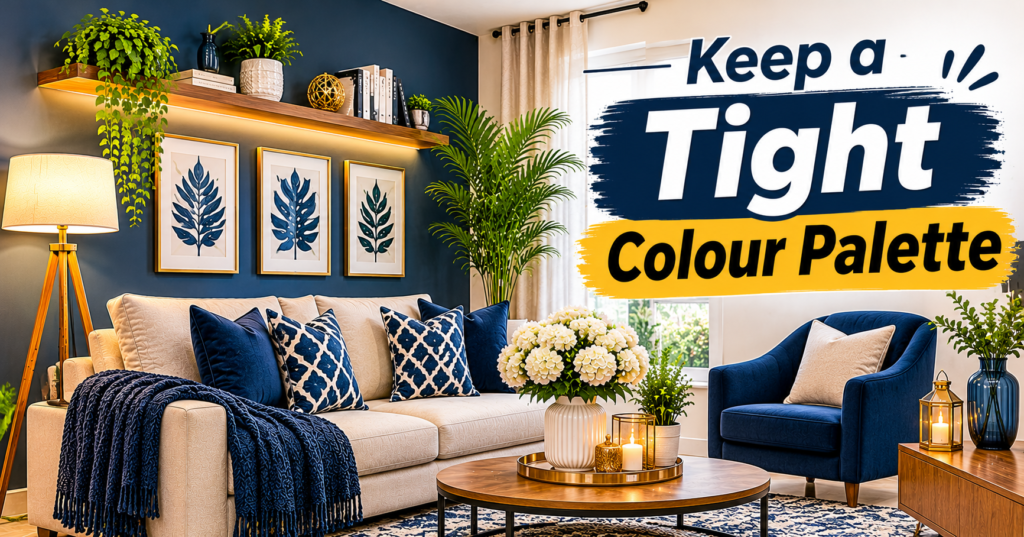
    9. Keep a Tight Colour Palette

    Stick to three or four colours across walls, textiles, and décor. A restrained palette reads as calm, and calm reads as spacious. Repeat one accent colour in two or three places, say a cushion, a print, and a vase, so the eye moves smoothly around the room.

    10. Use Rugs Thoughtfully

    A rug that’s too small makes furniture look like it’s floating. Ideally, at least the front legs of your sofa and chairs should sit on it. Large flat-weave or jute rugs are often affordable, and a clearance sale or secondhand listing can make them cheaper still. Avoid busy patterns if the room is very tight.

    11. Swap Heavy Curtains for Light Ones

    Thick, dark drapes can swallow a small room. Linen-look or cotton panels in a pale tone let light through and soften edges. Basic panels from big-box retailers are plenty good enough; just iron them, because wrinkles are what make cheap curtains look cheap.

    12. Shop Secondhand First

    Thrift stores, community marketplaces, and estate sales are where I find solid wood side tables, brass lamps, and framed art at a fraction of retail. Check for sturdy joints and avoid anything with a strong smell, because that’s hard to remove. A little sanding or paint can turn a tired find into something that looks deliberate.

    13. Create Zones, Even in One Room

    If your living room doubles as a workspace or dining nook, define each area with a rug, a lamp, or the angle of a chair. Floating the sofa slightly away from the wall to separate zones can feel counterintuitive, but it often makes a small space feel intentionally planned.

    14. Add Greenery and Texture

    A couple of plants, a woven basket, a chunky knit throw: these add warmth without taking much room. Pothos and snake plants are forgiving if you’re not naturally green-thumbed. Texture matters more than quantity, and it stops a pared-back room from feeling cold.

    15. Display Less, Display Better

    Finish by curating. One large print usually looks better than six small frames fighting for attention. Group a few objects in odd numbers on a tray, and leave breathing room around them. Empty space isn’t wasted space; it’s what makes everything else look good.

    A Realistic Example

    A colleague of mine recently reworked a 10-by-12-foot rental lounge for roughly $300. She removed a bulky bookshelf, painted one wall a soft warm white, added a secondhand mirror, swapped her curtains, and bought a single large rug. She kept her old sofa. The room looked bigger and calmer, and nothing she did was permanent, which matters if you rent.

    Limitations Worth Knowing

    Budget decorating has honest limits. Cheap flat-pack furniture may not survive years of use, and paint can’t fix poor layout or a lack of natural light. If you rent, check your lease before painting or drilling. And remember that trends shift, so choose pieces you’ll still like in two years rather than whatever is viral this month.

    FAQs

    Q: What colour makes a small living room look bigger?

    A: Light, warm neutrals such as soft white, cream, or pale grey reflect more light. Dark colours can also work if used boldly and paired with good lighting.

    Q: How can I add storage without losing floor space?

    A: Use wall shelves, storage ottomans, and tall, narrow bookcases. Going vertical keeps the floor open.

    Q: Is it better to buy new or secondhand furniture?

    A: Secondhand usually gives better quality per dollar. Buy new only for items you need to be fresh, such as mattresses or upholstered pieces you can’t inspect.

    Q: Should I push all furniture against the walls?

    A: Not necessarily. Pulling a sofa a few inches away from the wall or floating it can create better flow and define zones.

    Q: How much should I budget for a small living room refresh?

    A: Many people see a real difference with $200 to $500, focusing on paint, lighting, a rug, and a mirror.

    Q: Do mirrors really make a room look bigger?

    A: Yes, when placed to reflect natural light or a pleasant view. They add depth and brightness.

  • Modern Living Room Decor Ideas to Transform Your Space

    Modern Living Room Decor Ideas to Transform Your Space

    Meta Description: Looking for modern living room decor ideas to transform your space? Here are 8 easy, budget-friendly tricks with exact colors, sizes, and prices.

    Secondary keywords used: modern living room, living room decor ideas, small living room, cozy modern style

    You know that moment when you sit on your sofa and think, “Why does this room feel so flat?” You’ve got the furniture. You’ve got the TV. But something is off, and you can’t quite name it.

    I’ve been there more times than I can count, both in my own home and in clients’ homes. The good news is that modern living room decor ideas don’t need a big budget or a full makeover. Most of the time, it’s five or six small changes that add up to a room that finally feels finished.

    Here are the eight ideas I come back to again and again. Each one comes with exact colors, sizes, and prices so that you can start this weekend.

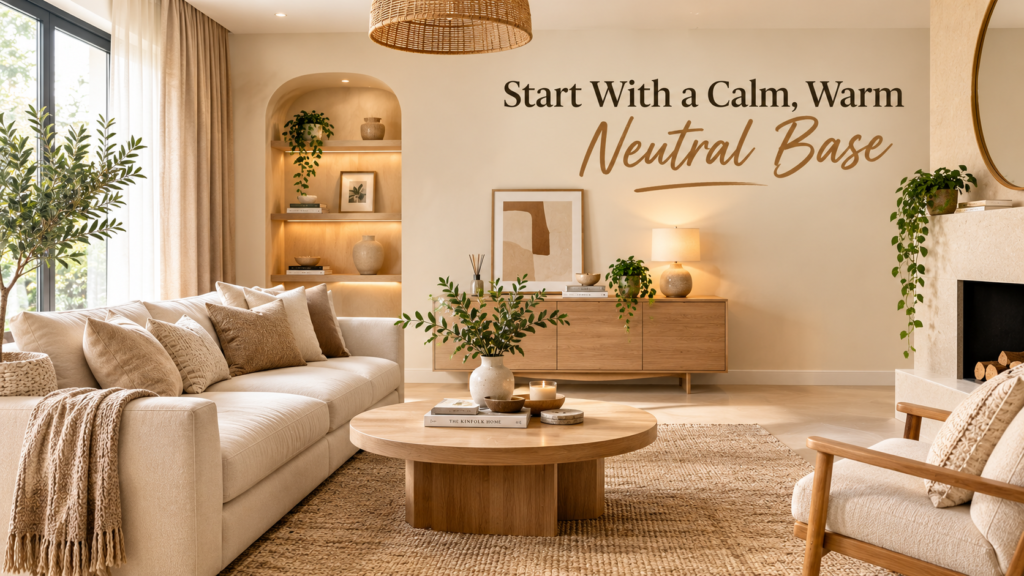
    1. Start With a Calm, Warm Neutral Base

    A modern living room works best when the walls and big pieces stay quiet. That quiet is what lets your accessories shine. Skip stark white. It can feel cold and show every shadow.

    Try a warm off-white like Benjamin Moore Swiss Coffee or Sherwin-Williams Alabaster instead.

    How to do it:

    • Paint the walls in a warm white or soft greige.
    • Keep your largest pieces, like the sofa and rug, in sand, oatmeal, or light gray.
    • Save bold color for small items you can swap later.

    Budget tip: A gallon of quality paint runs about $40 to $60 and covers roughly 350 square feet. It’s the cheapest big change you can make.

    Mistake to avoid: Choosing a paint from a tiny swatch. Paint a 2×2 foot sample on the wall and look at it in the morning and at night.

    2. Layer Textures So the Room Feels Cozy, Not Cold

    Modern doesn’t have to mean sterile. The secret to cozy modern style is texture. In my own living room, I once went all smooth surfaces: leather sofa, glass table, flat rug.

    It looked sharp in photos and felt like a waiting room in person. Adding a chunky knit throw and a linen pillow fixed it in ten minutes.

    How to do it:

    1. Put two 20×20 linen pillows in warm cream on either end of the sofa.
    2. Add one 22×22 pillow in a bouclé or velvet fabric in the center, in a deeper shade like terracotta or olive.
    3. Drape a chunky knit throw over one arm of the sofa, not the whole back.

    Budget tip: Pillow covers cost $8 to $15 each. Buy covers and reuse your old inserts.

    Mistake to avoid: Matching every fabric. Mix two or three textures in the same color family instead.

    3. Choose the Right Size Rug

    If you only fix one thing, fix this. A rug that’s too small makes the whole room look shrunken. For most seating areas, an 8×10 rug is the sweet spot.

    In a small living room, a 5×8 can work, but the front legs of your sofa and chairs should still sit on it.

    How to do it:

    • Measure your seating area with painter’s tape first.
    • Pick a low pile, flat weave, or short wool rug in a soft pattern like a subtle stripe or faded geometric.
    • Leave 12 to 18 inches of bare floor between the rug edge and the wall.

    Budget tip: Look at washable rugs. A good 8×10 often runs $150 to $300, much less than wool.

    Mistake to avoid: Floating a small rug in the middle of the room with no furniture touching it.

    4. Use Lighting in Three Layers

    Overhead light alone is harsh. Real modern living room decor ideas always include lamps. Think of lighting in three levels: ambient (ceiling), task (a reading lamp), and accent (a small table lamp or LED strip).

    How to do it:

    1. Swap harsh bulbs for warm white 2700K bulbs.
    2. Add a floor lamp with a slim black or brass arc next to the sofa.
    3. Place a small table lamp on a console or side table.

    Budget tip: A simple arc floor lamp costs $60 to $120. Thrifted ceramic lamp bases plus a new linen shade can run under $30.

    Mistake to avoid: Putting every lamp on the same side of the room. Spread them out so no corner stays dark.

    5. Build a Statement Wall Without Painting It Dark

    You don’t need dark navy paint to make a wall interesting. A gallery wall in matching black frames feels clean and modern. I’ve done this in three client homes, and it’s always the first thing guests notice.

    How to do it:

    • Choose 5 to 7 frames in the same color, in mixed sizes (8×10, 11×14, and one 16×20).
    • Lay them on the floor first and move them around.
    • Hang the center of the group about 57 inches from the floor, roughly eye level.
    • Keep 2 to 3 inches between frames.

    Budget tip: Print free landscape or abstract art at a photo shop for around $2 to $5 per print.

    Mistake to avoid: Hanging art too high. Hang it so it relates to the furniture below it, with about 6 to 8 inches above the sofa.

    6. Pick Furniture With Slim Legs and Clean Lines

    Furniture that sits off the floor makes a room feel lighter. This matters most in a small living room.

    Look for a sofa with tapered wood or metal legs, and a coffee table with open space underneath.

    How to do it:

    • Choose a sofa in a solid, muted color like warm gray, oatmeal, or deep green.
    • Use a round coffee table to soften sharp lines and make walking easier.
    • Keep at least 18 inches between the sofa and the coffee table.

    Budget tip: Buy a basic sofa and change the look with legs. Replacement tapered legs cost $20 to $40 for a set.

    Mistake to avoid: Pushing all furniture against the walls. Pull the sofa out a few inches to make the room feel intentional.

    7. Bring In Real Plants and Natural Wood

    Nothing makes a modern living room feel alive like greenery. A tall plant in the corner is the easiest way to add height and softness. I once killed three fiddle leaf figs before switching to a snake plant, and I’ve never looked back.

    How to do it:

    1. Put one large plant, like a snake plant or rubber plant, in a 12-inch ceramic pot near a window.
    2. Add a small trailing plant on a shelf or console.
    3. Include one natural wood piece, like a side table or tray, in oak or walnut.

    Budget tip: A snake plant costs $15 to $30 and survives low light and missed waterings.

    Mistake to avoid: Buying plants that don’t match your light. Check the tag before you buy.

    8. Style Your Surfaces With Less, Not More

    Clutter is the fastest way to ruin a modern room. The rule I use is simple: group in threes, and leave space.

    How to do it:

    • On the coffee table, place a stack of two books, a small candle, and a tray.
    • On a console, try one lamp, one vase with dried stems, and one small object.
    • Keep around 30 percent of every surface empty.

    Budget tip: Use things you already own, like old books turned spine out, and a candle from the dollar store in a nicer jar.

    Mistake to avoid: Lining everything up in a perfect row. Vary the heights instead.

    Quick Checklist for Your Weekend Makeover

    • Paint or choose a warm neutral base color
    • Add at least three textures (linen, knit, bouclé)
    • Measure and buy a rug that fits under the front legs of your furniture
    • Use warm 2700K bulbs and add two lamps
    • Hang a gallery wall at eye level
    • Pick furniture with visible legs
    • Add one large plant and one wood piece
    • Clear half of every surface

    FAQ

    Q: What colors work best for a modern living room?
    A: Warm whites, soft grays, greige, and sand are the safest base. Add one or two accent colors like olive green, terracotta, or deep navy in pillows and art.

    Q: How can I make a small living room look bigger?
    A: Use light wall colors, furniture with slim legs, and one large mirror across from a window. Keep floors and surfaces as clear as you can.

    Q: Is modern decor still cozy?
    A: Yes, if you layer textures and warm lighting. Soft fabrics, wood, and plants keep a modern space from feeling cold.

    Q: How much does it cost to update a living room?
    A: You can make a real difference for $200 to $500 with paint, pillow covers, a lamp, and some art. A rug and new furniture will raise the total.

    Conclusion

    You don’t need a huge budget or a designer to pull off modern living room decor ideas that feel like you. Start with one thing. Maybe it’s the rug, maybe it’s a lamp, maybe it’s finally clearing off that coffee table.Small steps add up faster than you think. 

    Take a photo of your room today, make one change, and compare it next week. You’ll be surprised.So tell me, which of these ideas are you trying first in your own living room?