Blog

  • Keep Window Treatments Simple

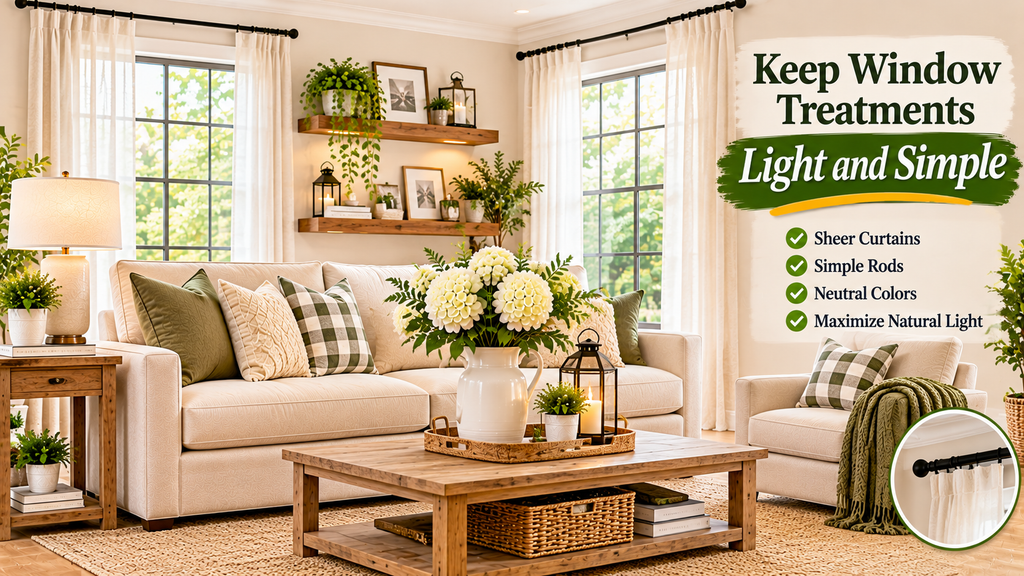
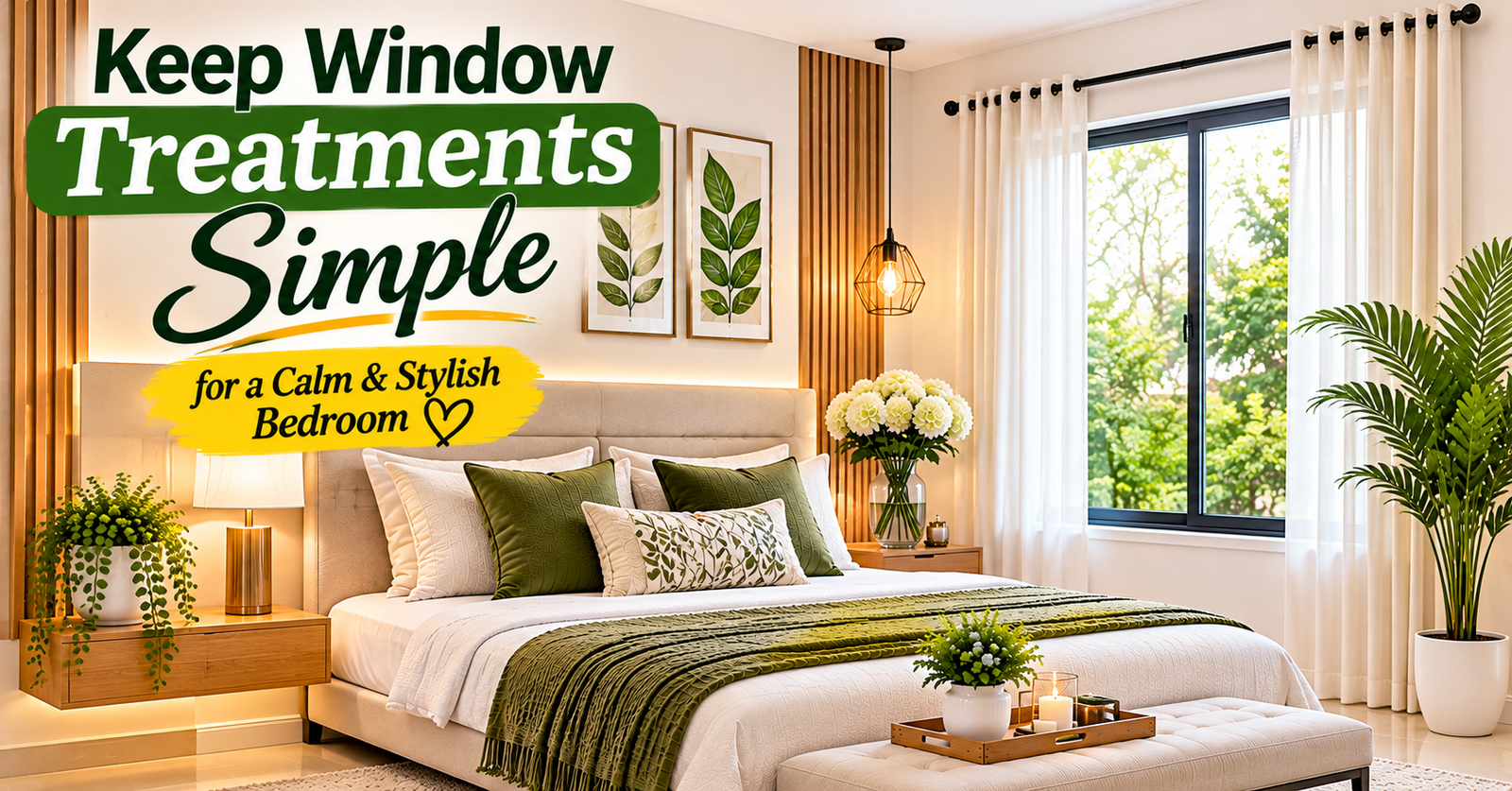
    Keep Window Treatments Simple

    Years ago I helped a friend move into a new apartment. By the end of the first weekend she had spent more on her windows than on her sofa. There were layered drapes a ruffled valance, a swag across the top and a set of heavy blinds underneath. It was a lot. The room which had lovely natural light when we arrived now felt like a theater stage in the middle of the afternoon.

    We took most of it down the following month. She kept one pair of plain linen panels and a simple roller shade. The room opened up, and she told me later it was the best design decision she made all year. That experience is why I tend to push people toward restraint at the window. Here’s the reasoning and how to do it well.

    Why Simple Works Better
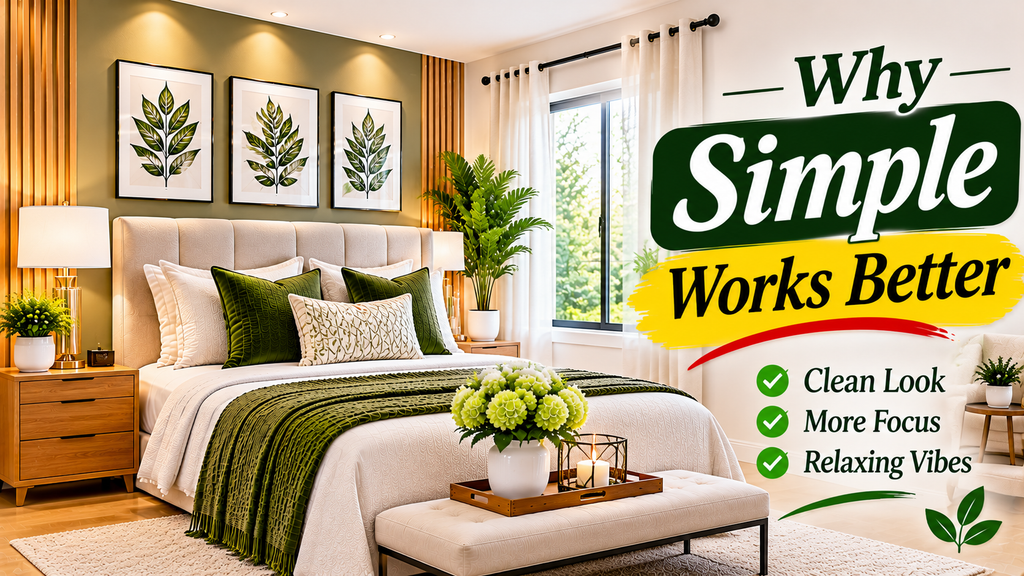
    A window is already a focal point. It brings in light a view and often the room’s most interesting architecture. Heavy or fussy treatments compete with that instead of supporting it. Simple treatments also age better. Elaborate valances tiebacks, and swags date a room quickly since they’re tied to a specific decade’s taste.

    Clean panels in a natural fabric look as appropriate now as they did twenty years ago, and they’ll still look fine twenty years from now. There’s a practical side too. Every layer is something to clean repair and eventually replace. Dust collects in pleats and folds.Complicated hardware breaks. Simple setups are easier to live with.

    Start With What the Window Needs to Do

    Before choosing anything decide what the window actually has to accomplish. In most homes it’s some combination of these:

    • Privacy, especially for street facing rooms and bathrooms
    • Light control, such as blackout for bedrooms or glare reduction for a TV room
    • Insulation, which matters in cold or very hot climates
    • Softness, since bare glass and hard surfaces can make a room echo

    Once you know the job you can usually do it with one or two elements rather than four. A living room might need nothing more than sheer to medium linen panels. A bedroom might need the same panels plus a blackout liner or a roller shade tucked behind them.

    Choose Natural, Lightweight Fabrics
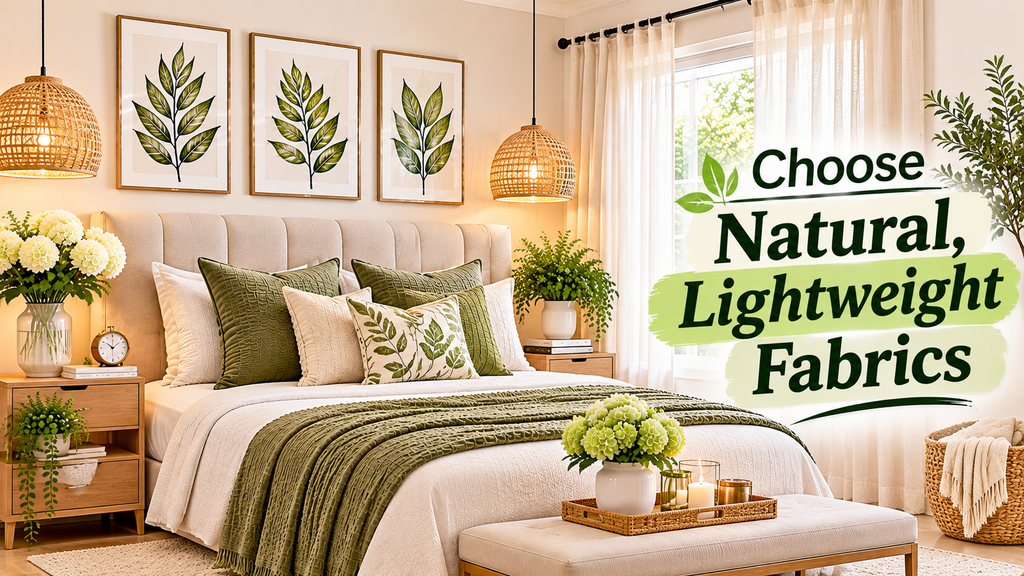
    Linen cotton and linen blends are my default recommendations. They drape softly filter light into a warm glow and look relaxed without looking careless. Heavier fabrics like velvet have their place particularly in drafty rooms or formal spaces but in most homes they can feel dense and close the room in.

    Color matters as much as fabric. White oatmeal soft taupe or a tone that matches your wall lets the curtains blend into the room instead of interrupting it. If you want contrast a deeper tone can work but keep it solid. Busy patterns at the window tend to dominate the whole space.

    Get the Hanging Right

    This is where simple treatments succeed or fail. A few details make an enormous difference:

    • Mount the rod high. Placing it close to the ceiling, or at least several inches above the window frame, draws the eye up and makes the ceiling look taller.
    • Extend it wide. Let the rod reach 8 to 12 inches past each side of the frame. When the curtains are open, they’ll stack beside the window rather than covering the glass.
    • Go to the floor. Panels should just skim the floor or hover about half an inch above it. Short curtains that stop at the sill can feel like an afterthought.
    • Use enough fabric. Panels that look thin and flat when closed are the biggest giveaway of a cheap setup. Aim for roughly one and a half to two times the width of the window.

    A budget curtain hung correctly looks better than an expensive one hung badly. I’ve seen it again and again.

    Pick One System, Maybe Two

    My rule of thumb is a maximum of two layers. Some good pairings:

    1. Linen curtains alone, which suits most living rooms and dining rooms
    2. Curtains over a simple roller or Roman shade, which suits bedrooms and home offices
    3. Sheer panels with a lined outer panel, which suits rooms that need flexibility between day and night
    4. A single woven or bamboo shade, which suits kitchens, sunrooms, and small windows

    Anything beyond two layers starts to look heavy and it makes the window harder to operate. If you find yourself wanting a third it’s worth asking what problem you’re really solving.

    Keep the Hardware Quiet

    Curtain rods and finials can quietly ruin a clean look. Choose a plain rod in matte black brushed brass or a finish that echoes other hardware in the room with simple end caps rather than decorative finials. In a minimalist or modern space a ceiling mounted track can look especially tidy since the curtains seem to emerge directly from the ceiling.

    Where Simple Has Limits
    I don’t want to oversell restraint. Simple isn’t automatically right for every situation. If you live on a busy street with no privacy thin linen alone won’t cut it, and you may need a lined layer or a shade. Shift workers and light sleepers often need genuine blackout, which can mean thicker fabric or specialized blinds. In very cold climates, insulated or thermal-lined curtains earn their weight.

    And in older homes with ornate molding or traditional proportions, slightly fuller, more formal treatments can feel more appropriate than a stark modern look. If you rent, you may be limited to tension rods or adhesive-mounted hardware, and you should check weight limits before trusting them with heavy fabric.

    Also be careful with corded blinds if you have young children or pets. Cordless options are safer. Simple means unfussy not underdressed. The goal is to match the treatment to the room, not to strip it down for its own sake.

    A Quick Real-World Test

    If you’re unsure try this. Take down everything except one layer of plain panels live with it for two weeks and notice what you actually miss. Most people don’t miss the valance or the extra swag. If you do find yourself needing something such as glare control or more privacy, add one element and stop there.

    Final Thoughts

    Window treatments should frame the view and soften the room not steal the show. A simple well hung pair of natural fabric panels often does more for a space than an elaborate layered arrangement. Choose lightweight fabrics hang them high and wide keep your hardware plain and layer only when your needs truly call for it. The room will feel lighter and so will your to do list.

    FAQs

    Q: What is the simplest window treatment to use?
    A: Floor length linen or cotton curtains on a plain rod are the easiest and most versatile option for most rooms.

    Q: How high should I hang curtains?
    A: Mount the rod close to the ceiling or several inches above the window frame to make the room feel taller.

    Q: How many layers of window treatments do I need?
    A: One or two is usually enough. A curtain and a simple shade covers privacy light control and softness for most homes.

    Q: What color curtains are best for a simple look?
    A: White cream oatmeal and soft taupe blend with most walls. Solid colors tend to look cleaner than busy patterns.

    Q: Are blinds or curtains simpler?
    A: Both can be simple. Curtains add softness and warmth while blinds and roller shades are more compact. Many people combine a plain shade with curtains.
  • 12 Modern Minimalist Bedroom Decor Ideas for a Peaceful Space

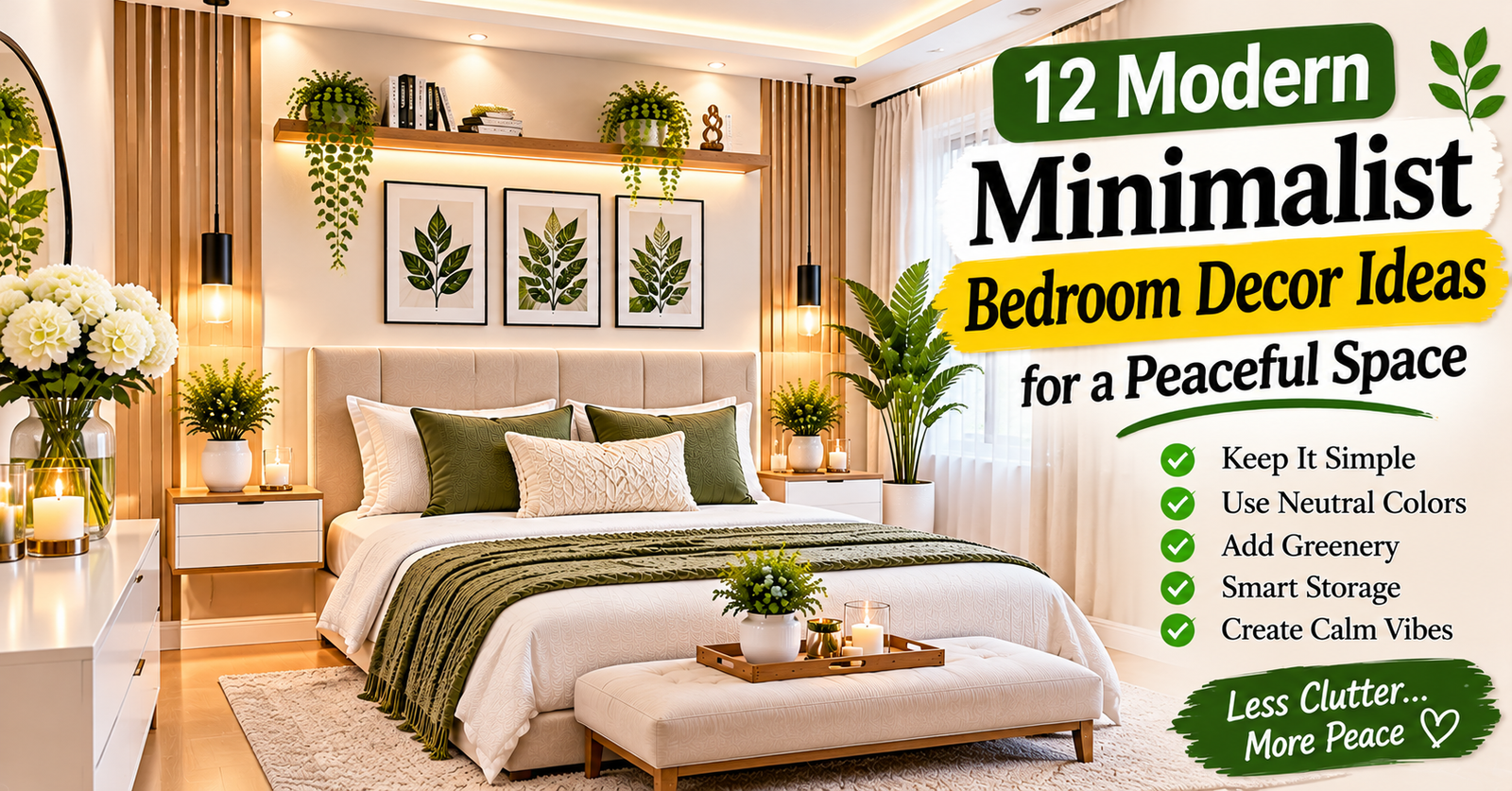
    12 Modern Minimalist Bedroom Decor Ideas for a Peaceful Space

    A few years ago I cleared my bedroom down to the essentials: a bed two nightstands, one dresser a lamp on each side. I expected it to look stark. Instead the first night felt like exhaling. There was nothing asking for my attention no pile on the chair no cluttered shelf catching my eye as I tried to fall asleep.

    That experience is the reason I’m convinced minimalism belongs in the bedroom more than anywhere else. Modern minimalism isn’t about deprivation or cold white boxes. It’s about intention: keeping what supports rest and letting everything else go. Here are twelve ideas that make it work in real homes.

    1. Start by Removing, Not Buying

    The most effective minimalist move costs nothing. Clear every surface then put back only what you use or truly love. Anything that doesn’t belong in a bedroom like work papers exercise equipment or stacks of mail finds a new home. Most people discover the room already looks calmer before they’ve bought a single item.

    2. Choose a Quiet Color Palette

    Stick to two or three tones: soft white warm greige pale sand or a muted gray green. Low contrast keeps the eye relaxed. If pure white feels clinical go for a creamy off white with a warm undertone. A single deeper shade perhaps charcoal or deep olive can anchor the room but use it sparingly and balance it with good lighting.

    3. Pick a Low-Profile Bed With Clean Lines

    A platform bed with a simple frame in wood upholstered linen or matte metal suits the style beautifully. Skip ornate headboards and heavy footboards. A low profile makes the ceiling feel higher and the room more open though be realistic if you have mobility concerns since very low beds are harder to get out of.

    4. Invest in Excellent Bedding

    In a pared-back room, bedding does the visual and sensory heavy lifting. Choose breathable cotton or washed linen in white oatmeal or stone and keep layers simple: a duvet a coverlet two or three pillows. A single textured throw at the foot adds warmth. Quality matters more than quantity here since you’ll notice every fiber.

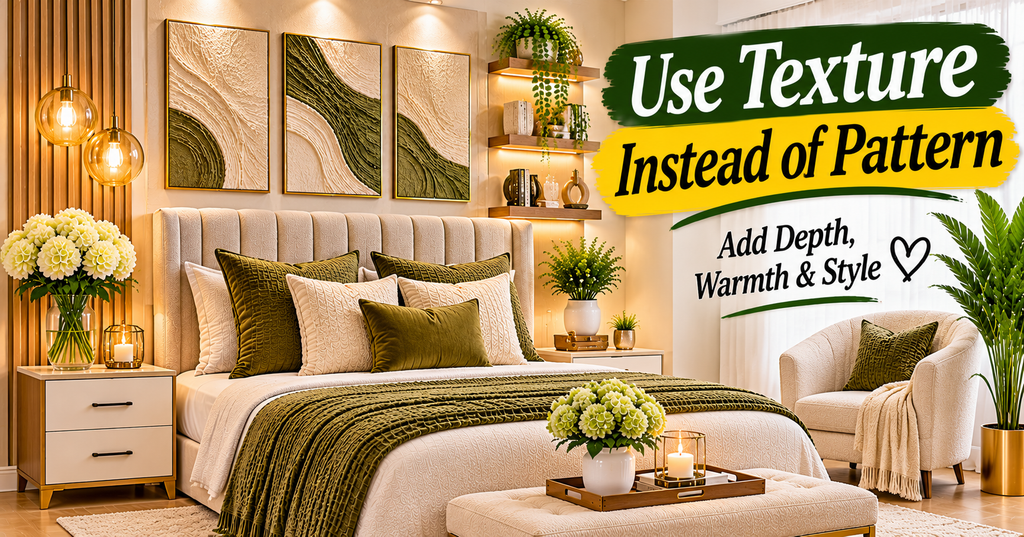
    5. Use Texture Instead of Pattern

    Minimalist doesn’t mean flat. A chunky knit blanket a bouclé accent chair a jute rug and linen curtains give the room richness without color or print. If a minimalist space feels cold the fix is almost always more texture not more objects.

    6. Keep Nightstands Simple and Functional

    A slim nightstand with a drawer lets you hide chargers, lip balm, and the odds and ends that otherwise sprawl across the top. Keep the surface to a lamp, a book, and maybe a small dish. Floating shelves or wall-mounted tables free up floor space and make cleaning easier.

    7. Hide Your Storage

    Closed storage is the secret behind most calm bedrooms. Built-in wardrobes, a dresser with flat-front drawers, or storage under the bed keep belongings out of sight. If open shelving appeals to you, limit it to a few intentional items. Be honest about your habits, too: open storage only works if you’re willing to keep it tidy.

    8. Layer Warm, Soft Lighting

    Minimalist rooms can feel stark in harsh light. Use warm bulbs around 2700K and spread the glow across bedside lamps a floor lamp, or a wall sconce. A dimmer helps you wind down in the evening. Paper linen or frosted glass shades diffuse light gently and look clean and uncluttered.

    9. Keep Window Treatments Simple

    Sheer linen curtains let in soft daylight, while a blackout liner or roller shade ensures darkness at night. Hang curtains close to the ceiling for height, and choose a tone that blends with the wall. Skip heavy valances and fussy trims, which clash with a minimalist aesthetic.

    10. Add One Meaningful Piece of Art

    A single large piece above the bed, such as an abstract print, a black-and-white photograph, or a quiet landscape, makes a stronger statement than a gallery wall. Choose something that calms you rather than something merely trendy. Leave generous empty wall space around it so it can breathe.

    11. Include a Touch of Greenery

    A single plant adds life to an otherwise spare room. A snake plant ZZ plant or small olive tree works well and tolerates modest light. Put it in a plain ceramic or stone pot. One plant cared for properly is better than a crowded windowsill.

    12. Build a Simple Evening Routine Into the Space

    Minimalism only lasts if the habits support it. Give everything a spot: a basket for laundry a hook for tomorrow’s outfit a drawer for devices. Spend five minutes each night resetting the room. It’s less about design and more about how you live in the design and it’s what keeps the space peaceful week after week.

    Honest Considerations

    Minimalism isn’t right for everyone. If you love collecting books plants or sentimental objects forcing yourself into an empty room may leave you feeling uncomfortable rather than calm. A better approach is to edit rather than eliminate: keep what you cherish but display it deliberately.

    If you share the room with a partner or kids, compromise on storage and surfaces so both people feel comfortable. And avoid the trap of buying new minimalist products to achieve the look. Use what you own first, and replace things only as they wear out.

    Also, remember that a peaceful bedroom isn’t only about looks. Sleep experts generally recommend a cool, dark, quiet room and keeping screens out of bed when possible. Decor helps, but habits matter just as much.

    Final Thoughts

    A modern minimalist bedroom is less about style rules and more about clarity: fewer objects, softer tones, richer textures, and good light. Begin with decluttering, then focus on bedding, lighting, and storage. Add only what supports rest. When the room asks nothing of you, it gives you space to actually recover.

    FAQs

    Q: What defines a modern minimalist bedroom?
    A: Simple furniture, a limited color palette, clean lines, concealed storage, and minimal decor, all focused on calm and function.

    Q: How do I make a minimalist bedroom feel cozy?
    A: Add warm lighting, layered bedding, natural textures like linen and wool, and a soft rug to keep the space inviting.

    Q: What colors work best for a minimalist bedroom?
    A: Soft whites, warm greige, sand, pale gray, and muted green tones create a calm, low-contrast backdrop.

    Q: How much furniture should a minimalist bedroom have?
    A: Typically a bed, one or two nightstands, and a dresser or wardrobe. Add more only if you genuinely need it.

    Q: Can a minimalist bedroom work in a small space?
    A: Yes. Minimalism suits small rooms well because fewer items and clear surfaces make the space feel larger.

  • 15 Small Bedroom Design Ideas on a Budget

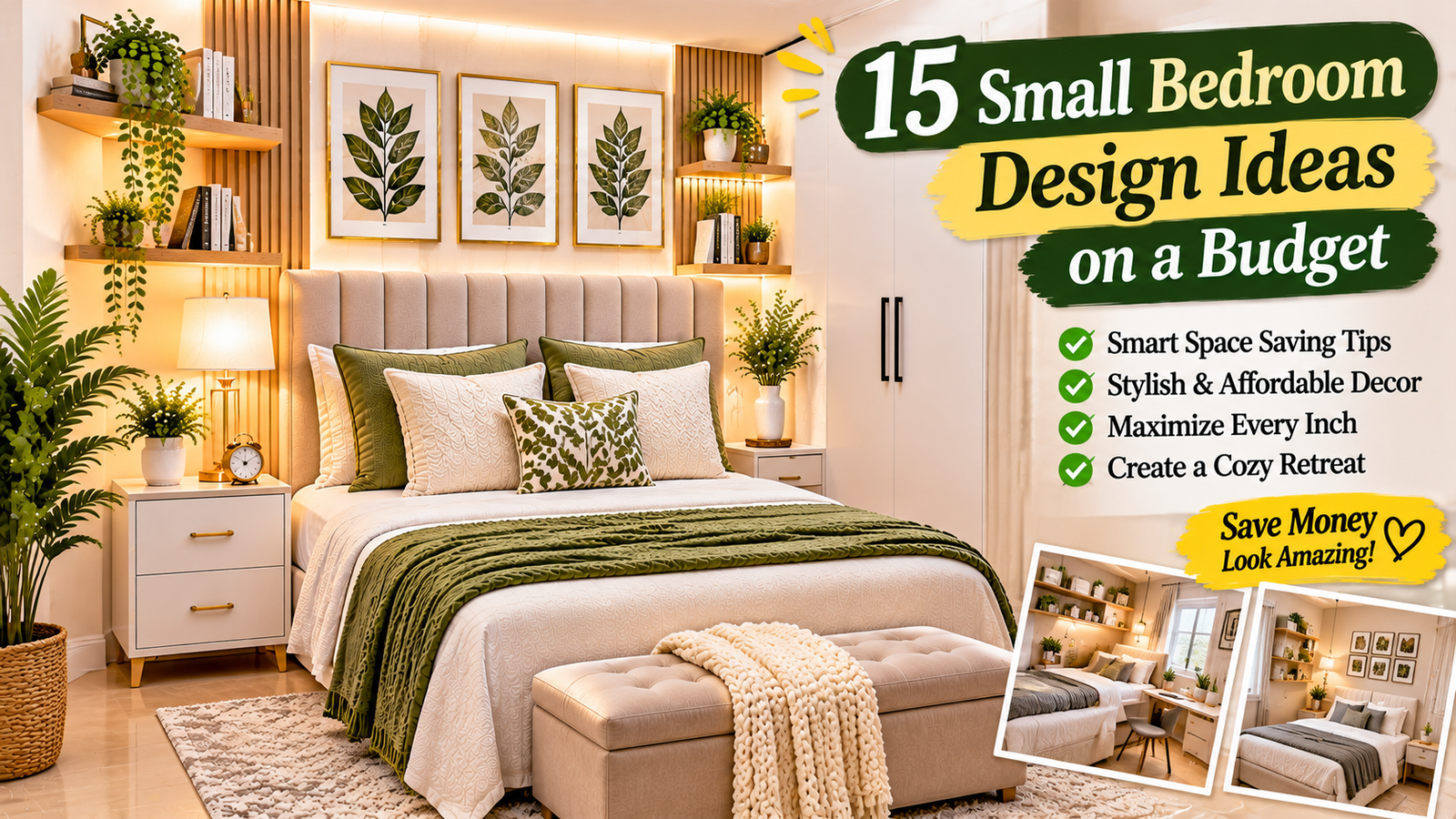
    15 Small Bedroom Design Ideas on a Budget

    My first apartment bedroom was so narrow that I had to shuffle sideways to reach the closet. I had almost no money, a hand-me-down bed frame, and a window that looked straight at a brick wall. Over about a year, and a total spend I’m slightly embarrassed to admit was tiny, that room became the most comfortable space I’d ever lived in. It taught me that a small bedroom isn’t a design problem you solve with money. It’s one you solve with decisions.

    Here are fifteen ideas that make a small bedroom look better, feel bigger, and function well without wrecking your budget.

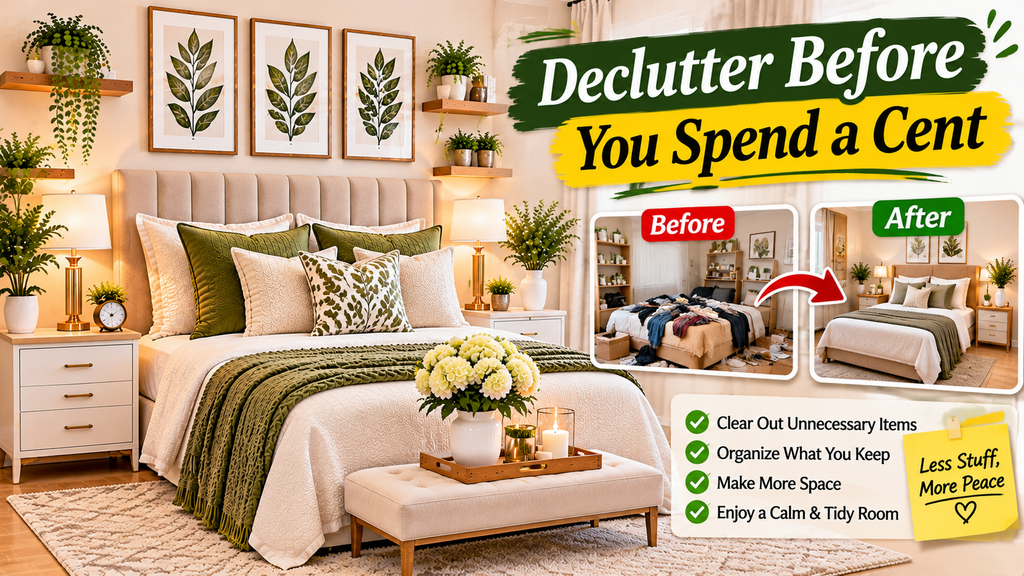
    1. Declutter Before You Spend a Cent

    Nothing makes a small room feel smaller than stuff. Go through your clothes, books, and random items stuffed in corners. Donate or sell what you don’t use. Selling a few pieces online can even fund your other changes. A cleared room instantly feels larger, and you’ll often discover you needed less storage than you thought.

    2. Repaint in a Light, Warm Shade

    Paint is the cheapest transformation available. Soft whites, warm greige, pale sage, or a muted blush reflect light and make walls feel farther away. One gallon usually covers a small bedroom. If you love color, try a deeper shade on just one wall behind the bed. Always test samples first, as colors change dramatically between morning and night. If you rent, get permission before painting.

    3. Choose a Bed Frame That Works Harder

    A platform bed with built-in drawers, or a basic frame raised high enough for storage boxes underneath, adds hidden capacity. Secondhand frames are often sturdy and far cheaper than new ones. Avoid bulky footboards in tight rooms, since they eat precious inches and make the space feel boxed in.

    4. Use Under-Bed Storage Smartly

    Flat storage bins, rolling drawers, or vacuum bags for seasonal bedding can hold a surprising amount. Keep it organized with labels so you don’t forget what’s down there. This is the kind of unglamorous solution that frees up wall and floor space for things you actually want to see.

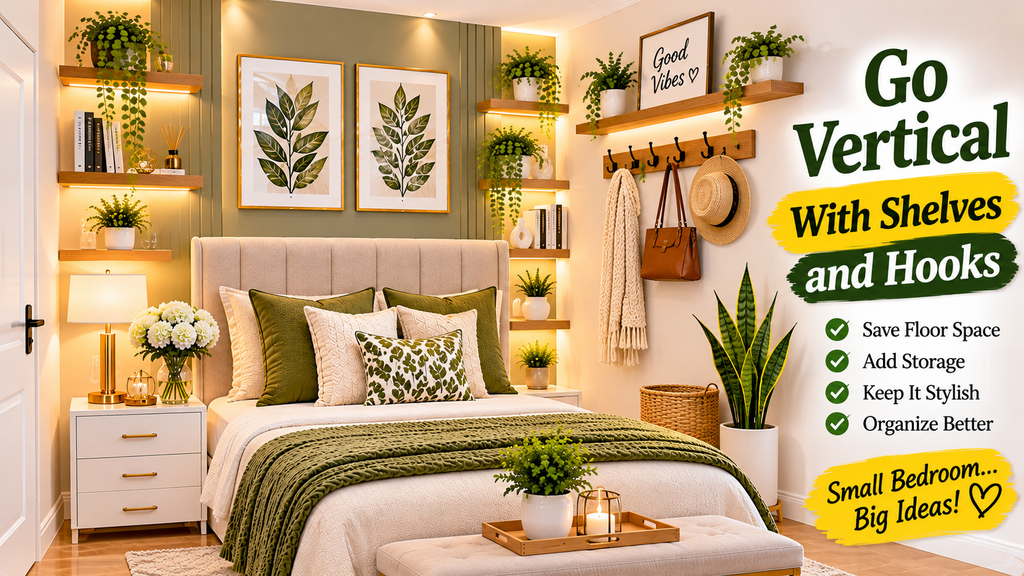
    5. Go Vertical With Shelves and Hooks

    Floor space is limited, but walls are not. Install a couple of simple shelves above the bed or beside the window, and add hooks behind the door for bags, robes, and scarves. A tall, narrow bookcase takes up little floor area while holding plenty. If you rent, use heavy-duty adhesive hooks or tension-mounted options, and check their weight limits.

    6. Upgrade Your Bedding

    Great bedding makes even a basic room feel intentional. You don’t need luxury brands. Look for cotton or linen blends from budget retailers, and layer a duvet, a throw, and a few pillows. Stick to two or three coordinating colors so the bed looks cohesive. A well-dressed bed is often the cheapest big-impact upgrade there is.

    7. Swap Harsh Lighting for Warm Layers

    Cheap overhead fixtures can make a bedroom feel like an office. Switch to warm bulbs around 2700K and add a small lamp or two. Clip-on or plug-in wall lights save nightstand space. A string of soft lights behind a headboard is inexpensive and adds a gentle glow. Layered, low lighting makes small rooms feel far more relaxing.

    8. Hang Curtains Higher Than the Window

    Mounting the rod near the ceiling and letting the panels reach the floor draws the eye upward and makes the room look taller. Inexpensive cotton or linen-look curtains work just as well as pricey ones. If you need darkness for sleep, choose a blackout lining or add a cheap blackout liner behind lighter panels.

    9. Add a Large Mirror

    A big mirror reflects light and visually doubles the space. Thrift stores and marketplace listings often have good ones for very little. Lean a full-length mirror against a wall or hang a large one opposite the window. Avoid angling it toward clutter, and think twice about placing it directly facing the bed if that bothers you.

    10. Use a Rug to Warm the Space

    A rug gives you something soft to step onto and ties the room together. Choose a size that extends past the sides and foot of the bed, even if it means shopping secondhand or at an outlet. A flat-weave or jute rug is usually more affordable than wool, and a rug pad adds comfort and stops slipping.

    11. Build a Simple DIY Headboard

    A headboard adds comfort and a focal point, and it doesn’t have to cost much. Options include a painted plywood panel, a fabric-wrapped board, or simply a large piece of art hung above the bed. A few evenings and a modest supply budget can produce something that looks custom. Take your time with measurements, and don’t rush the finishing.

    12. Choose Multi-Purpose Furniture

    A bench at the foot of the bed with storage a nightstand with a drawer or a small desk that doubles as a vanity helps you do more with less. In a tiny room every piece should earn its place. Look for furniture with visible legs, which lets light pass underneath and keeps the space airy.

    13. Add Plants and Natural Touches

    A pothos, snake plant, or ZZ plant brings life without needing much light or attention. Place them on a shelf or windowsill. A simple vase with a few stems from the grocery store also does the job. If you have pets double check that your plants are safe for them as some common houseplants are toxic.

    14. Edit Your Surfaces

    Nightstands and dressers attract clutter fast. Keep only what you use daily such as a lamp a book and a glass of water. A small tray or basket corrals loose items. Clear surfaces make the room feel more spacious and calming and they cost nothing to achieve.

    15. Personalize With Meaningful Details

    Framed photos a print from a trip or a handmade item gives the room character. Free printable art or your own photography in affordable frames can look just as good as expensive pieces. Don’t fill every wall. A few meaningful items with some empty space looks more intentional than a crowd of decor.

    Keeping It Realistic

    Budget design involves trade offs. Cheap furniture may not last, so spend a little more on items you use every night like a mattress or bedding, and save on decorative extras. DIY projects take time and can fail, especially if you skip prep work. Renters should prioritize removable and reversible changes. And avoid buying “organizing” products before you’ve decluttered, since they often just store more of what you don’t need.

    Final Thoughts

    A small bedroom can feel calm stylish and surprisingly spacious without a large budget. Start with decluttering paint lighting and bedding then add storage, mirrors and personal touches. Make changes slowly live with each one and see what the room actually needs. The most satisfying bedrooms aren’t the most expensive. They’re the ones that fit the person sleeping in them.

    FAQs

    Q: How can I make a small bedroom look bigger on a budget?
    A: Use light paint colors add a large mirror hang curtains high and keep surfaces and floors clear of clutter.

    Q: What is the cheapest way to update a small bedroom?
    A: Decluttering repainting and updating bedding and lighting offer the biggest impact for the lowest cost.

    Q: What furniture is best for a small bedroom?
    A: Choose a bed with storage, slim nightstands and multi purpose pieces with visible legs to keep the room open.

    Q: Can renters decorate a small bedroom on a budget?
    A: Yes. Use bedding rugs lamps curtains plants and removable wall decor instead of permanent changes.

    Q: Where can I find affordable bedroom decor?
    A: Thrift stores online marketplaces outlet shops and budget home retailers are all good sources for quality low cost pieces.

  • 12 Neutral Bedroom Decor Ideas for a Relaxing Aesthetic

    A bedroom is the one room in the house that has a single clear job: helping you rest. Yet most of us treat it as an afterthought a place where laundry piles up chargers tangle and the decor is whatever was left over from the rest of the home. When I started simplifying my own bedroom a few years ago I assumed I’d feel the difference in how it looked. What surprised me was how much it changed the way I slept and how I felt waking up.

    Neutral bedrooms get a bad rap for being boring, but done well they’re the opposite. They’re quiet layered and calming. Here are twelve ideas I’ve found work reliably whether you’re in a rental a family home or a small city apartment.

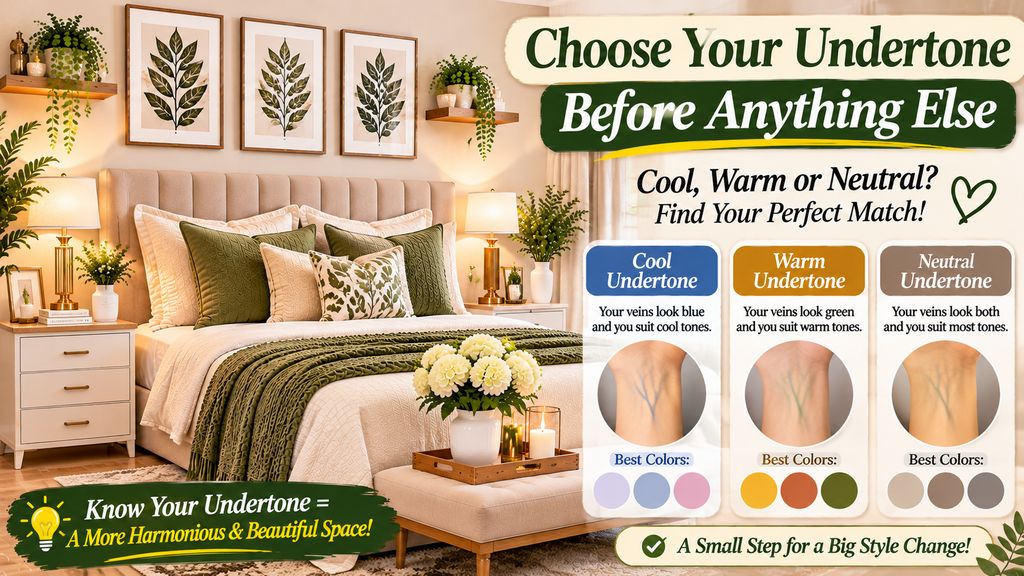
    1. Choose Your Undertone Before Anything Else

    Neutral doesn’t mean one single color. Whites, creams, beiges, greiges, and soft taupes each carry a warm or cool undertone, and mixing them carelessly is why some neutral rooms look “off.” Hold paint swatches next to your flooring, headboard, and bedding in both daylight and lamplight. Warm undertones feel snug and inviting, while cooler ones feel crisp and airy. Decide which mood you want and stay consistent.

    2. Layer Tones Instead of Using One Flat Shade

    A bedroom in a single shade of beige can look like a waiting room. Instead, layer three or four closely related tones: a pale wall, a mid-tone bed linen, a deeper accent in a throw or rug. That gentle variation creates depth and keeps the room from feeling flat, all without adding any loud color.

    3. Invest in Quality Bedding

    If you spend money on one thing, make it the bed. Breathable cotton percale, washed linen, or a cotton-sateen blend in ivory, oatmeal, or stone looks effortless and feels better over time. Layer a duvet, a quilt, and a textured throw, and add pillows in different sizes. A slightly rumpled look is part of the charm, so don’t fuss over making it perfect.

    4. Let Texture Carry the Design

    When color is limited, texture becomes the main event. Combine linen, bouclé, wool, velvet, rattan, and jute. A chunky knit blanket against smooth cotton sheets, or a woven headboard against a plaster-look wall, gives the eye plenty to enjoy. If your neutral room feels dull, it usually needs more texture rather than more things.

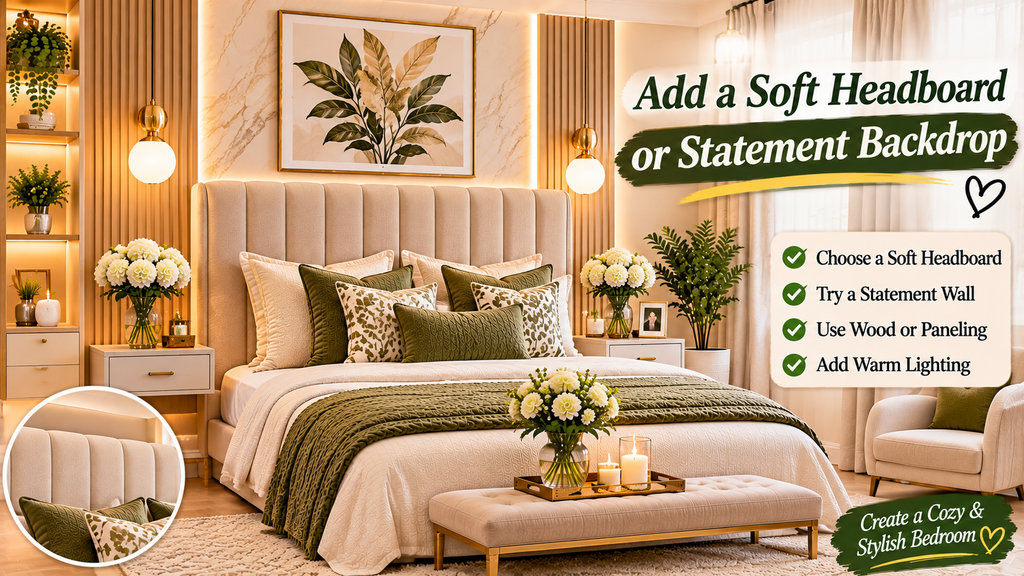
    5. Add a Soft Headboard or Statement Backdrop

    The wall behind the bed is the natural focal point. An upholstered headboard in linen or bouclé, a wooden slat panel, or even a large piece of art above the bed all work. Keep the scale generous. A tiny headboard on a big wall looks lost, whereas a wide one makes the bed feel grounded.

    6. Use Warm, Layered Lighting

    Overhead lights are the enemy of relaxation. Aim for bulbs around 2700K and place light at different heights: bedside lamps, a floor lamp in a corner, or wall sconces. Linen or paper shades diffuse light beautifully and flatter neutral tones. A dimmer, even a plug-in one, lets you wind down in the evening.

    7. Choose Natural Materials

    Wood, stone, cotton, wool, and ceramics age gracefully and bring warmth to a restrained palette. A light oak nightstand, a travertine lamp base, or a handmade ceramic vase adds character without color. Matte and honed finishes tend to feel calmer than glossy, reflective ones.

    8. Keep Window Treatments Soft and Simple

    Floor-length linen curtains in white, oatmeal, or taupe, hung high and wide, frame the window and soften the room. If you need darkness for sleep, add a blackout liner or a lined curtain. Light, filtered daylight in the morning feels lovely, but a dark room at night is better for rest.

    9. Ground the Bed With a Generous Rug

    A rug that extends beyond the sides and foot of the bed gives your feet something soft to land on and visually anchors the room. A low-pile wool or flat-weave in a tonal pattern is practical and quiet. If the room is small, two runners on either side of the bed work well, though a single larger rug usually looks calmer.

    10. Bring in Greenery or Dried Botanicals

    A neutral room needs a touch of life. A trailing pothos on a shelf, a snake plant in the corner, or a vase of dried pampas or eucalyptus adds organic softness. If you don’t have much natural light, choose low-light plants like ZZ or snake plants. Dried stems work for people who tend to forget the watering can.

    11. Edit Your Surfaces Ruthlessly

    A relaxing bedroom has a lot of visual rest. Keep nightstands to a lamp, a book, and perhaps a small dish or glass of water. A tray on the dresser gathers small items, and closed storage hides the rest. Clear surfaces tell your brain it’s time to slow down, which is the whole point of the room.

    12. Add Subtle Scent and Personal Touches

    A lavender sachet, a diffuser, or a quiet candle gives the room a sensory layer. Keep scents light, and don’t leave flames unattended. Then add one or two personal items, such as a framed photo, a piece of art you love, or a keepsake from a trip. These details stop a neutral space from feeling like a hotel room.

    Honest Pros and Cons

    Neutral bedrooms are timeless, flexible, and easy to update with new bedding or art. But they have trade-offs. Light fabrics show stains, especially with pets or children, so choose washable covers or performance fabrics. Too many identical tones can feel sterile, so don’t skip contrast and texture.

    And if you crave color, a neutral base makes it easy to rotate in seasonal pillows or throws without redoing everything. Also remember that decor doesn’t replace good sleep habits. A cool, dark, quiet room matters more than any styling choice.

    Final Thoughts

    A relaxing neutral bedroom doesn’t come from buying a “look.” It comes from restraint, good materials, and attention to how the room feels at 10 p.m. and 7 a.m. Start with the bedding and lighting, then add texture, a rug, and a few natural pieces. Give yourself time. The best bedrooms evolve slowly and end up feeling both calm and personal.

    FAQs

    Q: What colors count as neutral for a bedroom?
    A: White, cream, beige, taupe, greige, soft gray, and natural wood tones are the most common choices.

    Q: How do I stop a neutral bedroom from looking boring?
    A: Layer different shades, mix textures, add greenery, and include a few darker accents for contrast.

    Q: Are warm or cool neutrals better for sleep?
    A: Warm neutrals tend to feel cozier, while cool ones feel crisper. Pick what you find most relaxing and keep lighting warm.

    Q: What bedding works best in a neutral bedroom?
    A: Breathable cotton or linen in ivory, oatmeal, or stone, layered with a textured throw and varied pillows.

    Q: Can I add color to a neutral bedroom?
    A: Yes. Use pillows, throws, or art in muted tones so the color is easy to change later.

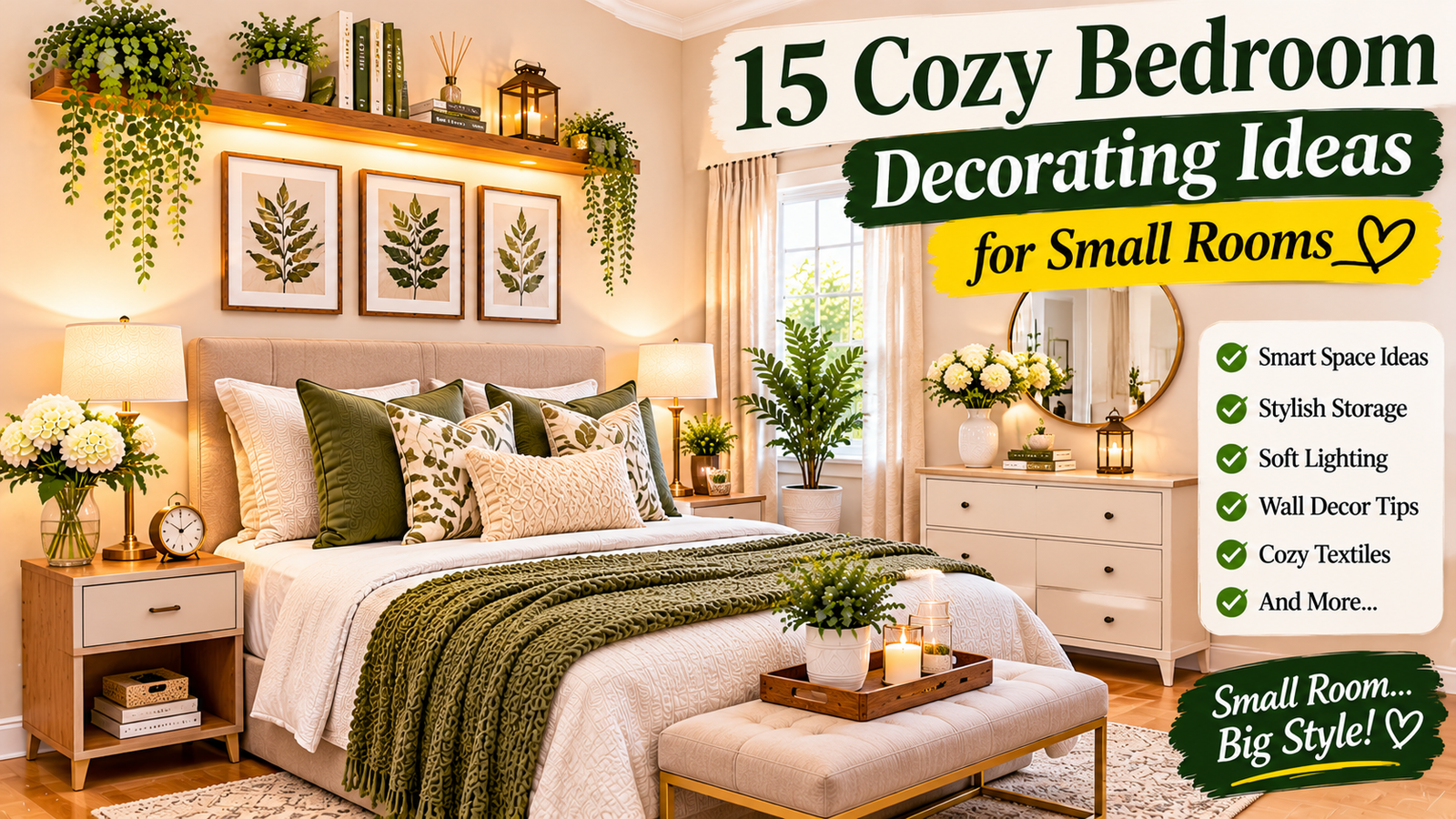
  • 15 Cozy Bedroom Decorating Ideas for Small Rooms

    15 Cozy Bedroom Decorating Ideas for Small Rooms

    A small bedroom has a quiet advantage that people rarely appreciate: it’s naturally intimate. Nobody has ever called a ten by ten bedroom cold and echoed. The challenge isn’t creating warmth, it’s keeping the room from feeling like a storage unit with a bed in it.

    I’ve helped friends rework everything from a narrow rental box to an attic room with a sloped ceiling, and the same handful of principles keep working. Here are fifteen ideas for making a small bedroom feel calm, layered, and genuinely restful.

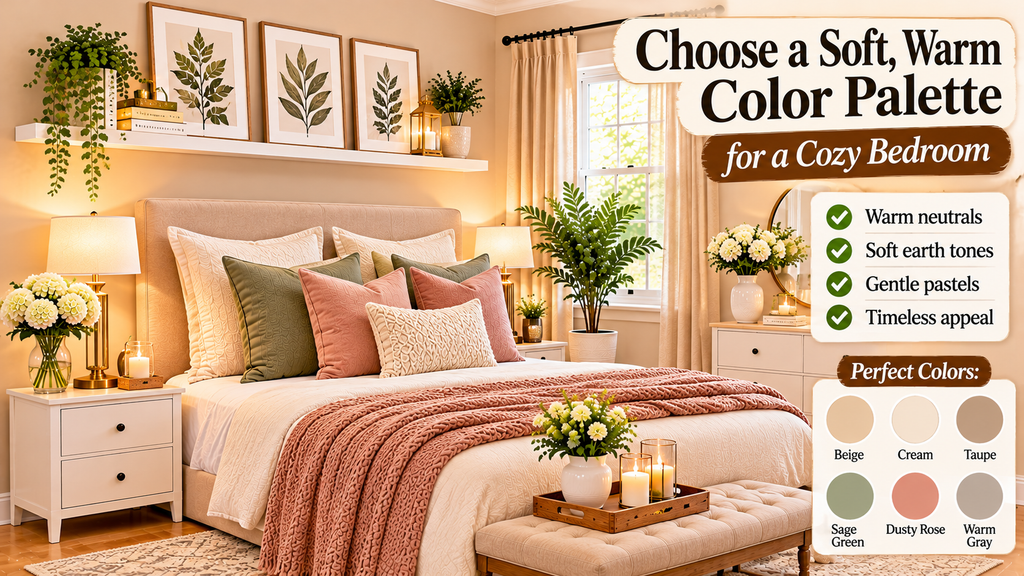
    1. Choose a Soft, Warm Color Palette

    Creamy whites, warm greige, dusty blush, muted sage, and soft clay all create a gentle backdrop. If you like drama, a deep color like moss green or navy on one wall, often behind the bed, can feel wonderfully enveloping. Dark walls don’t have to shrink a room, but they do need good lighting. Test samples in both daylight and lamplight before painting.

    2. Make the Bed the Star

    In a small room, the bed takes up most of the space, so let it be the focal point. Invest in good bedding: breathable cotton or linen sheets, a duvet with some loft, and a few pillows in varied sizes. Layer a folded quilt or knit throw at the foot. A well dressed bed does more for coziness than any other single piece.

    3. Layer Textures, Not Clutter

    Coziness is mostly tactile. Combine linen flannel a chunky knit a velvet cushion and perhaps a sheepskin or soft rug. Keep colors close together so the texture adds richness without busyness. Too many patterns in a small room can feel restless, so choose one or two and keep them low-contrast.

    4. Use Warm, Low Lighting

    Overhead lights flatten a bedroom. Use bulbs around 2700K and spread the light across bedside lamps a small wall sconce or even a string of soft lights behind a headboard. Dimmers or smart bulbs help you wind down at night. Wall mounted or plug in sconces free up bedside table space, which is precious in tiny rooms.

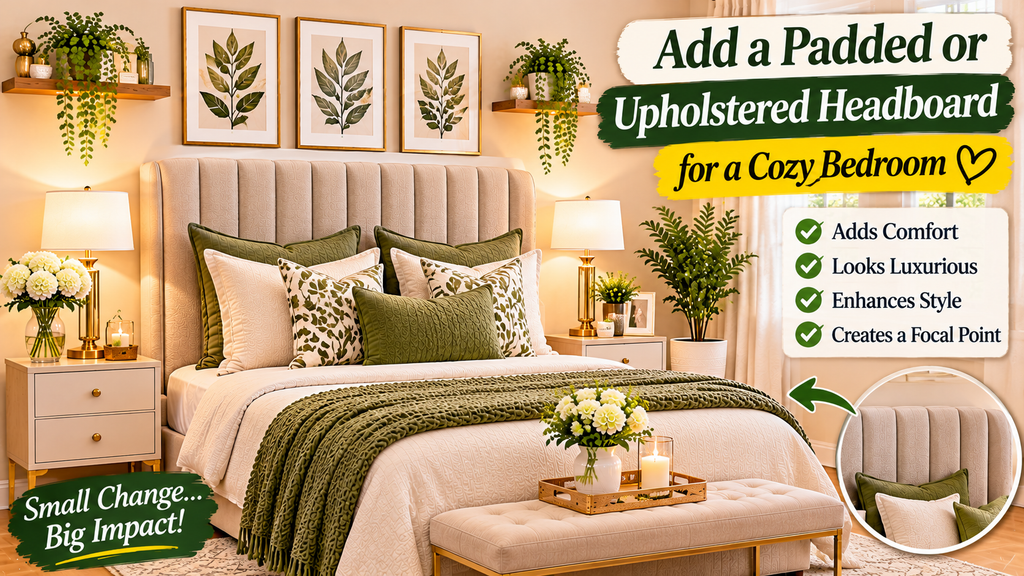
    5. Add a Padded or Upholstered Headboard

    A soft headboard adds comfort and a hint of luxury. Linen bouclé or velvet all work and a slim profile keeps it from eating into floor space. If a full headboard doesn’t fit, a wall-mounted padded panel or a simple fabric hanging above the bed gives a similar effect.

    6. Go Vertical With Storage

    Floor space is limited, so use height. Tall narrow dressers, wall mounted shelves and hooks near the door keep things off the floor. Under bed storage boxes are useful for off season clothes and extra bedding. Hide what you can in closed storage so the room feels calm rather than crowded.

    7. Choose Slim, Multi-Purpose Furniture

    A bench with storage at the end of the bed, wall mounted bedside shelves, or a narrow nightstand with a drawer can save inches. A small desk that doubles as a vanity works in tight corners. Pick pieces with visible legs so light and floor show underneath, which keeps the room airy.

    8. Hang Curtains High and Wide

    Mount curtain rods closer to the ceiling to make the room feel taller, and let the panels extend beyond the window frame. Lined curtains also help with light control and insulation, which matters for sleep. Soft linen blends filter daylight beautifully, while blackout liners help if you need darkness.

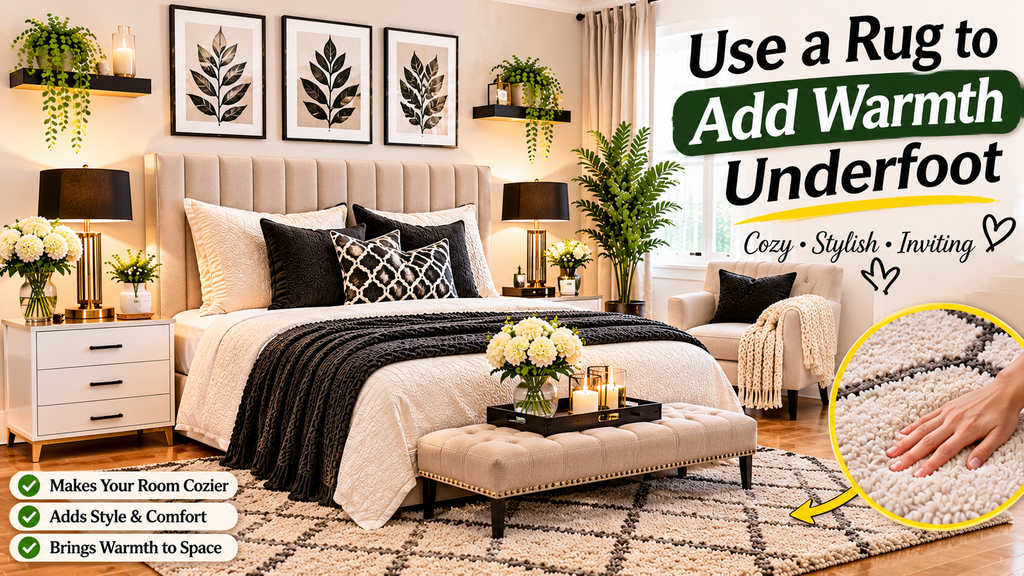
    9. Use a Rug to Add Warmth Underfoot

    Stepping onto a cold floor in the morning is not cozy. Place a rug that extends beyond the sides and foot of the bed so your feet land on something soft. In a tiny room, two runners on either side of the bed can work if a large rug feels too heavy.

    10. Add a Mirror to Bounce Light

    A large mirror, perhaps leaning against a wall, makes a small bedroom feel more open. Place it opposite a window or lamp to reflect light, and avoid facing it directly at the bed if you find that unsettling. A round or arched mirror also softens the room’s lines.

    11. Bring in Plants

    A trailing pothos on a shelf, a small snake plant, or a sprig of eucalyptus brings freshness. Snake plants and ZZ plants tolerate low light, which suits many bedrooms. Choose plants you’ll actually care for, and keep them away from the bed if you’re prone to allergies.

    12. Create a Small Reading Nook

    Even a tiny room can hold a corner chair a floor cushion or a bench by the window. Add a small lamp and a throw, and you’ve got a spot to read without sitting on the bed. It also helps separate relaxing from sleeping, which many sleep experts recommend.

    13. Keep Surfaces Edited

    A few well chosen items on the nightstand, such as a lamp a book and a small dish look calm and intentional. A crowded dresser top full of products and papers does the opposite. A tray or basket helps corral small items and keeps things tidy without much effort.

    14. Add Scent and Soft Sound

    A subtle candle a lavender sachet or a diffuser can make the room feel like a retreat. Keep fragrances light since small rooms can become overwhelming quickly. A white noise machine or soft music helps with sleep too. Blow out candles before bed and never leave a flame unattended.

    15. Add Personal Touches

    A framed photo a favorite print a handmade ceramic dish. These details make the room feel like yours rather than a catalog set. Stick to a few meaningful pieces rather than covering every wall and let some space stay empty.

    A Few Honest Considerations

    Not every idea suits every home. If you rent focus on bedding lamps rugs, and removable wall decor rather than painting or drilling. If you share the room with a partner, make sure each of you has a usable bedside surface and reading light.

    And if you tend to sleep hot, choose breathable linen or cotton over heavy synthetics, no matter how plush they look. Sleep quality matters more than any aesthetic choice, so keep the room reasonably cool dark and uncluttered.

    Final Thoughts

    A cozy small bedroom doesn’t depend on square footage. It comes from warm lighting soft layers thoughtful storage and a bed you actually want to climb into. Start with bedding, lighting and a rug then build slowly from there. The best bedrooms feel collected and calm never crowded.

    FAQs

    Q: What colors make a small bedroom feel cozy?
    A: Warm neutrals like cream beige and soft taupe work well as do muted greens blush tones and deeper shades like navy on an accent wall.

    Q: How do I make a small bedroom feel less cramped?
    A: Use vertical storage choose furniture with visible legs add a mirror and keep surfaces clear.

    Q: What kind of lighting is best for a cozy bedroom?
    A: Warm 2700K bulbs bedside lamps and dimmers create a soft relaxing glow.

    Q: Can I use dark paint in a small bedroom?
    A: Yes, if you pair it with good lighting and lighter bedding. Dark walls can feel intimate rather than small.

    Q: How can I add storage without clutter?
    A: Use under bed boxes wall shelves hooks and closed storage so belongings stay out of sight.

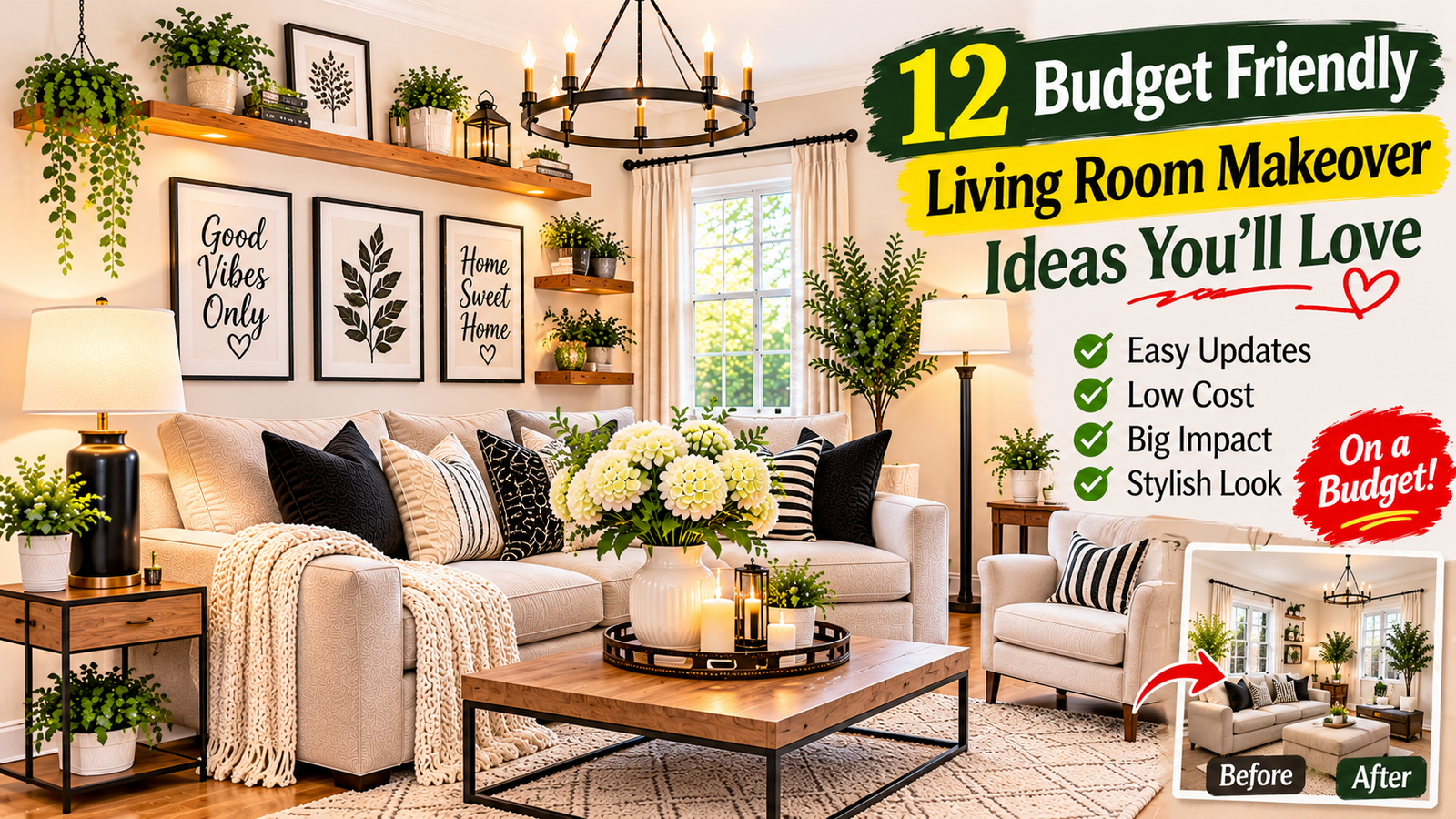
  • 12 Budget-Friendly Living Room Makeover Ideas You’ll Love

    12 Budget-Friendly Living Room Makeover Ideas You’ll Love

    The first living room I ever redid cost me less than a weekend away. I had a tired sofa, a beige rental wall, and a coffee table with a wobble. I assumed a real change would need a real budget. It didn’t. What it needed was a plan, a bit of patience, and a willingness to spend money in the right places and nowhere else.

    That’s the main lesson I’ve taken from years of helping friends refresh their homes: a makeover isn’t about buying more; it’s about changing what the eye notices first. Here are twelve ideas that deliver the biggest visual return for the least money.

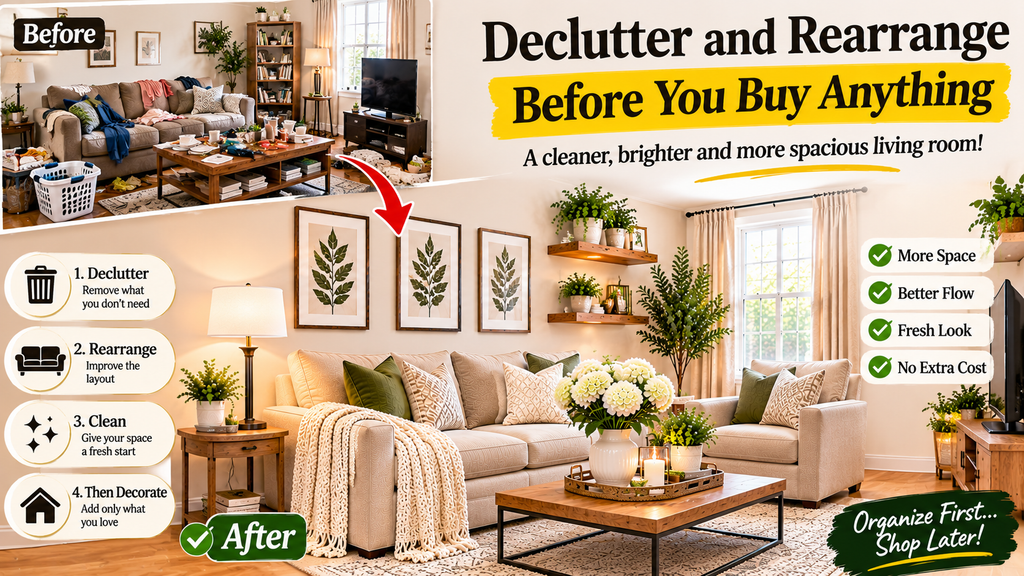
    1. Declutter and Rearrange Before You Buy Anything

    This costs nothing and often does more than any purchase. Clear the surfaces, donate what you no longer use, and try the furniture in a new arrangement. Pulling a sofa off the wall or angling a chair can make a room feel like a different space. Many people find they don’t need half the things they were about to order.

    2. Repaint One Wall or the Whole Room

    Paint remains the cheapest dramatic change you can make. A gallon often covers a small living room and costs far less than new furniture. Warm whites, soft greige, muted sage, or a deep accent wall in navy or forest green all feel current. Buy sample pots first and test them in your own light, since colors shift between morning and evening. If you rent, check your lease and consider repainting only with permission.

    3. Upgrade the Lighting

    Cheap overhead bulbs are the quickest way to make a room feel flat. Swap them for warm bulbs around 2700K and add a floor lamp or two. A simple paper or linen shade costs very little and softens everything. Dimmable bulbs and plug-in dimmers are inexpensive and make an outsized difference in the evening.

    4. Refresh the Sofa Instead of Replacing It

    A new sofa can cost a few thousand dollars, but a washable slipcover, a few new cushion covers, and a throw blanket can transform the one you own. If the frame is sturdy and the cushions are decent, a fabric refresh is often smarter. Mix textures such as linen, bouclé, and knit and stay within a tight color range so it looks planned.

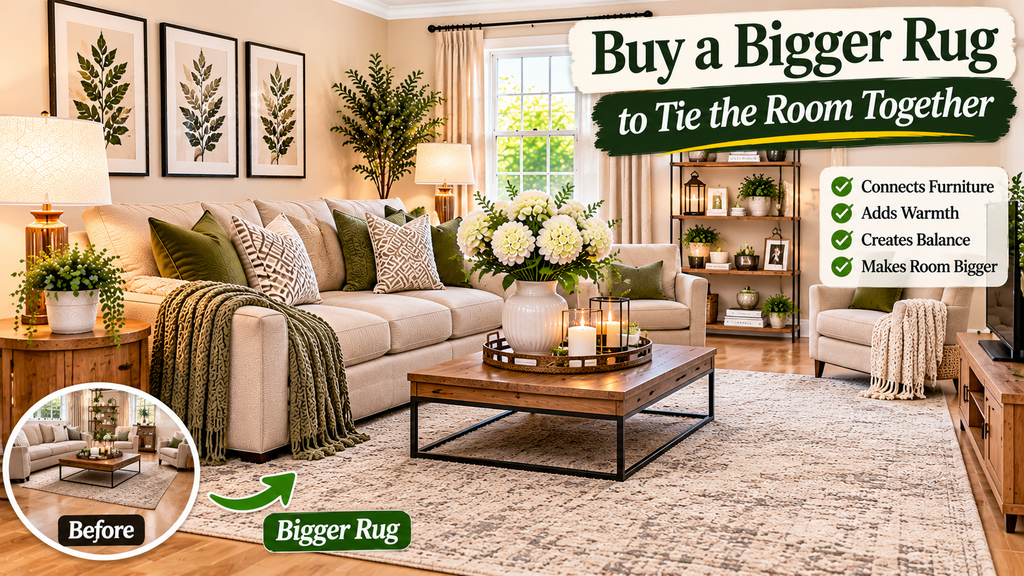
    5. Buy a Bigger Rug

    A rug that’s too small makes a room look choppy. Look for a larger size on sale or at outlet and home stores, and go big enough that the front legs of the sofa sit on it. Flat weave and jute rugs are usually more affordable than hand-knotted wool and still look good. Add a rug pad so it stays put and feels softer underfoot.

    6. Shop Secondhand for Statement Pieces

    Thrift shops, estate sales, and online marketplaces are where character lives. A solid wood side table, a vintage mirror, or a handsome lamp can cost a fraction of a new equivalent, and often they’re better built. Check for sturdy joints and bring a tape measure. A little sanding, a coat of paint, or new hardware can make a find feel custom.

    7. Give Old Furniture a New Life

    Paint, stain, and new knobs are among the best-kept secrets of budget design. A tired bookcase painted in a deep color looks like a new piece. A scratched coffee table can be sanded and finished with a satin sealer. Always use the right primer and let each coat dry fully. It takes patience, but the results can look surprisingly expensive.

    8. Hang Curtains Higher and Fuller

    Curtains are one of the cheapest ways to add polish. Mount the rod near the ceiling, use panels wide enough to look full, and let them just touch the floor. Basic linen look or cotton panels from budget retailers work well. This one trick makes ceilings look taller, and windows look grander without a single renovation.

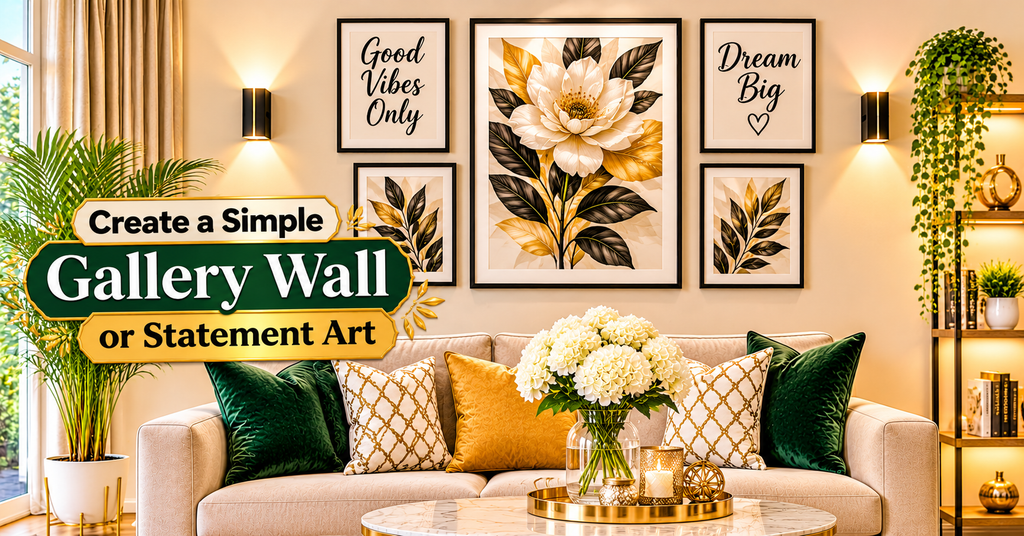
    9. Create a Simple Gallery Wall or Statement Art

    Bare walls can make a living room feel unfinished. You don’t need pricey art. Print your own photography, download free public domain artwork, or buy inexpensive frames and add matting to make them look more upscale. Lay everything out on the floor first, then hang. Removable strips protect rental walls, though you should check weight limits.

    10. Bring in Plants

    Plants are among the best value upgrades you can make. A pothos, snake plant, or rubber plant costs little and adds life instantly. Put them in simple baskets or ceramic pots to look intentional. If you tend to neglect plants, choose hardy varieties or mix in a few high-quality faux ones. Just don’t buy more than you can keep alive.

    11. Update the Small Details

    Swapping outdated light switch covers, replacing old cabinet or shelf hardware, and adding a simple tray on the coffee table might sound minor, but small details add up. A tidy basket for blankets, a stack of books, and a candle give a room a finished feel. These are cheap changes that make the space look cared for.

    12. Layer in Scent and Texture

    A makeover isn’t only visual. A candle, a diffuser, or a simmer pot of citrus and cinnamon changes how a room feels. Pair that with a chunky throw and a couple of textured pillows, and you’ve added comfort for very little money. Use candles safely, and never leave them unattended.

    Budgeting Tips and Honest Trade-Offs

    Spend where you touch and sit: a quality sofa, a good mattress for guests, or sturdy shelving. Save on decor accessories and anything that’s mainly decorative. Set a total budget and a rough split before you start, and keep a list of what you actually need. Impulse purchases are what derail most budget makeovers.

    Also, keep expectations realistic. Very cheap furniture may not last, and that bargain can cost more if you replace it in two years. DIY projects take time and can go wrong, especially painting furniture without proper prep. If you rent, focus on lighting, textiles, rugs, and removable decor, and skip anything that needs permanent changes.

    Final Thoughts

    A living room makeover doesn’t require a big budget, just a clear sense of what you want the space to feel like. Begin with decluttering, paint, and lighting. Those three changes alone can transform a room. Then layer in textiles, secondhand finds, and plants over time. The best rooms rarely appear overnight. They’re built slowly with care, and they usually end up feeling more personal than anything bought in one shopping trip.

    FAQs

    Q: What is the cheapest way to update a living room?
    A: Decluttering, rearranging furniture, and repainting are the cheapest options, followed by new lighting and textiles.

    Q: How can I make my living room look expensive on a budget?
    A: Use warm lighting, hang curtains high, add a large rug, and choose a cohesive color palette with varied textures.

    Q: Is it worth buying secondhand furniture?
    A: Often yes. Solid wood pieces are usually better built than cheap new items. Inspect carefully for damage and pests.

    Q: What should I spend money on first?
    A: Prioritize paint, lighting, and a quality rug or sofa since these have the biggest impact on how the room looks and feels.

    Q: Can renters do a budget makeover?
    A: Absolutely. Focus on lamps, rugs, curtains, throws, plants, and removable wall art.

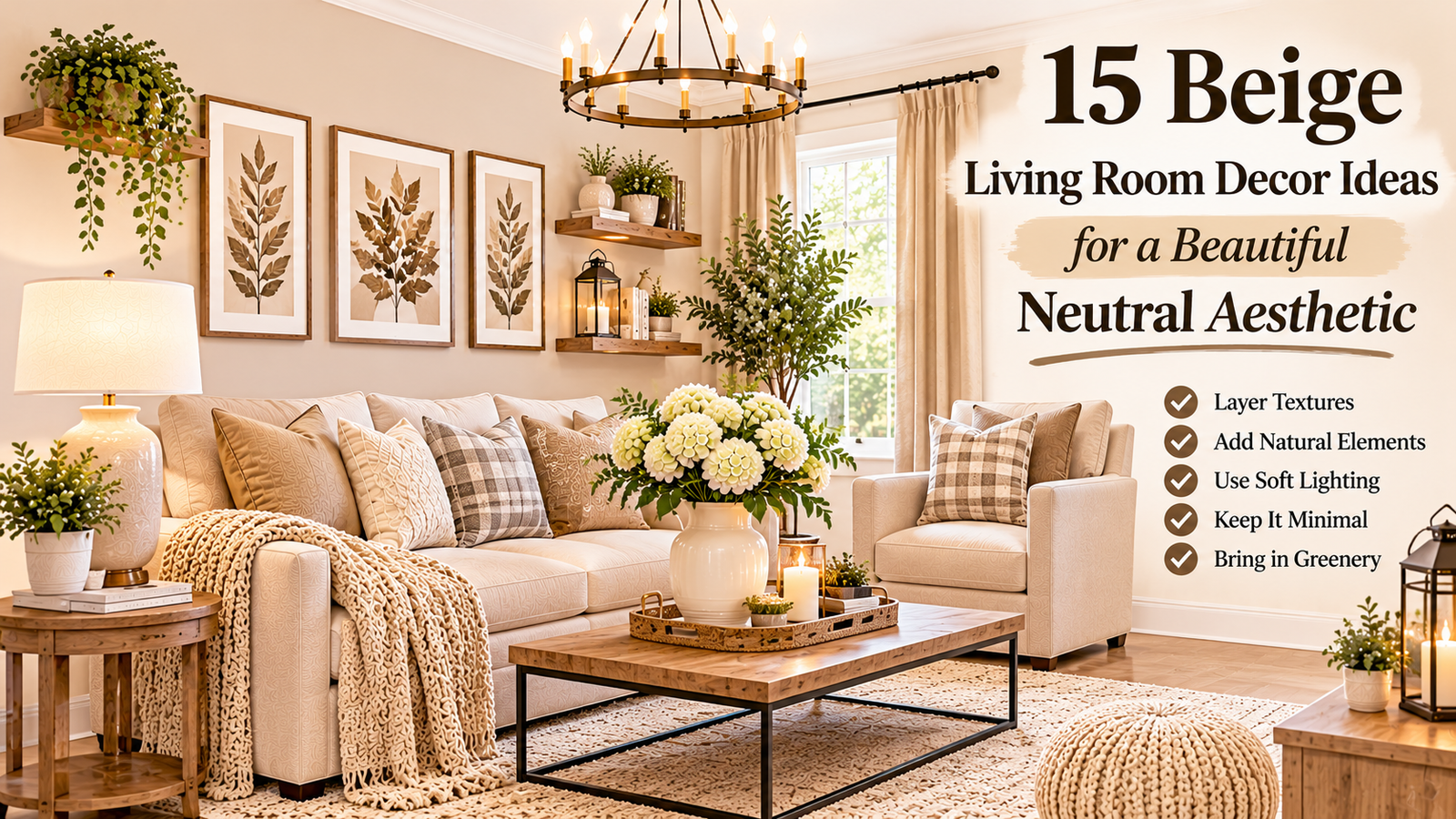
  • 15 Beige Living Room Decor Ideas for a Beautiful Neutral Aesthetic

    15 Beige Living Room Decor Ideas for a Beautiful Neutral Aesthetic

    Beige has had a rough reputation. For years, it was shorthand for rental white walls, builder-grade carpet, and rooms with no personality. Then somewhere in the last few seasons, it came roaring back; only this time, it looks different. Today’s beige is warmer, richer, and far more textured. Think oatmeal linen, sand colored plaster, and creamy travertine rather than flat, yellowish builder paint.

    I’ve styled beige rooms that felt like a quiet hotel lobby and others that felt like a sanctuary, and the difference rarely came down to the color itself. It came down to undertone, texture, and a few thoughtful contrasts. Here are fifteen ideas that make beige feel intentional.

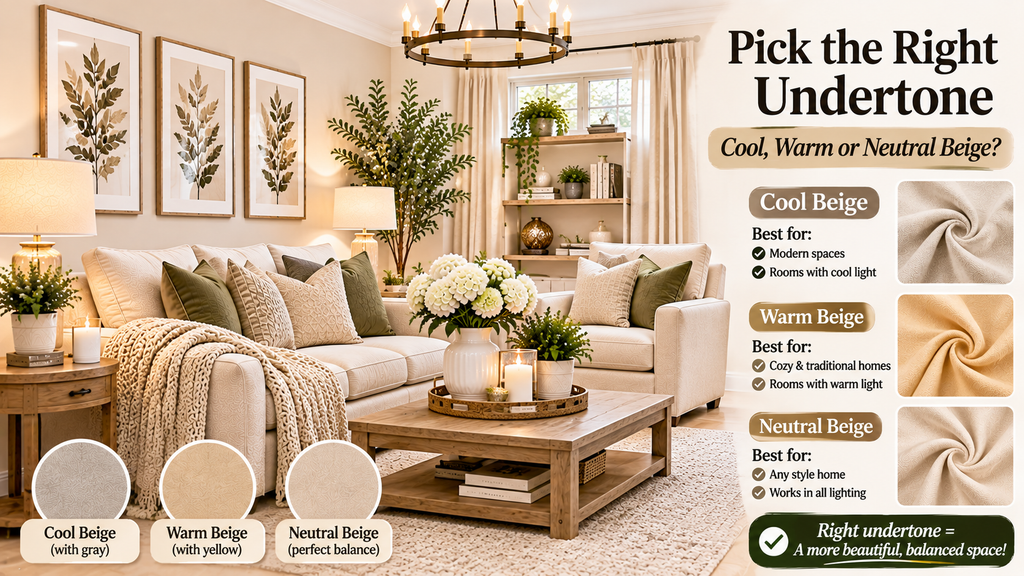
    1. Pick the Right Undertone

    Beige is tricky because it leans toward yellow, pink, green, or gray depending on the formula. Before you commit, test large swatches on two different walls and look at them in morning light and under lamps at night. A beige with a slight pink or red undertone feels cozy, while a gray-leaning one (greige) feels more modern. Make sure your flooring and any fixed finishes, such as a stone fireplace, agree with the undertone you choose.

    2. Layer Several Shades of Beige

    A room painted one beige and furnished in the same beige looks flat. Instead, play with depth: a pale cream wall, a mid-tone sand sofa, and a deeper camel or taupe accent. This tonal layering is the secret behind most of the beige rooms you see and love online. It creates quiet richness without any loud color.

    3. Choose a Sofa in Natural Fabric

    Linen blends, cotton, and performance bouclé all look lovely in oatmeal or stone. If you have kids or pets, go for a washable slipcover or a tight weave performance fabric, since lighter sofas show everything. A slightly relaxed, curved silhouette softens the whole room.

    4. Let Texture Do the Talking

    Because color is subdued, texture becomes the main event. Mix bouclé, chunky wool, jute, rattan, velvet, and a smooth leather accent. A nubby throw next to a silky cushion creates contrast the eye can read even without color. If a beige room feels dull, I’d bet it needs more texture, not more decor.

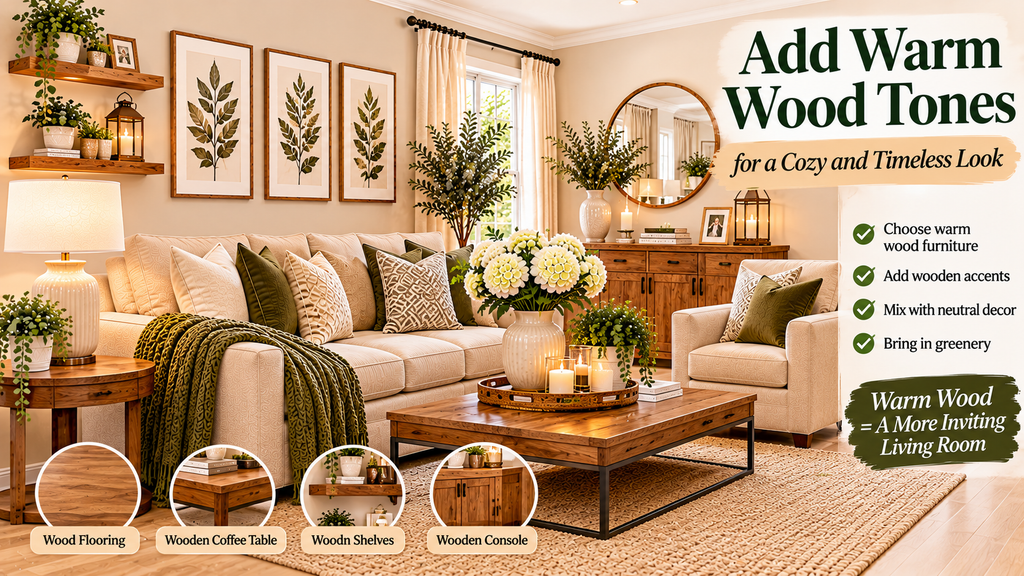
    5. Add Warm Wood Tones

    Wood keeps beige from drifting into blandness. Honey oak, walnut ash, and weathered teak all work. A solid wood coffee table, a wooden console, or even a simple stool brings natural warmth and a grounded feel. Avoid too many matching finishes; slight variations look more collected.

    6. Use a Large, Textured Rug

    A wool or jute rug grounds the seating area. Choose one with visible texture, such as a loop pile, a chunky weave, or a subtle tonal pattern. A rug a shade or two darker than the sofa prevents the furniture from visually melting into the floor.

    7. Bring in Soft, Layered Lighting

    Beige looks best in warm low light. Use bulbs around 2700K and spread the glow across a floor lamp, table lamps, and perhaps a plug-in sconce. Linen or paper shades diffuse light beautifully. Harsh cool overhead lights will make beige look dingy and tired, so dimmers are a cheap, effective upgrade.

    8. Keep Window Treatments Simple

    Floor-length curtains in linen or cotton, hung high and wide, frame the window without fuss. Soft white, oatmeal, or light taupe all blend with the palette. Woven bamboo shades add another organic layer if you want one.

    9. Introduce Black in Small Doses

    A black picture frame, a slim metal lamp, or a matte iron side table adds definition. Used sparingly, black acts like punctuation and stops the room from feeling washed out. Three or four touches scattered around the space are usually plenty.

    10. Use Greenery for Life and Color

    Plants are the one color that always looks right in a neutral room. An olive tree, a rubber plant, or a simple vase of eucalyptus brings freshness. I’d rather have one healthy, well-placed plant than a crowded shelf of struggling ones. Faux plants are fine if you choose good quality and mix them with at least one real one.

    11. Curate Art in Quiet Tones

    Large abstract pieces in earthy colors, black and white photography, or soft landscape prints suit a beige room perfectly. Simple wood or black frames keep things tidy. One oversized piece often looks more elegant than a dense gallery wall.

    12. Mix in Natural Stone and Ceramics

    A travertine side table, a stone bowl, a handmade ceramic vase with an uneven glaze: these small pieces add weight and character. Imperfection is part of the charm. A room made entirely of smooth, perfect surfaces can feel sterile.

    13. Add Subtle Pattern

    A herringbone throw, a faint stripe cushion, or a tonal geometric rug adds interest without breaking the calm. Keep contrast low and vary the scale so nothing competes. Patterns in cream on sand or taupe on ivory feel sophisticated and quiet.

    14. Style Surfaces With Restraint

    Group objects in odd numbers on coffee tables and shelves: a stack of books, a candle, a small bowl. Leave breathing room around them. Clear surfaces make a beige room feel serene instead of cluttered.

    15. Add Personal Touches Over Time

    Family photos, travel souvenirs, and secondhand finds make the room yours. A neutral backdrop actually shows off personal items well. Don’t rush this step. The most appealing beige rooms feel gathered over years, not bought in a weekend.

    What to Watch Out For

    Beige isn’t foolproof. Too much of it, particularly in a dim room, can look muddy or lifeless. Light fabrics stain easily, so be realistic about your household. If you struggle with the idea of a fully neutral space, treat beige as a backdrop and rotate in seasonal color through pillows, throws, or flowers. And if your room gets very little natural light, lean toward warmer, slightly deeper beiges rather than pale ones, which can turn gray and flat.

    Final Thoughts

    A beautiful beige living room comes from choosing a warm undertone, layering shades, and letting texture and natural materials carry the design. Start with the paint and a good sofa, then add lighting, a rug, and wood accents. The rest can arrive slowly, piece by piece. Done well, beige isn’t boring at all. It’s calm, timeless, and surprisingly rich.

    FAQs

    Q: Is beige still in style for living rooms?
    A: Yes. Warm textured beiges are very much in style, especially when layered with natural materials and soft lighting.

    Q: What colors go well with beige?
    A: Cream white, taupe, olive green, terracotta, soft black, and warm wood tones all pair nicely with beige.

    Q: How do I stop a beige room from looking boring?
    A: Layer different shades, add varied textures, include dark accents, and bring in plants and art.

    Q: What’s the difference between beige and greige?
    A: Beige leans warm with yellow or pink undertones, while greige blends beige with gray for a cooler, more modern feel.

    Q: Does beige make a small room look bigger?
    A: Light, warm beiges reflect daylight and can make a space feel open, especially paired with mirrors and minimal clutter.

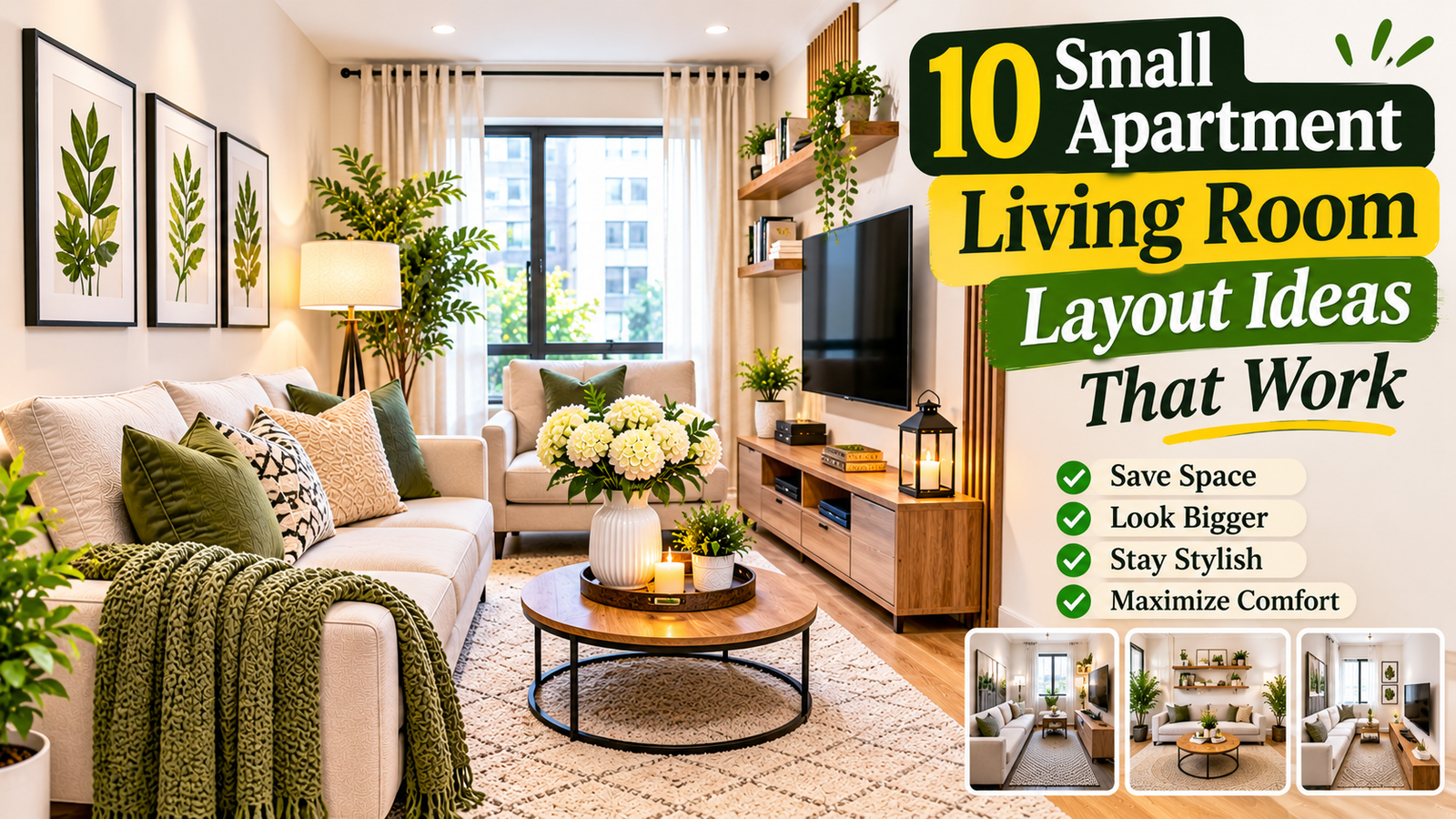
  • 10 Small Apartment Living Room Layout Ideas That Work

    10 Small Apartment Living Room Layout Ideas That Work

    When people ask me why their small living room feels awkward, it’s rarely about the furniture itself. It’s almost always the layout. The same sofa, the same TV, and the same coffee table can feel cramped in one arrangement and surprisingly generous in another. I’ve rearranged more apartment living rooms than I can count, including narrow rectangles, boxy studios, and rooms with a radiator exactly where you’d want the sofa.

    A few principles come up again and again. Here are ten layouts that work, along with when each one makes sense and where it can go wrong.

    1. Measure First, Then Draw It Out

    This is boring advice, and it’s also the most useful. Measure the room, the windows, the doors, and the swing of each door. Then sketch the layout on paper or use painter’s tape on the floor to mark where furniture will sit. Tape is wonderful because you can walk around it for a day and see whether it feels right. Many people skip this step and discover too late that a sofa blocks a vent or that the coffee table leaves only 12 inches to walk.

    2. Float the Sofa Away From the Wall

    It sounds counterintuitive, but pushing every piece against the walls often makes a room feel smaller and more like a waiting area. Pulling the sofa even six to eight inches off the wall creates a sense of depth. In a slightly larger small room, floating the sofa to divide the space, say between the living area and a dining nook, works especially well. Put a slim console behind it for storage or a lamp.

    3. The Classic L-Shape Arrangement

    An apartment-sized sofa against the longest wall, with a single armchair angled at one end, is a reliable layout. It keeps the center open and encourages conversation. A small loveseat paired with two armchairs can also form an L if the room is square. The key is to keep traffic paths clear, ideally around 30 inches wide, so no one has to squeeze past furniture.

    4. Build a Layout Around a Window or Focal Point

    If your living room has a good window, a fireplace, or a wall of built-ins, let that decide where the seating faces. People often default to arranging everything around the TV, but a room can feel more interesting when the seating faces a view or a piece of art, with the TV placed to one side. If the TV must be the focal point, mount it on the wall to save floor space and reduce visual weight.

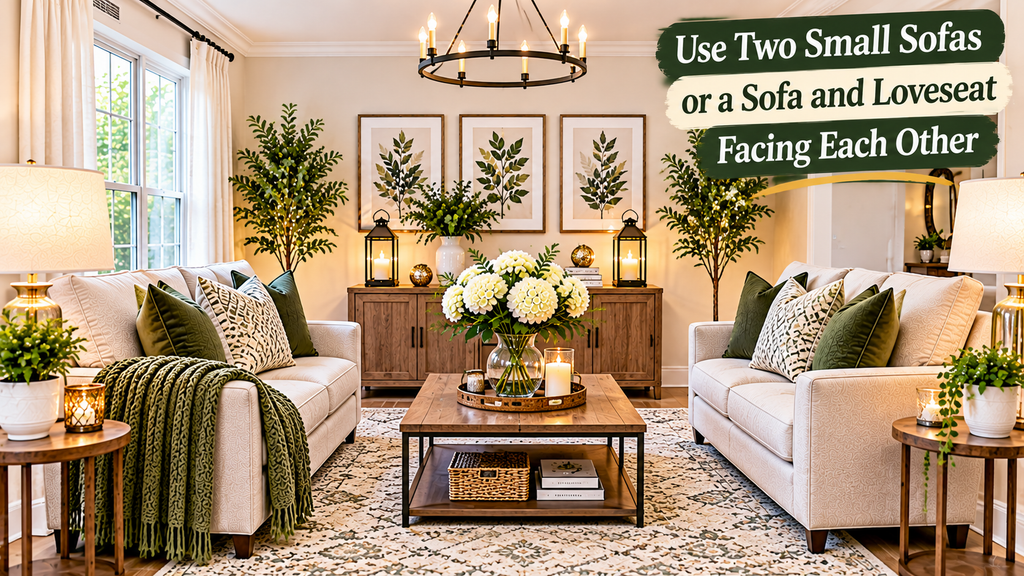
    5. Use Two Small Sofas or a Sofa and Loveseat Facing Each Other

    This works well in a long, narrow room. Two compact seats facing each other with a small table between them create a conversational zone without blocking the walkway. It feels a bit like a café, and it’s much friendlier than a single row of seating pointed at a screen. It does use more floor area, so make sure you still have room to pass along one side.

    6. Create Zones in an Open-Plan Studio

    In a studio or open layout, you don’t have a separate living room, so you need to define one. An area rug is your best tool, ideally large enough that the front legs of the sofa sit on it. Add a bookcase, a low shelf, or the back of the sofa as a subtle divider between sleeping, eating, and relaxing areas. Avoid tall, heavy dividers that block light. Open shelving lets light through and keeps the whole space feeling connected.

    7. Choose Furniture That Works Double Duty

    Sometimes layout problems are really furniture problems. A storage ottoman can serve as seating, a coffee table, and a place to hide blankets. A sleeper sofa takes care of overnight guests, although I’ll be honest, many of them are uncomfortable, so test before you buy. Nesting tables are another good solution because you can spread them out when needed and tuck them away afterward. A drop-leaf table works as a desk by day and a dining table by night.

    8. Go Vertical to Free Up Floor Space

    If the floor plan is tight, use the walls. Tall, narrow bookcases, wall-mounted shelves, and floating media units keep surfaces clear and draw the eye upward. Hanging curtains close to the ceiling and using a tall mirror also help the room feel taller. Just don’t overload the walls. A few well-placed pieces look intentional, while a crowd of shelves can feel heavy.

    9. Consider a Corner Layout Carefully

    Corner sectionals are tempting in small rooms because they use dead space, but they take up more floor area than people realize. A compact L-shaped sofa can work in a square room, particularly if you need seating for several people. In a narrow room, though, it can dominate the layout and limit movement. If you choose one, keep other furniture minimal and use a round coffee table to soften the traffic flow.

    10. Leave Breathing Room and Walking Space

    This is the principle that ties everything together. A layout that technically fits all your furniture isn’t necessarily good. Leave about 30 inches for main walkways and around 14 to 18 inches between the sofa and coffee table. Keep a clear path from the door to wherever you naturally want to go. If you can only manage one change, remove one piece of furniture and see how the room feels. More often than not, it improves.

    A Few Honest Caveats

    No layout works for everyone. If you work from home, you might need a small desk zone that cuts into your seating area. If you have pets or kids, open floor space matters more than a perfectly styled arrangement. And in rentals, you may be limited by fixed features like radiators, awkward doorways, or a lack of outlets.

    Extension cords and floor lamps can help, but they shouldn’t create a tripping hazard. It’s also worth remembering that a layout doesn’t have to be permanent. I often suggest trying an arrangement for a couple of weeks before deciding. Your habits will tell you quickly whether it works.

    Final Thoughts

    A good small apartment living room layout is less about squeezing everything in and more about editing. Measure carefully, keep traffic paths open, choose compact and multi-purpose furniture, and let one focal point guide the arrangement. Start with the biggest piece, usually the sofa, and build outward from there. Small adjustments, like angling a chair or pulling a sofa off the wall, can make a surprisingly big difference.

    FAQs

    Q: What is the best layout for a small living room?
    A: An L-shaped arrangement with a compact sofa and one or two chairs usually works well. It keeps the center open and supports conversation.

    Q: Should I put my sofa against the wall in a small room?
    A: It’s fine, but floating it a few inches away or using it to define a zone can make the room feel larger and more intentional.

    Q: How much space should be between furniture?
    A: Aim for about 30 inches for main walkways and 14 to 18 inches between the sofa and the coffee table.

    Q: How do I arrange furniture in a studio apartment?
    A: Use rugs and low shelving to define zones, and choose multi-purpose pieces like storage ottomans and drop-leaf tables.

    Q: Is a sectional too big for a small apartment?
    A: Sometimes. A compact L-shaped sofa can work in a square room, but in a narrow space, a loveseat and chair are usually the safer choice.

  • 12 Modern Farmhouse Living Room Decorating Ideas

    12 Modern Farmhouse Living Room Decorating Ideas

    Modern farmhouse has been around long enough to have been loved, overdone, mocked, and quietly rediscovered. You probably remember the peak years: shiplap everywhere, “Live Laugh Love” signs, and barn doors on rooms that never needed them. The good news is that the style has matured. Today’s best farmhouse living rooms feel lighter, more edited, and much more livable.

    They borrow the warmth of a country home and pair it with clean lines and a bit of restraint. I’ve seen this style work beautifully in suburban new builds, city apartments, and actual old farmhouses. The common thread is balance: rustic character on one side, modern simplicity on the other. Here are twelve ideas that get that balance right.

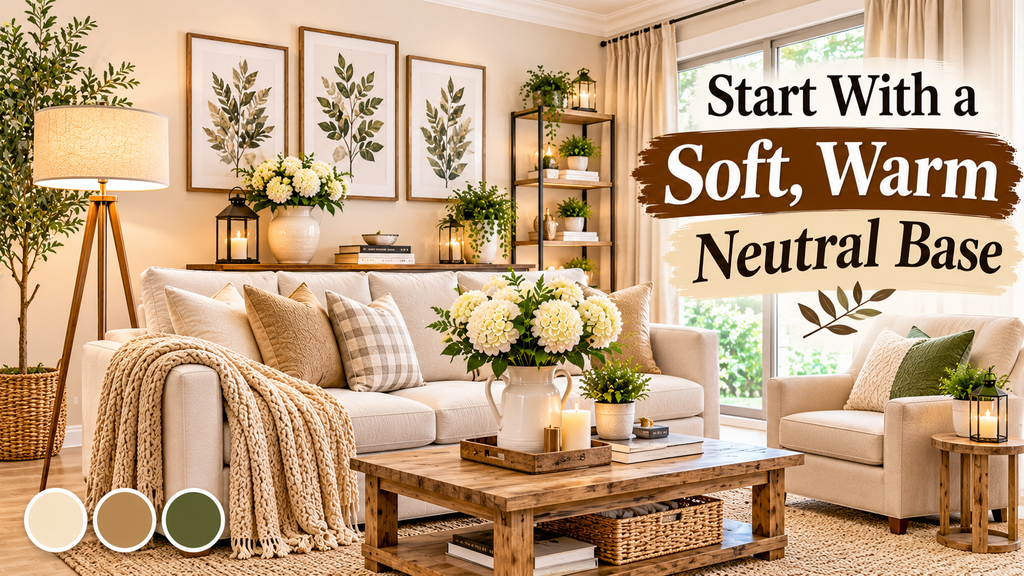
    1. Start With a Soft, Warm Neutral Base

    Creamy whites, warm greige, and soft putty tones are the foundation. They let wood and texture stand out without feeling heavy. If you want a little more depth, try a muted sage or a dusty blue on one wall or on built-ins. Pure stark white tends to feel cold here, so test a few warm whites in your own light before you commit.

    2. Use Wood Tones With Purpose

    Wood is the heart of farmhouse style, but too much of one tone looks like a furniture showroom. Mix finishes: a reclaimed wood coffee table a lighter oak shelf, maybe a darker beam or mantel. Keep the grain visible and the finish matte or satin. Glossy, heavily distressed pieces can look manufactured rather than collected.

    3. Choose a Comfortable, Slightly Relaxed Sofa

    A deep sofa in a washable linen blend or performance fabric fits the lived-in feel. Slipcovers are a classic farmhouse solution, especially for households with kids or pets, since you can wash them. Aim for a relaxed but tailored shape rather than a sloppy, shapeless one.

    4. Add Shiplap or Paneling, Carefully

    Shiplap isn’t dead, but it works best as an accent. Consider one feature wall, a paneled fireplace surround, or half-height wainscoting. Painted in the same color as the wall, it adds subtle texture without screaming “trend.” In a rental, peel-and-stick versions can work, though they rarely match the look of real boards up close.

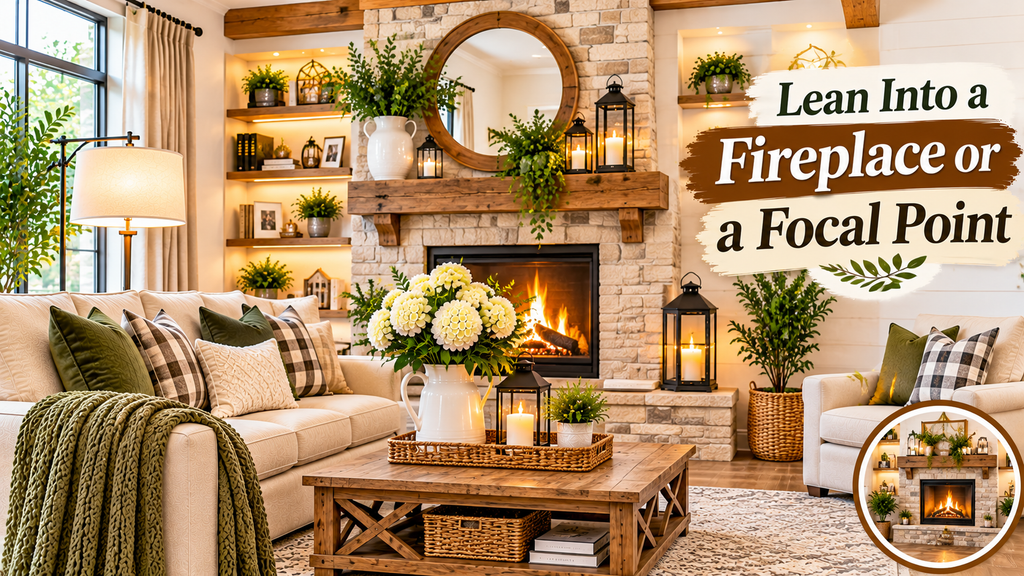
    5. Lean Into a Fireplace or a Focal Point

    A farmhouse living room feels best when it gathers around something. A stone or brick fireplace, a simple wood mantel, or even an electric insert with a plaster surround gives the eye a place to land. Style the mantel loosely with a mirror, a few candlesticks, and a branch or two. Avoid cluttering it with too many small objects.

    6. Layer in Natural Textures

    Think jute rugs, wool throws, woven baskets, linen cushions, and leather accents. A chunky knit blanket draped over a chair or a sheepskin on the arm of a bench adds that cozy, lived-in quality. Keep colors within a tight range so the texture feels rich, not busy.

    7. Pick Lighting With Character

    Lighting is where modern farmhouse earns its “modern.” Look for matte black, aged brass, or iron fixtures with simple shapes, such as a wagon-wheel-inspired chandelier in a cleaner form, a pair of barn-style sconces, or woven pendant shades. Warm bulbs around 2700K make everything feel inviting. Skip anything that looks overly themed.

    8. Mix Vintage Finds With New Pieces

    The most convincing farmhouse rooms contain things with history: an old wooden bench, a dough bowl, an enamel pitcher, a vintage quilt on a ladder. Flea markets, estate sales, and secondhand shops are better sources than big-box “rustic” aisles. A room full of mass-produced distressed decor tends to feel flat, whereas a few real old pieces give it soul.

    9. Keep Window Treatments Light and Simple

    Natural linen or cotton curtains in white or oatmeal, hung on a plain black or wooden rod, are perfect. Woven shades or bamboo blinds work nicely too, especially layered under curtains. The goal is to let in daylight and show off the view rather than hide it.
    10. Bring the Outdoors In

    Fresh greenery is practically part of the style. A large potted fern, a fiddle leaf fig, olive branches in a stoneware pitcher, or a bowl of seasonal produce all fit. Dried flowers like pampas or lavender last longer and add soft texture. If you don’t have a green thumb, start with a pothos or snake plant, which forgive a lot.

    11. Choose Art and Accessories With Restraint

    Instead of word signs, try landscape paintings, botanical prints, black-and-white photography, or a vintage mirror. Frame them in simple wood or black. Ceramic vases, wooden bowls, and stacks of books create relaxed vignettes. Aim for fewer, better objects and leave some open space.

    12. Add a Cozy Reading or Gathering Nook

    A farmhouse living room is built for people. An armchair with a throw and a side table, a window seat with cushions, or a bench near the fireplace invites you to sit. This is the detail that turns a styled room into a lived-in one, and it’s often the part guests remember most.

    Things to Keep in Mind

    Modern farmhouse can go wrong quickly. Too many matching “rustic” accessories can feel like a theme restaurant, and too much white can feel sterile. If you have pets or young children, choose washable fabrics, sealed wood surfaces, and rugs that hide dirt. If you rent, focus on textiles, lighting, and vintage furniture rather than permanent changes like paneling. And remember that authenticity matters: one handmade or secondhand piece will do more for the room’s character than a dozen trendy accessories.

    Final Thoughts

    A modern farmhouse living room should feel calm, warm, and unpretentious. Start with a soft color palette, a comfortable sofa, and good lighting, then layer in wood, texture, and a few meaningful antiques over time. Don’t rush it. The best farmhouse rooms look collected rather than purchased in a single weekend.

    FAQs

    Q: What defines a modern farmhouse living room?
    A: It blends rustic elements like wood, linen, and vintage finds with clean lines, neutral colors, and simple, uncluttered styling.

    Q: What colors work best for modern farmhouse style?
    A: Warm whites, creamy neutrals, soft greige, muted greens, and dusty blues, often with black or iron accents.

    Q: Is shiplap still in style?
    A: Yes, when used sparingly. An accent wall or fireplace surround looks fresher than covering every wall.

    Q: How can I get the farmhouse look on a budget?
    A: Shop secondhand, focus on textiles and lighting, and use paint to make the biggest visual impact.

    Q: Can modern farmhouse work in a small living room?
    A: Absolutely. Keep colors light, furniture scaled down, and decor minimal so the room feels cozy rather than crowded.

  • 15 Elegant Living Room Decor Ideas for Apartments

    15 Elegant Living Room Decor Ideas for Apartments

    Elegance has a reputation problem. People hear the word and picture marble floors, crystal chandeliers, and a sofa nobody is allowed to sit on. In an apartment, that image is not just unrealistic; it’s unhelpful. Real elegance in a rental or a compact flat comes from proportion, restraint, and a few well-chosen pieces that look like they belong together.

    I’ve worked through enough apartment layouts, including narrow galley-style living rooms and awkward open-plan boxes, to know that the leap from fine to polished rarely requires a big budget. It requires decisions. Here are fifteen that make the biggest difference.

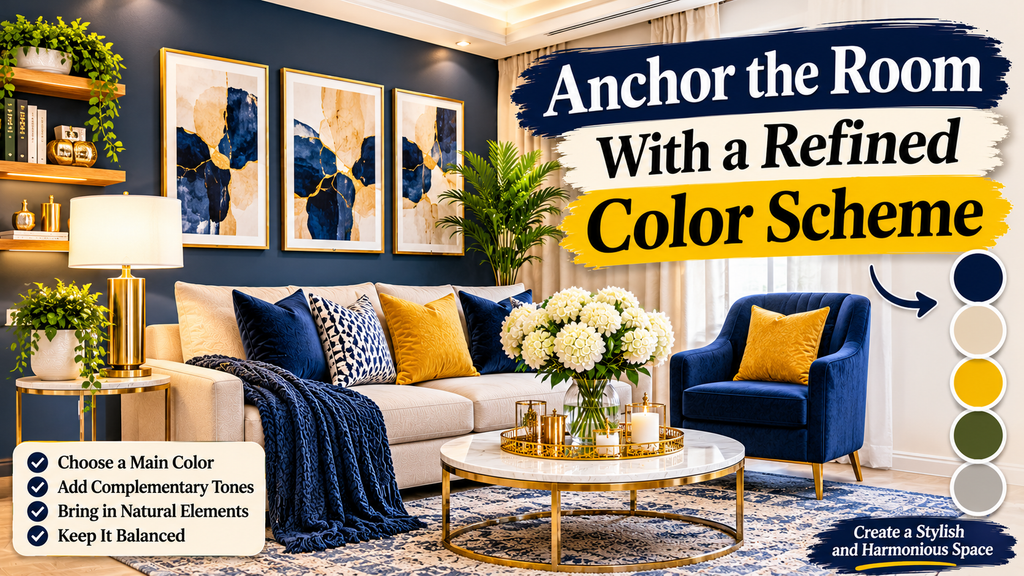
    1. Anchor the Room With a Refined Color Scheme

    Pick a base of two or three tones and stay loyal to them. Ivory, warm gray, and deep navy make a classic trio. Soft sage with cream and brass works too. When the palette is controlled, even inexpensive pieces look intentional. Test paint or fabric samples in your own light before committing, since north-facing apartments can turn cool whites gray.

    2. Choose a Sofa With a Tailored Profile

    A sofa with clean lines, a modest arm, and slightly tapered legs reads as elegant even in a modest fabric. Avoid oversized, puffy cushions that swallow a small room. If you can, go for a neutral upholstery in linen blend or performance velvet, which looks rich and handles daily life better than it appears to.

    3. Hang Curtains Like You Mean It

    This is the cheapest upgrade I know. Mount the rod near the ceiling, use panels wide enough to look full when closed, and let them just touch the floor. Lined curtains in linen, cotton, or a soft velvet add instant polish. Renters can use tension rods or adhesive hooks designed for lighter loads, though check weight limits first.

    4. Layer Lighting for Evening Glow

    Overhead lights flatten everything. Add a floor lamp beside the sofa, a table lamp on a console, and maybe a plug-in sconce with a cord cover. Use warm bulbs around 2700K and put at least one lamp on a dimmer. Candlelight helps too, in moderation.

    5. Use a Large, Quality Rug

    A rug sets the tone of the room. Choose one big enough that the front legs of your furniture sit on it. Wool in a subtle pattern such as a muted Persian-inspired design or a tonal geometric brings warmth and sophistication. Skip thin, shiny synthetics, which tend to look cheap and slide around.

    6. Add a Statement Mirror

    A large mirror, ideally with a slim brass or black frame, makes an apartment feel brighter and deeper. Place it across from a window or beside a lamp. Arched mirrors lean elegant without trying too hard. I’d avoid putting it where it reflects clutter or a bare wall.

    7. Style a Console Table or Sideboard

    Even a narrow console behind the sofa or near the entrance gives you a place to display a lamp, a stack of art books, and a small vase. Keep the arrangement layered: tall item, medium item, small item. It’s the sort of vignette that makes a space feel finished.

    8. Mix Metals, but Sparingly

    Brass, aged bronze, and matte black can coexist if you limit yourself to two finishes. Repeat each finish at least twice so it feels planned. A brass lamp a black picture frame, and another brass accent on a tray will read as cohesive rather than random.

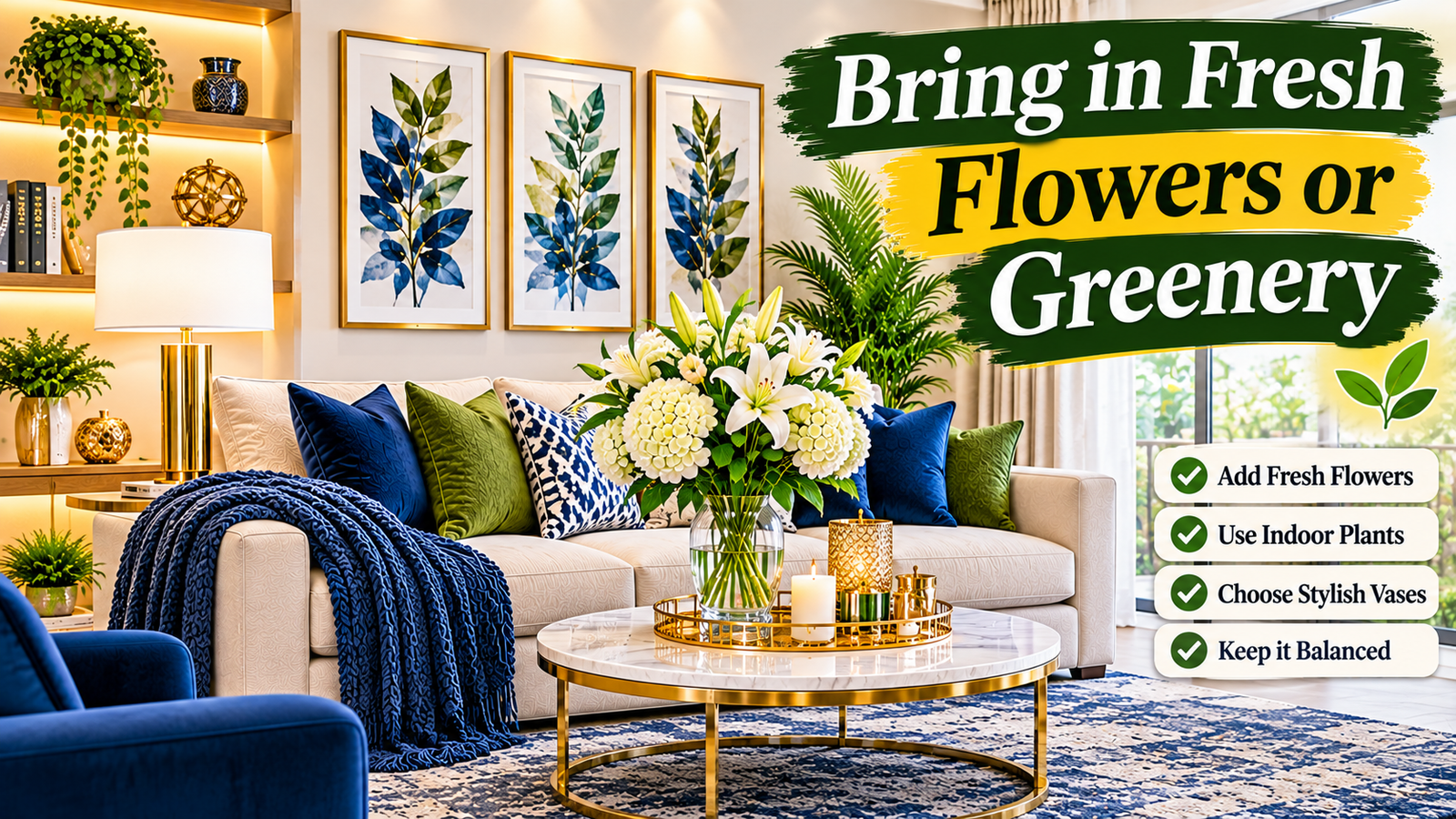
    9. Bring in Fresh Flowers or Greenery

    A bunch of tulips, a branch of eucalyptus, or a single large plant adds life that no object can replicate. You don’t need a florist budget. Grocery store stems in a nice vase look surprisingly refined. Faux greenery works if you choose good quality stems and dust them regularly.

    10. Choose Art That Fits the Scale

    A common mistake is hanging small art too high and too far apart. Center pieces at roughly eye level, around 57 inches from the floor, and group smaller frames tightly. One oversized print is often more elegant than a busy gallery wall in a small apartment. Prints, photography, and framed fabric all work, and you can use removable strips in rentals.

    11. Layer Textures for Quiet Luxury

    Velvet cushions, a cashmere-feel throw, a silk-blend lampshade, a linen drape. When texture is varied, but colors are limited, a room looks expensive without shouting about it. Stay with natural materials where possible, and avoid too many glossy synthetics that fight each other.

    12. Use Furniture That Shows Some Leg

    Pieces on slim legs let light and floor show underneath, which makes a compact space feel airier. A glass or marble-topped coffee table, a slender accent chair, or a leggy console can add sophistication without bulk. Round tables also help in tight layouts, since there are no corners to bump into.

    13. Hide the Practical Stuff

    Elegant rooms rarely show cords, remotes, or stacks of mail. Use baskets, closed cabinets, or a storage ottoman. If your TV dominates the room, consider a frame-style cover or at least keep the area around it simple. A tidy edit matters more than any single decor piece.

    14. Add Architectural Interest Without Renovating

    If your apartment is bland, borrow detail. Peel-and-stick picture frame molding, a removable paneled wall treatment, or a tall plant in the corner can give some visual structure. Always check your lease first, and test any adhesive on a small hidden patch.

    15. Include Something Personal and Imperfect

    A vintage vase from a flea market, a framed sketch from a trip, an inherited side table. Elegance isn’t perfection. A room made entirely of new, matching pieces tends to feel like a showroom, while a few meaningful items give it character and warmth.

    What to Keep in Mind

    Not every idea suits every apartment. If you’re renting, focus on lighting, textiles, rugs, and removable art rather than permanent changes. If you have pets or small children, choose washable or performance fabrics and skip delicate silk or pale velvet. And don’t feel pressured to do everything at once. A single well-styled corner often makes the whole room feel more elevated than rushed purchases ever will.

    Final Thoughts

    An elegant apartment living room comes down to a few steady principles: restrained color, good proportions, soft layered light, and details that feel collected rather than bought in one afternoon. Begin with curtains, a proper rug, and better lighting. Those three changes alone can shift the mood of the whole room. Then add the rest over time, one piece at a time.

    FAQs

    Q: How do I make a small apartment living room look elegant?
    A: Use a limited color palette, hang curtains high, add layered lighting, and choose furniture with slim legs and clean lines.

    Q: What colors look elegant in a living room?
    A: Ivory, warm gray, navy, deep green, and soft taupe are classic choices, especially when paired with brass or black accents.

    Q: Can renters create an elegant living room?
    A: Yes. Rugs, lamps, curtains, mirrors, and removable art make a big impact without altering the walls.

    Q: What is the easiest upgrade for an elegant look?
    A: Curtains hung near the ceiling and a larger rug usually give the biggest visual improvement for the cost.

    Q: How many decor items should I display?
    A: Keep surfaces edited. Two or three well-chosen objects per surface look more refined than a crowded arrangement.