
A friend once walked into my living room and asked what I’d paid the designer. I hadn’t hired one. The sofa was a mid-range model, the rug came from an outlet, and the coffee table was a secondhand find I’d refinished on a weekend. What she was reacting to had little to do with price tags. It was the way everything agreed with everything else.
That’s the real secret of luxury-looking homes. They feel expensive because of restraint, quality in the right places, warm light, and details that look considered. All of that is available on a modest budget. Here are fifteen ways to get there.
1. Stick to a Cohesive Palette
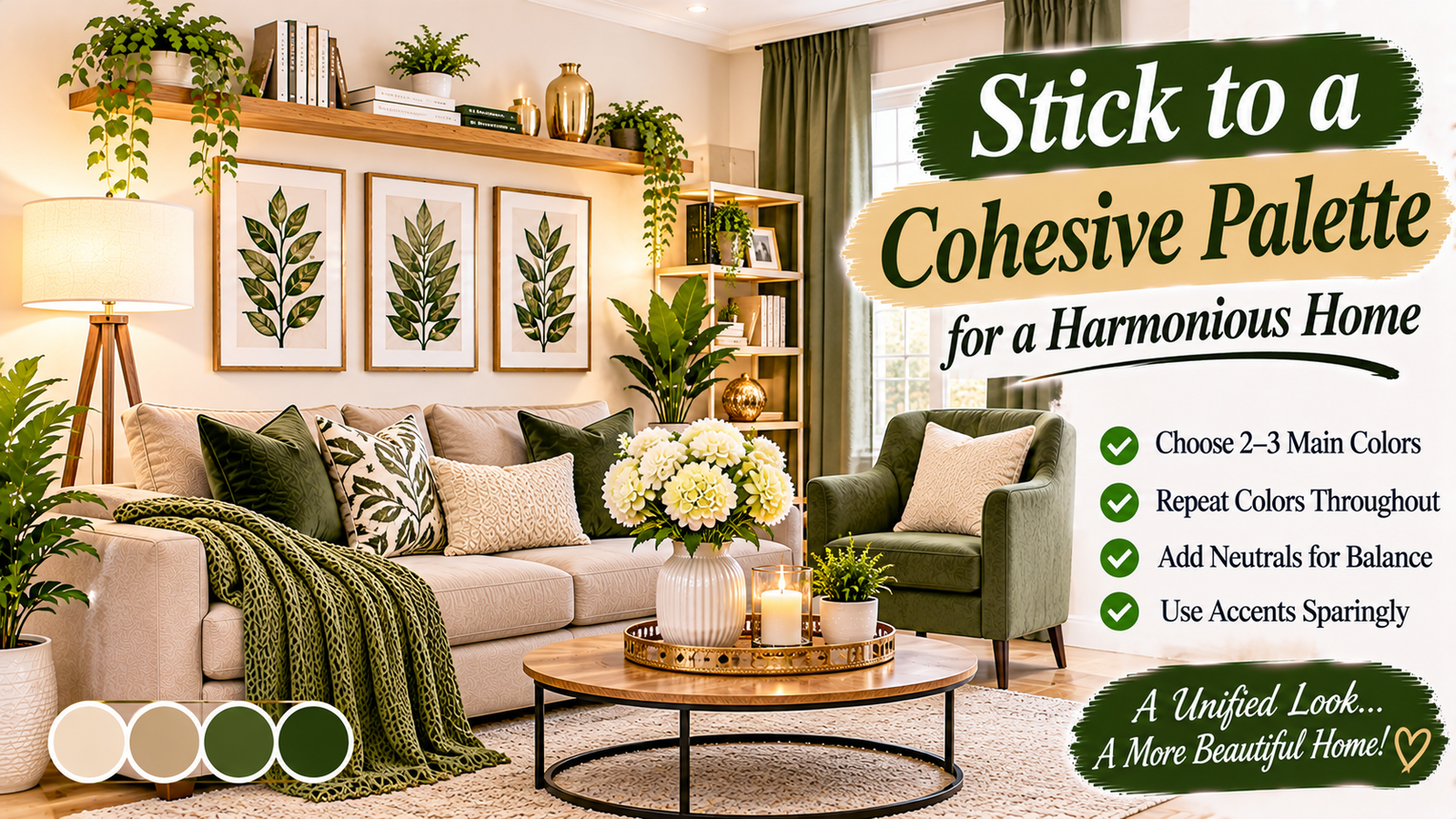
Rooms that look costly rarely use more than three main colors. Pick a base, an accent, and a metal finish, then repeat them throughout the home. Warm whites, soft taupe, deep green, and charcoal are reliable. A limited palette makes inexpensive pieces look like they belong together, which is half of what “designer” means.
2. Fix the Lighting First
Harsh overhead lighting is the quickest way to make a room look cheap. Layer in table lamps, a floor lamp, and perhaps a plug-in sconce, all with warm bulbs around 2700K. Add a dimmer where you can. Lamps with linen or paper shades, or a simple ceramic base, look far more upscale than their price suggests.
3. Hang Curtains Like a Designer
Mount the rod near the ceiling, extend it past the window frame, and use panels full enough to look generous when closed. Let them just skim the floor. Lined linen-look or cotton curtains from budget retailers look polished this way. The same curtains hung low and narrow look unfinished, so placement matters more than the fabric’s price.
4. Upgrade Your Hardware
Cabinet pulls, door handles, and drawer knobs are the jewelry of a home. Brushed brass, matte black, or aged bronze in a heavier weight reads as quality. Choose pieces that feel solid in the hand. Measure the existing hole spacing before ordering so you can swap them without drilling.
5. Choose a Large, Quality Rug
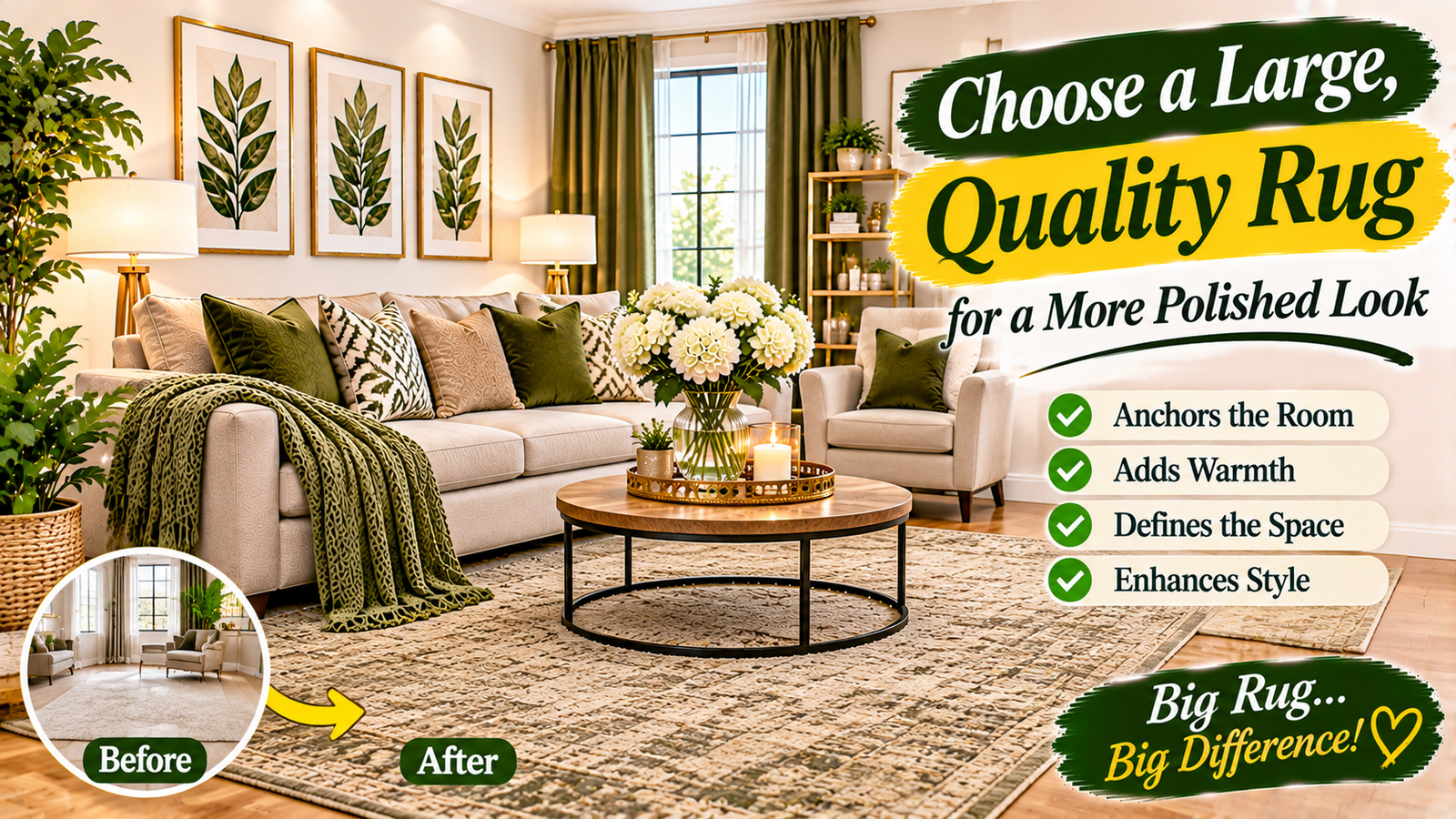
A rug that’s too small is a telltale sign of a budget room. Go bigger than feels natural, so at least the front legs of your furniture sit on it. Wool or wool-blend rugs in subtle patterns look rich, and outlets, clearance sales, and secondhand listings often have good ones. Use a rug pad for comfort and to keep it in place.
6. Mix Textures Instead of Colors
Luxury is tactile. Combine velvet, linen, bouclé, wool, leather, and a touch of metal or stone. Keep colors close together and let texture add richness. A velvet cushion on a linen sofa, or a chunky knit throw over a leather chair, looks expensive without adding a single bold hue.
7. Add One Statement Piece
Rather than spreading your budget thinly, put it into a single focal point: a striking mirror, a sculptural lamp, a large piece of art, or a handsome chandelier. The rest of the room can stay quiet. One strong piece reads as intentional, while ten medium ones read as clutter.
8. Shop Secondhand for Solid Pieces
Estate sales, thrift shops, and online marketplaces are the best sources for well-built furniture with character. Solid wood dressers, brass lamps, and vintage mirrors often outlast new items at a fraction of the price. Check joints and drawers, bring a tape measure, and be ready to refinish. A new coat of paint or fresh hardware can make a find look custom.
9. Use Mirrors Strategically
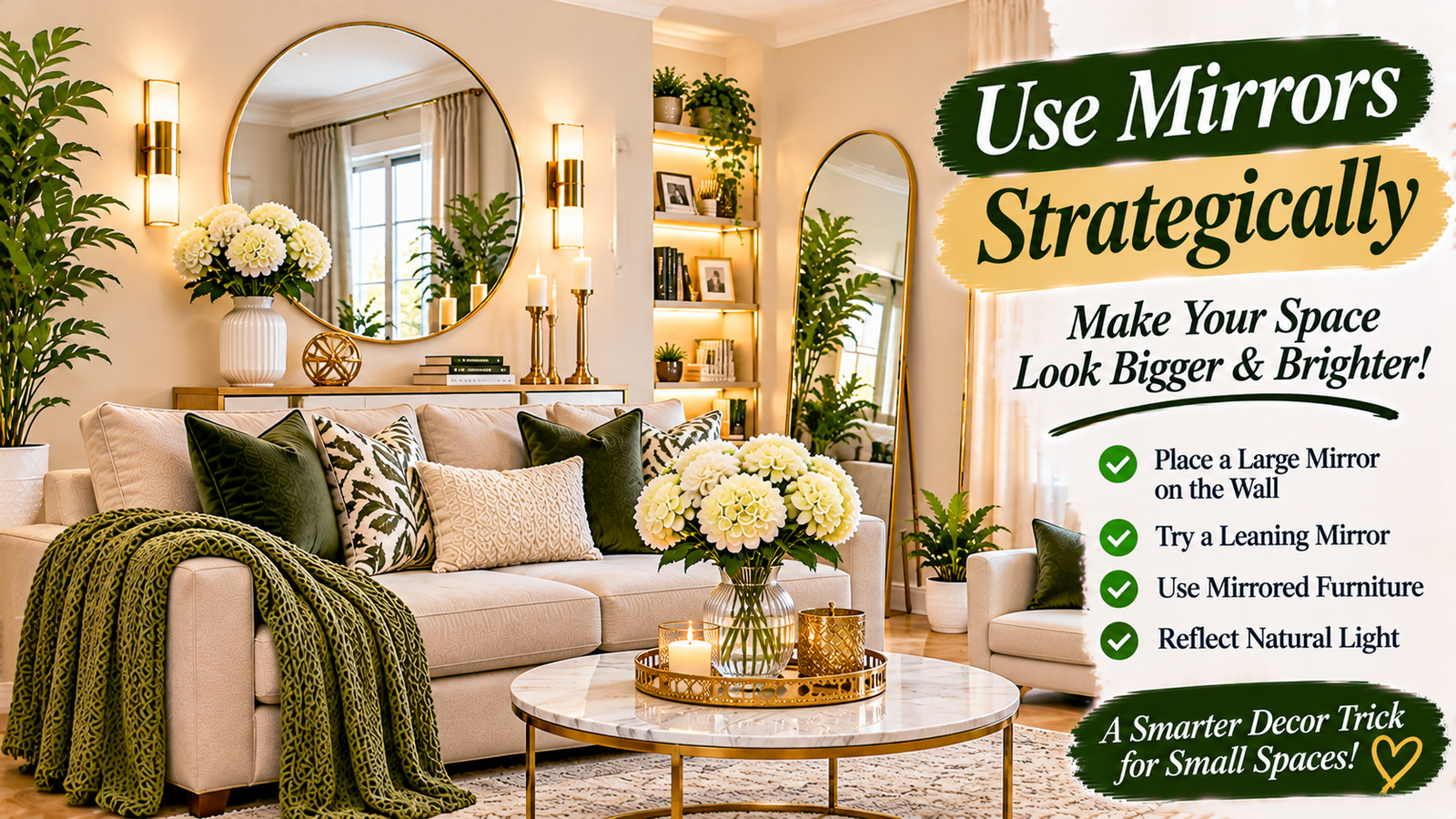
A large mirror opposite a window bounces light and adds depth. Arched or slim-framed mirrors feel especially elegant. If you find an ornate one secondhand, consider painting the frame a matte neutral or black for a more modern look. Place mirrors where they reflect something pleasant, not clutter.
10. Frame Art Properly
Good framing elevates even inexpensive prints. Choose simple wood or black frames and add a wide white mat, which makes images look gallery-worthy. Print your own photography or download public-domain artwork. Hang pieces at eye level, around 57 inches from the floor to the center, and keep spacing consistent.
11. Style Surfaces With Restraint
A coffee table with a tray, a stack of books, and a small vase looks more luxurious than a crowded one. Group items in odd numbers, vary heights, and leave space around them. Fresh flowers or a leafy branch in a nice vessel is one of the easiest ways to add polish. Even grocery store stems look refined in the right container.
12. Add Panel Molding or Wall Texture
Picture frame molding made from inexpensive wood trim and painted in one color adds architectural interest. It takes patience and careful measuring, but the result looks custom. Peel-and-stick options exist for renters, though they rarely match the real thing up close. Check your lease before attaching anything to walls.
13. Invest in Good Bedding and Towels
Luxury is felt as much as seen. Breathable cotton or linen bedding in crisp white or soft neutrals, plus a couple of thick, matching towels, makes everyday life feel like a hotel. You don’t need top-tier brands. Look for good reviews, solid weights, and washable fabrics, and fold or layer them neatly.
14. Keep Things Clean and Edited
Nothing undermines an expensive look like clutter and dust. Clear surfaces, hide cables, and give everything a place. A tidy home with modest furniture looks richer than a messy one with costly pieces. Spend five minutes each evening resetting the room, and let go of anything that’s broken or tired.
15. Add Fragrance and Soft Sound
Hotels and boutiques use scent for a reason. A good candle, a diffuser, or a simmer pot of citrus and herbs changes how a space feels. Pair it with quiet music, and the home feels considered. Keep fragrances light, and never leave candles unattended.
Where to Spend and Where to Save
Spend on what you touch and see daily: lighting, bedding, a good sofa, and hardware. Save on accessories, art, and accent pieces, which are easy to find secondhand or at discount stores. Beware very cheap items that mimic luxury, such as thin faux marble, flimsy gold-tone finishes, or glossy synthetic fabrics. They tend to look worse up close and wear out quickly.
Be honest about your lifestyle too. A white velvet sofa is a poor choice with young children or pets, and delicate finishes may not survive daily use. Choose performance fabrics and durable materials where it counts. Also, avoid overspending to chase a look. Luxury isn’t a price point; it’s a feeling of care and quality.
If you rent, stick to removable changes: lamps, rugs, curtains, art, and adhesive solutions. Hire professionals for electrical or structural work.
Final Thoughts
A home that looks expensive comes from decisions, not dollars: a cohesive palette, warm lighting, quality where it counts, and a calm, edited space. Start with lighting, curtains, and a good rug, then add texture and a single standout piece. Build slowly, shop secondhand, and trust your eye. The results often surprise people, including the person who made them.
FAQs
Q: How can I make my home look expensive on a budget?
A: Use a cohesive palette, warm lighting, high-hung curtains, a large rug, and upgraded hardware, and keep the space tidy.
Q: What colors look the most luxurious?
A: Warm whites, soft taupe, charcoal, deep green, navy, and muted metallics are classic choices.
Q: Is secondhand furniture a good way to get a luxury look?
A: Yes. Solid wood and vintage pieces are often better made than new budget options and have more character.
Q: What’s the easiest upgrade that looks expensive?
A: Swapping lighting and hanging curtains properly give the biggest visual improvement for the lowest cost.
Q: Can renters achieve a luxury look?
A: Yes. Focus on lamps, rugs, curtains, bedding, mirrors, and removable art instead of permanent changes.
Leave a Reply