
Dear Zain,
You asked me last Sunday, on the phone, in that slightly panicked voice you get before a new term, whether the seniors were right that ChatGPT does your notes for you now, and whether using it would get you in trouble. I said I would write it down properly instead of giving you a rushed answer, because the rushed answer is how people end up doing this wrong. So here it is. Not a manual. A week of mine, more or less, with the parts I got wrong left in, because the wrong parts are the useful ones.
Sunday night, first. Biology chapter. Cell respiration — you know the diagrams, beans with bits inside, all of them looking the same after ten minutes. Quiz on Tuesday. And what did I do? Did I read it? No. Of course not. I typed “summarise cell respiration simply” — typed it fast, like speed would make it less lazy — and out came this smooth, tidy thing. Pasted it. Bold heading on top. As if bold made it mine. It didn’t. Obviously it didn’t.
Monday morning. Bus. I read my beautiful summary twice. Felt ready. Felt, honestly, a bit smug. Then class. Teacher, offhand, not even a test question, just: why does anaerobic respiration give less energy? And my mouth opened. Nothing. Not one answer that wasn’t a sentence from the summary. And the sentence? Gone. Just — gone, the second I needed it. Bilal leaned over. Whispered: “You look like someone deleted your brain.” Yeah. Accurate. Painfully accurate.
That bus ride home was the actual lesson, not the chapter. Reading someone else’s summary, even a machine’s summary, is not studying. More like watching someone else swim and calling it practice. I knew every stroke by name. Put me in the water, though, and I would have sunk on the spot — all that watching had taught my eyes, not my arms. So that same Monday night, after everyone else had gone to sleep and the house finally went quiet, I cleared a corner of the kitchen table, propped the chapter up against a cereal box so it would stay open, left my phone charging in the other room, boiled the kettle twice because the first cup went cold while I was still on page one, and read the whole thing through slowly, underlining as I went. My notes from that read are embarrassing to look at now. Half a page. Abbreviations I invented on the spot. One line that just says “ATP = energy money?? check this” with two question marks, because I was not sure and I wrote down that I was not sure, which turned out to be the smartest thing on the page.
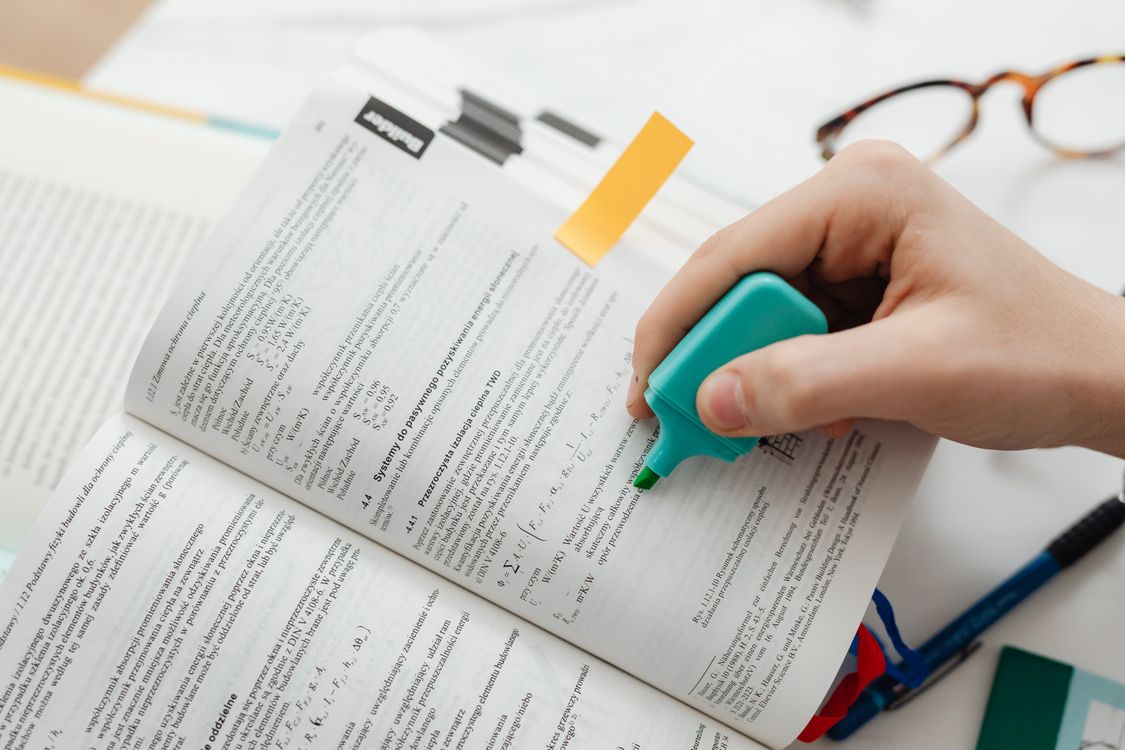
Tuesday. The tool finally earned its place. Only after my own scribble existed — that matters, that order, scribble first, chat second, I keep coming back to it. So. I pasted the rough half-page in. I told it to break the mess into headed sections. Leave my wording and facts alone, even the half-wrong bits. A two-line recap after each chunk, nothing more. And add nothing new. Nothing. New. I typed that twice. Twice. Because the first time — the first time! — it slipped in this confident extra detail about a stage of respiration. Sounded right. Wasn’t in my notes at all. Not one word of it was mine. I caught it only because I checked. Line by line. Scribble in one hand, screen in the other. Names. Steps. All of it. Tedious? Yes. Boring? Extremely. But that checking is the job. The whole job, really. Textbook beats chat. Lecture slides beat chat. Every time. And if something in the organised version looks new — cut it. No debate.
Also Tuesday, a small thing that saved my Wednesday: the organised version came back longer than my original notes, which is backwards, so I told it to halve it, exam points only. Short notes get opened again. Long notes get admired once and then abandoned, usually by Thursday, usually by everyone, including me.
Wednesday. Apology in advance — I am about to sound like a teacher. Sorry. Not sorry. Flashcards. Twenty of them. Made them from the cleaned-up notes. Question one side. Short answer the other. Definitions. Differences. Causes. Not trivia — trivia is a trap, it feels like work and teaches nothing. And then? Roof. Evening. Washing drying around me. Saying each answer out loud before flipping. Out loud. Not in my head. In my head, nodding feels like knowing — remember Monday? I “knew” everything on Monday. Hah. Neighbour’s kid stared at me. Fair. I was on a roof talking to cards about mitochondria. But the three I got wrong — out loud, properly wrong, no fudging — those three? Those are the three I actually learned that night. Getting them wrong showed me the holes. Funny how that works.
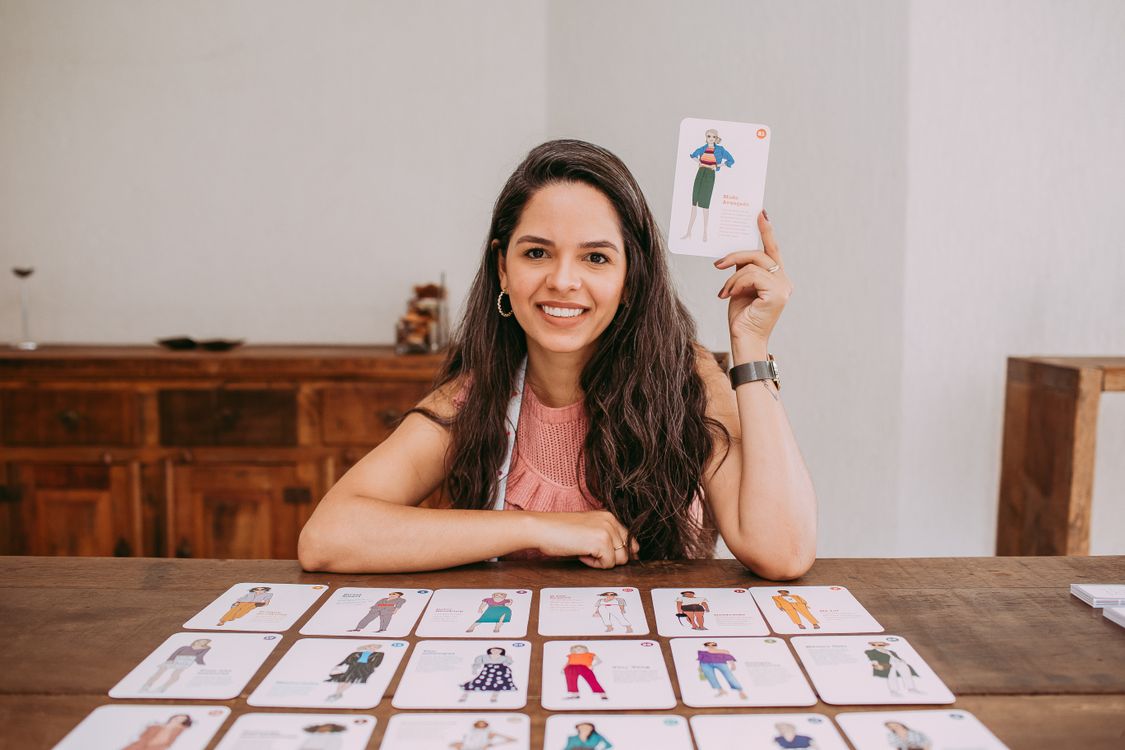
Then the quiz version. Same idea, lazier evening version. Ask the chat to quiz me. One question. Wait for my answer. Then the next. Tell me why when I’m wrong. And when it gave me an answer early — it did, twice — I typed, literally typed: “wait, I haven’t answered yet.” Rude? To a machine? Maybe. Worked perfectly, though.
Oh, wait. Skipped something. The explaining bit. Thursday’s chapter — history, causes of the French Revolution — broke me. One paragraph. So dense. Read it four times. Understood it less each time. Less! How does that even happen? Anyway. Pasted just that paragraph in. Asked for plain words. Like I was fifteen. One everyday example. Then — trick, the real one — asked a second time. Not what it was. Why it mattered. Why. Second answer unlocked it. First one hadn’t. Weird. Then I closed the chat. Properly closed it. Not minimised. Closed. Wrote the idea in my own words on the back of an old electricity bill. Nearest paper. That’s all. And if I couldn’t have done that? Then I didn’t get it. Simple test. Then I’d ask about the exact stuck bit. Not the whole topic again. Never the whole topic again — that just drowns you in another fluent wall of text you’ll forget by morning.
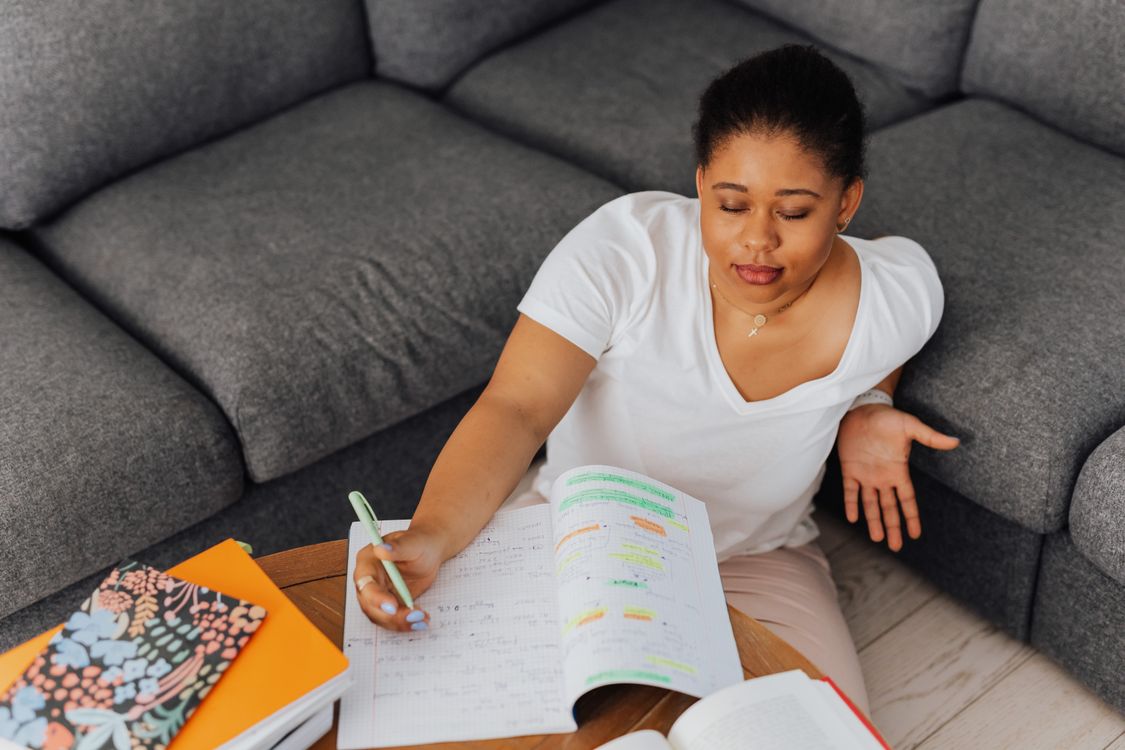
Thursday also gave me the study plan story. Shorter. Sadder. I’d drawn up a perfect week. Hardest subject first. Hour on, break, repeat. Every evening accounted for. Beautiful. Dead by Thursday. Why? Family dinner. Forgotten. Cricket match. Promised. My perfect plan had room for neither. So I abandoned the whole thing. All of it. Instead of adjusting it — just adjusting one evening! — I threw it away. Classic me.
Next week, different. Gave the chat my real list. Real subjects. Two real exam dates. Hours I honestly had. Not wished I had. Honestly had. Asked for a simple week. Hardest first. Short break every hour. And one evening — deliberately — left empty. Not a treat. A buffer. Because something always goes wrong midweek. Always. And the buffer stops one bad day eating the whole plan. Then I moved things around myself. Because a machine plan doesn’t know about your family dinners. Only you do. Only you.
Friday. The checking story. Wish it weren’t true. It is. Physics notes. Motion equations. Chat gave me a formula. Sign flipped. Just one sign. Plus a reference — paper, author, journal, year, everything, extremely real-sounding. Something nagged me. The author’s name. Just… off. Couldn’t say why. So that evening — library catalogue. Looked it up. The paper? Didn’t exist. Not under that name. Not anywhere. Gone. Made up. Whole thing, invented, delivered with total confidence.
That cold feeling. Stomach-drop feeling. That’s why there’s now a little “to check” corner on every page of mine. Every page. Anything that matters for a mark — date, definition, formula, law, number — checked. Book. Slides. Source I trust. Before it goes into final notes. Before. Unsure? Ask a teacher. Ask a classmate. Not wasted time. Studying. Just the unglamorous half of it. The half nobody posts about.
And the rules. Since you asked. And yes, I asked too — wasn’t sure either. Friday, after class. Went up to my teacher. Rehearsed it three times in the corridor. Three times! Then said it: “Miss, is it okay if I use ChatGPT to organise my own notes and quiz myself, but I write everything myself first?” She said yes. Fine. And the line? Whether the thinking happened in my head. That’s it. That’s the line.
So: organising notes you wrote — fine. Getting a concept explained — fine. Flashcards from your own material — fine. Grammar checks — fine. Planning your week — fine. In most colleges, anyway. Handing in machine-written work as yours? Not fine. Copying a summary, pretending you read the chapter? Not fine. Using it in a closed-book exam? Definitely not fine. And not just rules. Deeper than rules. If you can’t explain what you submitted — you haven’t learned it. Whatever mark it gets. Whatever. Rules differ college to college, so unsure? Ask. Ten seconds of awkward. Beats a serious problem later. I mean that. Really mean it.
Saturday, then. The whole thing in miniature. You asked for something you could actually try. I promised no timetable. So — an evening. Not a schedule. An evening. Ten minutes. Chapter. Pen. Chat closed. Rough notes only. Then five minutes. Getting those notes tidied by the chat. Checking the tidy version against your rough one. Boring bit. Important bit. Same bit, somehow. Then ten minutes. Quizzed. One question, then silence until I answered. Me muttering the answers to an empty room. No peeking. Feeling slightly foolish — good, that means it’s working, foolish is the signal. Then five minutes. Writing down what you got wrong. Reading just those bits again. Just those. That’s it. Reading, writing, recall — yours. Tidying and testing — borrowed. First study evening I ever finished feeling like I knew something. Not feeling like I’d produced something. Knew something. Different feeling entirely.
You also asked me — your words, your texts, I kept the messages — four things. Is it cheating? Can it replace the textbook? What if it gives a wrong answer? How do you stop just copying? Okay. One by one. Cheating: not the way I’ve described it here. Organising your own notes, explaining things, quizzing yourself — yes. Submitting its work as yours? Copying instead of reading? That’s cheating. College rules are the final word. Full stop. Textbook: no. Tried it. Briefly. Busy week. Went badly. It explains, it summarises, but it also invents — and it can’t replace the full argument, the examples, the practice problems. Use it next to the book. Not instead of it. Catch yourself opening the chat before the book? Warning sign. Was mine. Wrong answers: check them. That’s the whole answer. Check the important facts — book, slides, never trust one chat answer for exam material, keep the “to check” list. Wrong answer isn’t the disaster. Uncaught one is. Copying: read first. Scribble second. Chat third. Catch yourself copying without thinking — and you will, we all do — close the chat, put the phone face-down, and try explaining the idea to the wall in whatever half-formed words come out first, before you let yourself look at anything again. Feels slower. For about a week, it is slower. Then? Faster than copying ever was. Because you stop relearning the same chapter four times. Four times! No more.
So, Zain. Boring jobs? Give them to it. Tidying. Explaining. Quizzing. Flashcards. Real learning? Keep that. Yours. Read first. Write your own rough mess. Let the machine organise and test. Check everything that matters. Teacher, when the line feels blurry — ask. Try that Saturday-evening shape on your next chapter. Finish it understanding the topic better than when you started? Then you’re doing it right. Only test that matters. Only one.
Write back. Tell me how the first week goes. And — do not. Under any circumstances. Paste a summary into a document and call it revision. You know why now. You really do.
Yours,
Your cousin
Conclusion
ChatGPT, at its best? Helper. For the slow, boring parts. Tidying messy notes. Untangling a dense paragraph. Making flashcards. Asking quiz questions. Understanding? That stays with you. Has to. Read the chapter yourself first. Scribble your own rough notes. Let the tool organise and test you. Check every fact that counts. Keep the honest line clear. Try the thirty-minute shape — ten reading and writing, five organising and checking, ten quizzing out loud, five fixing what you missed — and judge it by one thing only. One thing. Do you finish knowing the topic better than when you began? Yes? Then it worked.
Leave a Reply